I see this as a threat, and perhaps even a step toward ethnic fragmentation. Their conflict may even end up strengthening a regime that ruthlessly killed thousands—possibly tens of thousands—of demonstrators in January.
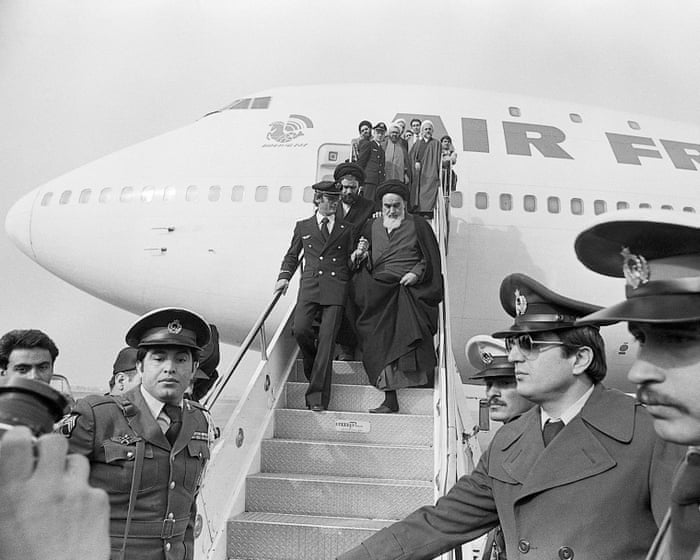
I worry that what we are seeing is not the liberation of Iran or its people, but rather another turn in the cycle of foreign meddling that has troubled Iran since the British secured trade monopolies there in the 19th century. The last shah was restored to his throne in 1953 by a U.S. and U.K.-backed coup that removed the elected prime minister, Mohammad Mossadegh, after he dared to nationalize the Anglo-Iranian Oil Company—known today as BP. Khomeini, in turn, rose to prominence by leading protests in 1963 against American influence in Iran.
Once again, outsiders are trying to shape the future of a nation that deserves better but will likely face worse.
Paul Taylor is a senior visiting fellow at the European Policy Centre.
Frequently Asked Questions
FAQs Witnessing the Iranian Revolution Foreign Interference
BeginnerLevel Questions
1 What was the Iranian Revolution
The Iranian Revolution was a popular uprising that overthrew the monarchy of Shah Mohammad Reza Pahlavi and led to the establishment of the Islamic Republic of Iran under Ayatollah Khomeini It was a complex mix of political social and religious movements
2 What does foreign interference failed mean in this context
It means that during the revolution powerful foreign governmentsprimarily the United States and the Soviet Uniontried to influence the outcome to protect their own interests but they were ultimately unable to control or stop the revolutionary movement that was driven by internal Iranian forces
3 Why is a firsthand account of this event significant
A firsthand account provides a groundlevel human perspective that goes beyond official histories It can capture the atmosphere emotions and complexities that are often lost in political summaries offering unique insight into how such a transformative event unfolded for ordinary people
4 Who were the main groups involved in the revolution
The coalition included a wide range of groups Islamists led by clerics like Khomeini leftist students and guerrillas liberal nationalists merchants from the bazaar and millions of regular citizens from all walks of life who were unhappy with the Shahs rule
Common Questions Context
5 What were the main causes of the revolution
Key causes included widespread resentment against the Shahs autocratic rule political repression by his secret police perceived Westernization that alienated traditional society economic inequality and the powerful mobilizing force of Shia Islamic ideology
6 How did foreign powers try to interfere
The US strongly backed the Shahs regime for decades as a strategic ally As the revolution grew there were attempts to negotiate a moderate transitional government to preserve Western influence The Soviets meanwhile tried to support leftist factions within the revolutionary coalition to gain a foothold
7 Why did their interference fail
The revolutionary momentum fueled by deepseated internal grievances and unified by opposition to the Shah was too powerful The revolutions core demand was national sovereignty and independence from foreign control making any overt foreign support for a faction counterproductive