When I first started visiting Marseille over 20 years ago, hardly anyone would have guessed that France’s struggling second city would turn into one of the top destinations in the world’s most visited country. Back then, the port city was weighed down by negative stereotypes and included some of Europe’s poorest neighborhoods. It seemed unlucky, unloved, and, to many, a place to steer clear of. Tourists passing through Saint-Charles station would hold tight to their bags while waiting for their train to rural Provence or the beaches of the Côte d’Azur.
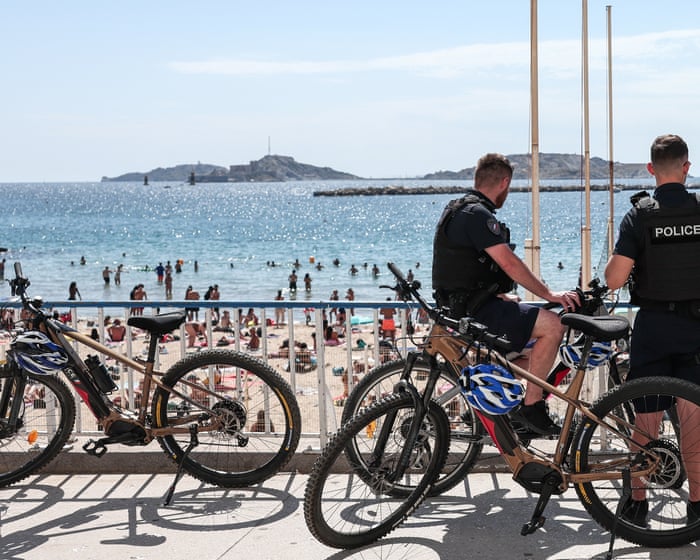
Fast forward two decades, and while poverty and drug-related gang violence still affect parts of Marseille, this rough diamond has been reborn as a trendy getaway. Last month, I watched a local TV channel ask whether Marseille had become France’s tourism capital, after Booking.com reported it had overtaken Paris and Nice as the most searched destination for French users. Eager foreign media coverage—like the New York Times publishing a “36 hours in Marseille” guide in 2019 and again in 2025—has boosted the number of international visitors. From seaside pétanque to vocoder rap and pizza served on aluminum plates, influencers love the golden vibe of this urban riviera and showcase the city’s most photogenic spots. Tourist numbers are expected to hit nearly 7 million this year.
This boom has been a big win for Marseille in many ways: over 20,000 jobs depend on local tourism, which brings in €1.4 billion (about £1.2 billion) each year. But it has also sparked heated discussions about the downsides of overtourism. This summer felt like a turning point. In June, residents of Les Goudes, a rugged fishing village on the city’s edge that’s become an Instagram favorite, took to the streets to protest. One local said they felt so overwhelmed by visitors that it was like being under house arrest.
In Vallons des Auffes, another picturesque tourist hotspot, locals are fighting against plans for a sixth restaurant in its tiny harbor. When swimming was banned at the crowded Plage des Catalans earlier this month due to bacterial contamination, many residents blamed the overcrowding. People in other busy neighborhoods are organizing against what they see as extreme touristification, which has brought unprecedented noise, litter, and higher prices. Anti-Airbnb feelings, often shown in graffiti, have been growing for years; the platform took off here partly because there weren’t enough hotel rooms. Meanwhile, campaigns against cruise ships are gaining support, even though local politicians are split on the issue.
View image in fullscreenMS Allure of the Seas, the largest passenger ship ever built, leaving the port of Marseille. Photograph: Boris Horvat/AFP/Getty ImagesIt’s common to hear locals say they don’t want Marseille to become another Barcelona or Lisbon; the real problem here has been how fast everything changed. When I made the city my home almost a decade ago, tourism was still pretty low-key. The local paper La Provence recently pointed out that it was in summer 2020—when crowds of French visitors flooded Marseille after months of pandemic lockdown—that the city first truly experienced overtourism. As usual, the flood of tourists has brought gentrification, pushing up property prices and stirring local anger.
It feels like we blinked, and suddenly a Marseille summer meant packed beaches, sprawling mega-bars, long lines for public transport, and streets full of tour groups, mobile disco buses, and—the most annoying sign of trouble—neon-lit pedicabs blasting loud music. Friends who grew up here and now have kids of their own complain that typical summer activities for children now require advance bookings and endless queues.
As most locals agree,The issue isn’t tourism itself—the jobs it brings help reduce the city’s high unemployment—but this record-breaking surge needs better management and regulation. Local authorities say they’re focused on sustainability. The city hall, led by a Green-left coalition since 2020, has a deputy mayor dedicated to sustainable tourism. When the new head of Marseille’s tourism office was appointed in June, he stated his goal was to make sure tourism mainly benefits the city’s residents.
Some concrete steps have been taken recently. In 2024, our mayor, Benoît Payan, introduced France’s strictest rules on Airbnb (though enforcing them has been tricky). Daily visitor limits have been set for parts of the Calanques, a coastal park within the city that’s popular with hikers and day-trippers, to protect its fragile environment. There are also efforts to attract more visitors during off-peak seasons and to move away from the predictable Instagram (and PR)-driven tourist spots that lead to overcrowding. However, the political debate over whether to expand or limit cruise-ship facilities is still ongoing.
Critics of city hall argue that the overtourism problem is being tackled with piecemeal measures rather than a strong, unified strategy. Some residents want higher tourist taxes or dual pricing, where visitors pay more for public transport and other services. Others want even tighter restrictions on Airbnb. There are also calls to close the most crowded areas, like Les Goudes, to visitor cars. At the very least, more substantial public awareness campaigns asking tourists not to litter or disturb residential neighborhoods would help.
What we all share is the concern that time is running out, and Marseille could become another European city that seems to serve visitors more than its own people. It’s a delicate balance to strike, but Marseille still has the chance to learn from the mistakes of other cities, curb the worst excesses, and work to preserve what made the city worth visiting in the first place.
Mary Fitzgerald is a journalist and writer based in Marseille.
Frequently Asked Questions
Here is a list of FAQs about Marseilles transformation into an overtourism hotspot written in a natural human tone
General Background
1 Wait I thought Marseille was always a bit rough around the edges What changed
For decades Marseille had a reputation for crime and industrial grit which kept mass tourism away In the 2010s the city invested heavily in cleaning up its image It was named European Capital of Culture in 2013 which funded new museums and regenerated the Old Port Then Instagram influencers discovered the colorful streets of Le Panier and the stunning calanques and the city suddenly became cool Thats when the floodgates opened
2 Why is it being called the new capital of overtourism in France
Its a mix of perfect storm factors the Instagram effect made it a mustsee destination the rise of budget airlines and cruise ships made it super accessible and the citys infrastructure wasnt built for millions of visitors Paris is dealing with its own issues but Marseille is seeing a faster percentage spike in visitors overwhelming a city that is physically smaller and less equipped for the crowds
3 Is it really that bad or are people exaggerating
It depends on when you go In July and August yes it can be genuinely chaotic The famous Calanques national park now requires a reservation system because trails are dangerously overcrowded Locals complain they cant afford to live in the city center anymore because of shortterm rentals However if you go in October its still a lovely manageable city The problem is the concentrated summer crush
The Instagram Effect Tourism
4 What exactly is bringing all these tourists to Marseille
Three main things the Calanques the Le Panier district and the food scene Also the TV show Plus belle la vie and various movies have boosted its profile Its basically a photogenic paradise thats cheaper than the French Riviera