V lednu, když byla slibná kampaň Donalda Trumpa o ukončení války na Ukrajině „do 24 hodin“ ještě v živé paměti, panovala v Moskvě opravdová nervozita ohledně úmyslů amerického prezidenta. Když Trump naznačil, že by mohlo být nutné uvalit na Rusko „vysoké daně, cla a sankce“, prominentní proválečný komentátor v Moskvě napsal: „Je lepší se připravit na nejhorší. Brzy budeme na Bidenovo funkční období vzpomínat s nostalgií jako na oblevu.“
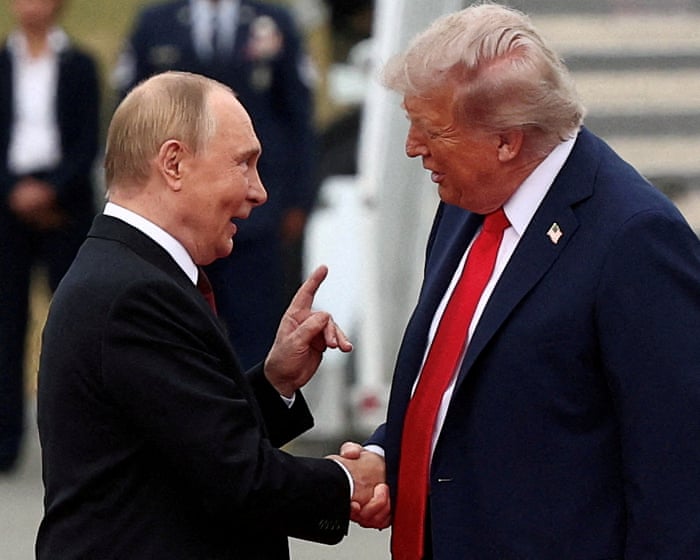
Jak se ukázalo, jak se mýlil. Od té doby americký prezident opakovaně mluví tvrdě, ale nepřijímá žádné smysluplné kroky. V květnu, když Vladimir Putin odmítl 30denní příměří a mírová jednání v Turecku uvízla na mrtvém bodě, slibovaný „drtivý“ sankční balíček USA se nikdy neuskutečnil. Termín 8. srpna, do kterého měl Putin souhlasit s příměřím, se nějak změnil v přivítání s červeným kobercem na Aljašce, kde Trump ocenil ruského vůdce – stíhaného za válečné zločiny – když vystupoval z letadla. „Přísné důsledky“, které Trump hrozil, pokud by jednání na Aljašce nepřinesla mír, nikdy nepřišly.
Povzbuzen tímto Putin pokračoval v dosahování svých válečných cílů na Ukrajině a testoval slabiny Západu. Minulotýdenní vpád ruských dronů na polské území odhalil nedostatky v plánování NATO, když byly drahé stíhačky nasazeny proti levným kamikadze dronům stojícím kolem 10 000 dolarů za kus. Tento krok také signalizoval varování proti jakémukoli budoucímu nasazení evropských vojsk na ukrajinském území. Tato provokace vyžadovala silnou, jednotnou reakci, aby byl na Kreml vyvíjen tlak – něco, co Trump dosud odmítal udělat. Místo toho se americký prezident zdá preferovat šikanování evropských spojenců před konfrontací s Putinem. V prohlášení, které zavánělo nepoctivostí, Trump o víkendu prohlásil, že USA jsou „připraveny“ uvalit na Rusko přísnější sankce, ale pouze za vysoce nepravděpodobných podmínek.
Dychtiv po ekonomických ziscích Washington trvá na tom, aby EU zvýšila dovoz zkapalněného zemního plynu z USA tempem, které analytici považují za nedosažitelné. Mezi další požadavky patří clo EU ve výši 50–100 % na Čínu, klíčového spojence Ruska, a úplné zastavení dovozu ruské ropy všemi členy NATO – včetně Turecka, které není v EU, odmítá sankcionovat Moskvu a získává 57 % své ropy z Ruska.
Optimisté v Bruselu doufají, že Trumpův tlak by mohl přimět Maďarsko a Slovensko – vlády přátelské jeho hnutí MAGA – aby snížily svou závislost na ruské energii. To je však vysoce nepravděpodobné, jak Trump a jeho poradci jistě vědí. EU také nemůže riskovat ekonomickou odvetu ze strany Pekingu, která nedávno donutila samotného Trumpa ustoupit od plnohodnotné obchodní války.
Tento týden během své státní návštěvy přijde řada na Sira Keira Starmera, aby na Trumpa naléhal s požadavkem rozhodných akcí. Ale od neplodných jednání na Aljašce po jeho nejnovější úhybné taktiky s EU Trump stále nachází důvody, proč na Rusko netvrdě zaútočit. Minulotýdenní vpád dronů do Polska představoval zlověstné vyhrocení. Perspektivy Ukrajiny a širší evropská bezpečnost jsou postupně podkopávány prezidentem, který v tomto případě štěká, ale nikdy nekousne.
Máte názor na problémy zmíněné v tomto článku? Pokud chcete zaslat reakci o maximálním rozsahu 300 slov e-mailem k posouzení pro zveřejnění v naší rubrice dopisů, klikněte zde.
Často kladené otázky
Samozřejmě Zde je seznam častých otázek o pohledu Guardianu na strategii Donalda Trumpa vůči Ukrajině, navržený tak, aby byl jasný a užitečný.
Obecné / začátečnické otázky
Otázka: Jaká je hlavní pointa pohledu Guardianu na Trumpovu strategii vůči Ukrajině?
Odpověď: Hlavní pointa je, že zatímco prezident Trump používal silný, tvrdý jazyk na podporu Ukrajiny, jeho skutečné politiky a činy často tuto podporu podkopávaly, což činilo jeho strategii neefektivní a rozporuplnou.
Otázka: Co v tomto kontextu znamená „mluvit tvrdě, ale konat málo“?
Odpověď: Znamená to veřejně vyjadřovat silnou podporu Ukrajině proti ruské agresi, zatímco současně provádět akce (nebo neprovádět akce), které oslabovaly pozici Ukrajiny a posilovaly Rusko.
Otázka: Můžete uvést jednoduchý příklad tohoto rozporu?
Odpověď: Ano. Jasným příkladem je veřejné prodávání protitankových střel Ukrajině, zatímco soukromě (údajně) zadržování vitální vojenské pomoci za účelem nátlaku na Ukrajinu, aby vyšetřovala politického rivala, což přímo pomohlo Rusku.
Otázka: Proč si Guardian myslí, že tento přístup je problém?
Odpověď: Protože vytváří nejistotu mezi americkými spojenci, povzbuzuje protivníky jako Rusko a v konečném důsledku poškozuje schopnost Ukrajiny bránit se tím, že americká podpora působí nespolehlivě a podmíněně domácí politikou.
Pokročilé / podrobné otázky
Otázka: Jak se Trumpova rétorika ohledně Ukrajiny lišila od oficiální politiky jeho administrativy?
Odpověď: Oficiálně politika USA pod Trumpem udržovala podporu Ukrajiny, včetně poskytování smrtící pomoci. Jeho osobní rétorika však často chválila Vladimira Putina, zpochybňovala hodnotu NATO a naznačovala, že anexe Krymu Ruskem by mohla být legitimní, což odporovalo oficiálnímu stanovisku.
Otázka: Jaký byl dopad Trumpova údajného zadržování pomoci Ukrajině?
Odpověď: Kromě domácího impeachmentu to dalo signál Ukrajině i Rusku, že americká bezpečnostní pomoc není zaručena a může být použita jako vyjednávací nástroj pro osobní politický zisk. To poškodilo důvěru a strategické plánování Ukrajiny během aktivního konfliktu.
Otázka: Jak se pohled Guardianu zapadá do širší kritiky Trumpovy zahraniční politiky?
Odpověď: Guardian to rámuje jako prvotřídní příklad Trumpovy transakční zahraniční politiky, kde jsou tradiční aliance a strategické zájmy druhořadé vůči osobním dohodám a domácím politickým výhrám. Tento přístup, argumentují, oslabuje globální postavení a důvěryhodnost Ameriky.