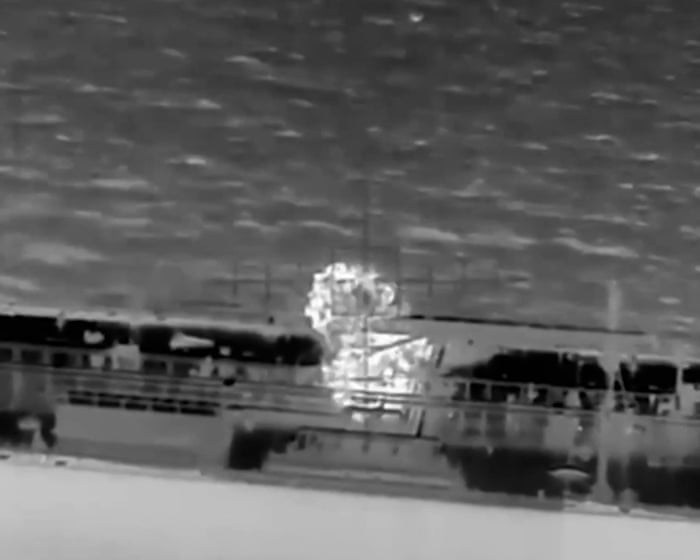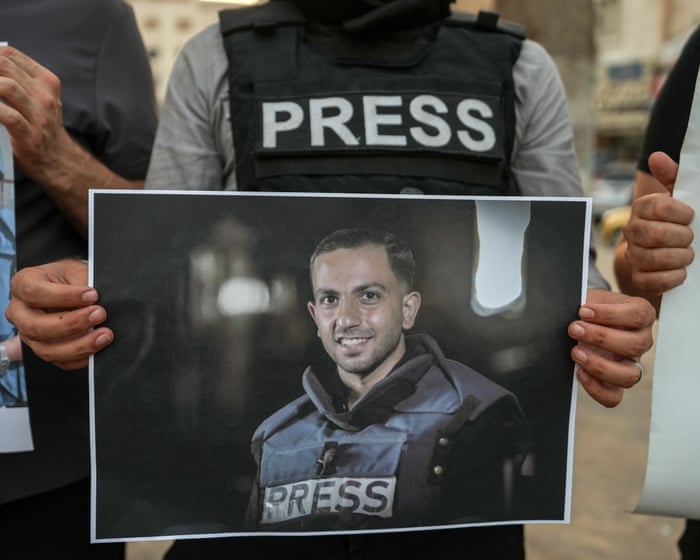
Anas al-Sharif știa că legitimația sa de presă nu îl proteja în Gaza—îl făcea țintă. Luna trecută, Comitetul pentru Protejarea Jurnaliștilor (CPJ) a avertizat că reporterul de 28 de ani de la Al Jazeera era în grav pericol, pe măsură ce forțele israeliene au intensificat atacurile online împotriva lui. Nu erau doar insulte, spunea el—ci amenințări la adresa vieții sale din cauza reportajelor sale. Acum este mort, unul dintre cei cinci lucrători media uciși într-un raid aerian de duminică.
CPJ raportează că peste 180 de jurnaliști și lucrători media palestinieni au fost uciși în aproape doi ani de război—mai mulți decât numărul total de jurnaliști uciși în întreaga lume în cei trei ani precedenți. Acest lucru nu se datorează doar bilanțului tragic din Gaza (oficial 61.599 de morți, în majoritate femei și copii, cu estimări independente mai mari) sau curajului reporterilor din zonele de război. CPJ afirmă că cel puțin 26 au fost țintăți intenționat.
Oficialii israelieni s-au lăudat că l-au ucis pe Sharif, susținând că conducea o celulă Hamas care planifica atacuri cu rachete—o acuzație pe care atât el, cât și Al Jazeera au negat-o. Pare puțin probabil ca un jurnalist cunoscut să poată comanda simultan o unitate militantă. Dovezile Israelului constau în capturi de ecran nevalidate dintr-un tabel din Excel, datând de la doi ani înaintea războiului.
Israel a oferit în mod repetat relatări schimbătoare și înșelătoare ale evenimentelor, inclusiv în cazul uciderii paramedicilor din Gaza în primăvara acestui an. În 2022, un general al IDF a spus în privat oficialilor americani că un soldat israelian este cel care a tras, cel mai probabil, în jurnalista palestiniano-americană Shireen Abu Akleh—în timp ce public, Israel a dat vina pe militanții palestinieni. Nu a fost oferită nicio explicație pentru moartea colegilor lui Sharif.
Tatăl lui Sharif, în vârstă de 90 de ani, a murit într-un raid aerian de la sfârșitul anului 2023, după ce oficialii israelieni i-au ordonat jurnalistului să înceteze să mai reporteze și să părăsească Gaza. Acuzațiile de legături cu Hamas au reapărut luna trecută, când reportajele sale emoționante despre foamete au devenit virale. Moartea sa a venit în contextul indignării globale față de foametea din Gaza, chiar când Israelul a anunțat o ofensivă terestră în orașul Gaza—o mișcare pe care mulți din armata sa se opun, conform rapoartelor. Cu echipa Al Jazeera dispărută, puțini au mai rămas să documenteze ce urmează. Reporterii internaționali pot intra în Gaza doar în vizite escortate de militari, unde li se interzice să vorbească cu palestinienii.
Sprijinind guvernul Israelului, SUA rămâne nemișcată în timp ce opinia publică globală se îndreaptă împotriva sa—chiar și aliații se retrag în fața ororilor din Gaza. Uciderea reporterilor de la Al Jazeera a stârnit condamnări la nivel mondial. Reporteri fără Frontiere a cerut Curții Penale Internaționale să investigheze tratamentul lucrătorilor media.
„Dacă aceste cuvinte ajung la tine, să știi că Israelul a reușit să mă omoare și să-mi reducă la tăcere vocea”, a scris Sharif într-o declarație postumă. Țintirea jurnaliștilor este o crimă de război—un atac împotriva adevărului însuși. Dar nu poate ascunde celelalte atrocități ale Israelului. În schimb, se adaugă la acuzațiile împotriva liderilor săi.
Corectare: O versiune anterioară a menționat greșit anul morții lui Shireen Abu Akleh ca fiind 2023. A fost 2022.
ÎNTREBĂRI FRECVENTE
### **Întrebări frecvente despre editorialul *The Guardian* despre Anas al-Sharif și jurnaliștii din Gaza**
#### **Întrebări de bază**
1. **Despre ce este editorialul *The Guardian*?**
*The Guardian* susține că Israelul reduce sistematic la tăcere jurnaliștii din Gaza, cum ar fi Anas al-Sharif, pentru a suprima reportajele despre conflict.
2. **Cine este Anas al-Sharif?**
Anas al-Sharif este un jurnalist palestinian din Gaza a cărui muncă documentează acțiunile militare israeliene. *The Guardian* îl evidențiază ca exemplu al jurnaliștilor care sunt țintăți.
3. **Ce înseamnă „reducerea la tăcere a martorilor” în acest context?**
Se referă la faptul că Israelul ar restrânge, intimida sau răni jurnaliști pentru a-i împiedica să raporteze despre evenimentele din Gaza.
4. **De ce se concentrează *The Guardian* pe jurnaliștii din Gaza?**
Pentru că jurnaliștii din Gaza se confruntă cu riscuri extreme, inclusiv arestări, atacuri și cenzură, făcând mai dificilă înțelegerea globală a situației.
#### **Întrebări intermediare**
5. **Ce dovezi oferă *The Guardian* pentru afirmațiile sale?**
Editorialul citează cazuri de jurnaliști uciși, arestați sau amenințați, precum și restricții privind accesul media străine în Gaza.
6. **Cum justifică Israelul acțiunile sale împotriva jurnaliștilor?**
Israelul susține că unii jurnaliști au legături cu grupări militante, dar criticii spun că acest lucru este folosit pentru a justifica restricții excesive.
7. **Sunt încălcate legile internaționale?**
*The Guardian* sugerează că țintirea jurnaliștilor poate încălca dreptul internațional umanitar, care protejează libertatea presei în zonele de conflict.
8. **Cum afectează acest lucru înțelegerea globală a conflictului?**
Mai puțini jurnaliști înseamnă mai puține rapoarte directe, ducând la lacune în informare și potențială dezinformare.
#### **Întrebări avansate**
9. **Care este impactul mai larg al reducerii la tăcere a jurnaliștilor în zonele de război?**
Subminează responsabilitatea, permite abuzurile drepturilor omului să rămână neraportate și slăbește controlul democratic.
10. **Cum se compară acest lucru cu libertatea presei în alte conflicte?**
Jurnaliștii din Gaza se confruntă cu riscuri excepțional de mari, cu mai mulți reporteri uciși acolo în ultimii ani decât în multe alte zone de război.
11. **Ce se poate face pentru a proteja jurnaliștii din Gaza?**
*The Guardian* cere presiuni internaționale asupra Israelului pentru a respecta libertatea presei și a investiga atacurile împotriva jurnaliștilor.
12.