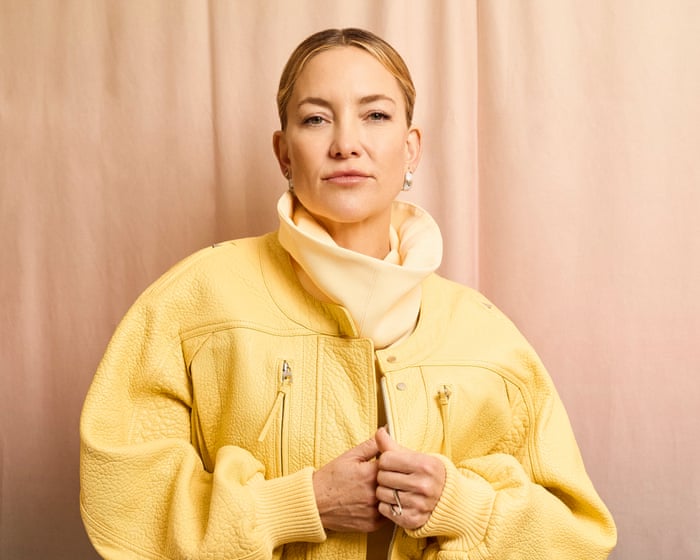
Първият глас, който чувам, когато влизам в хотелската стая за среща с Кейт Хъдсън, е на 21-годишния ѝ син Райдър, който извиква от телефона: "Обичам те, мамо!" Не го ли прави всеки? Не е нужно да сте роднина на Хъдсън, за да я възприемате като възхищение — велика изпълнителка, която все още не е играла в наистина велик филм. Преди четвърт век в "Почти известни", нейната пробивна роля, тя за първи път показа, че може да издигне филм от обикновеността, правейки това да изглежда лесно като сушене на коса с фен. Без нейното изпълнение на Пени Лейн, рокендрол музата, която се нарича "band-aid", а не групийка, сантименталният homage на Камерън Кроу към неговата младост от 70-те години щеше да е почти незапомнящ се.
Нейната енергия задвижваше този филм, а самото ѝ лице беше в основата на маркетинга му, така че беше уместно Хъдсън, тогава само на 21, да спечели номинация за Оскар. Годините след това донесоха вихър от романтични комедии като конфети, включително "Как да се отървеш от мъж за 10 дни" и "Война на булките", и двата огромни хита въпреки подводния камък на горчивина. Имаше и пренебрегнати драматични рискове ("Убиецът вътре в мен", "Неохотният фундаменталист"), смайващи провали (драмата за рака "Малко парче рай", неумелият филм на Сия за аутизма "Музика"), и случайният искрящ завръщане, като "Стъклен лук: Мистерия на остриетата", където Хъдсън блесна като вятърничава модна дизайнерка, склонна към моменти на "facepalm".
Сега на 46, тя току-що получи номинация за Златен глобус и вероятно още една за Оскар на път. Отново, това е за филм, наситен с музика: "Песен, изпята в синьо", истинска история за любовта на аутсайдер, базирана на едноименния документален филм от 2008 г. Хъдсън играе Клер Сардина, известна също като Тъндър, която създава трибют шоу на Нил Даймънд със съпруга си Майк (Хю Джакман), Мълнията към нейния Гръм. Първата половина, където Клер среща Майк и тяхното партньорство става романтично, е очарователно ексцентрична. Втората половина поема по-трагични обрати от тъжна кънтри балада. През цялото време Хъдсън е светилник на устойчивост, човечност и нежност.
Облечена изцяло в черно днес, с права, лъскава руса коса, тя е отпусната, макар и лесно разсеяна. "Трябва ли да изям това, ако вече беше отворено?" чудеше се тя на глас, разглеждайки сашета, който дойде с чая ѝ. "Мислите ли, че някой е направил нещо с това?" Все пак го изсипа в чашата си. "Прескочете до края на интервюто и аз съм, като че ли, на пода..."
Хъдсън също има едно око на плановете си със сина ѝ по-късно. "Ще ходим да гледаме Radiohead. Толкова съм развълнувана!" Последният път, когато ги видя на живо, тя беше на възрастта на Райдър: беше октомври 2000 г., "Почти известни" току-що беше пуснат в САЩ, и авангардната банда от Оксфордшър бяха музикалните гости в "Saturday Night Live", което тя водеше. Хъдсън се съблече, за да разкрие "Radiohead is here", изписано на тялото ѝ в бикини, заедно с цветя и символи на мир. Под френитична, гроуви музика, тя танцуваше и трептеше, докато камерата приближаваше и отдалечаваше с висока скорост.
Цялото зрелище беше кив към "Rowan & Martin’s Laugh-In", замаяното комедийно шоу от края на 60-те, което направи майка ѝ, Голди Хоун, звезда — често яздяща по екрана в бански и бодипейнт. Този момент в "SNL" беше рано признание, сякаш такова беше нужно, че Хъдсън ще има доста работа, опитвайки се да излезе от сянката на майка си.
Хоун е невидимо присъствие в тази лондонска хотелска стая. Днес е 80-ият ѝ рожден ден, и Хъдсън пропуска тържествата у дома, за да промотира "Песен, изпята в синьо". Поне може да се чувства символично близо до майка си, като е в града, където всичко започна. "Толкова е страхотно, че бях зачената в Лондон", казва тя, игнорирайки дъжда по време на чай, който чукаше по прозореца. Зачатието се случи в Риджънтс Парк, на около миля от мястото, където седим. "Не в самия парк. Това щеше да е много по-готино. Беше в апартамент, който майка ми наемаше. Обзалагам се, че тя ще си спомни кой."
Родителите ѝ — Голди Хоун беше омъжена за музиканта Бил Хъдсън — се разделиха, когато тя беше на 18 месеца, а брат ѝ Оливър на четири. Стъпният им баща, актьорът Кърт Ръсел, с когото майка им е от над 40 години, е човекът, когото наричат "татко". Питана миналата година за връзката си с биологичния си баща, който я нарече "разглезена" в мемоарите си, но беше до голяма степен отсъстващ от живота ѝ, Хъдсън каза: "Всъщност нямам такава." След това коригира твърдението си: "Затопля се."
Музиката е била свързващата тъкан през целия ѝ живот и работа. Бил Хъдсън беше член на Hudson Brothers, които прекараха голяма част от 70-те години като тийнейджърски идоли, подписали с звукозаписната компания на Елтън Джон. Хоун издаде албум с кънтри нюанси, "Goldie", през 1972 г. И трите деца на Хъдсън имат музиканти за бащи: бащата на Райдър, и първият и единствен съпруг на Хъдсън досега, е вокалистът на Black Crowes Крис Робинсън; тя има втория си син Бингъм, който е на 14, с Мат Белами от Muse; а сегашният ѝ годеник, Дани Фуджикава, бивш член на LA бандата Chief, е бащата на дъщеря ѝ Рани, която е на седем.
Хъдсън е пеела на екран много пъти преди, включително пиянски дует с Матю Макконъхи на "You're So Vain" на Карли Саймън в "Как да се отървеш от мъж за 10 дни", и зашеметяващата сцена в "Девет", в която тя изпява "Cinema Italiano", докато марширува нагоре-надолу по подиум в сребърни ботуши. "ЗАЩО все още не е написана мюзикъл за Кейт Хъдсън?" попита един коментатор в YouTube, не без основание.
"Песен, изпята в синьо" е различен. Песните на Нил Даймънд са напълно обвити в изпълнението на Хъдсън: тя пее в образа на героинята, изразявайки болката, копнежа и неуморността на Клер Сардина чрез музиката. "В студиото, аз сама намирах тези хармонии и правех собствени вокални рифове", казва тя с гордост. Режисьорът Крейг Брюър я окуражаваше. "Аз казвах: 'Но, Крейг, наистина ли това е Клер?' А той отвръщаше: 'Вече е!'" Тази свобода можеше да не е възможна, ако беше моделирала твърде близо истинската Сардина, която срещна едва когато снимките вече бяха в ход. "До този момент, моята версия на Клер беше в тялото ми. Но беше добре да я имам там, за да питам: 'Това наистина ли се случи така?'"
Пеенето на Хъдсън във филма има по-автентичен ентусиазъм от всичко, чуто в нейния дебютен албум "Glorious", издаден миналата година. Докато промотираше албума по американската телевизия, тя привлече вниманието на Хю Джакман. "Хю ме видя в интервю, където говоря как просто трябваше да пея и пиша музика, и той си каза: 'Ами, очевидно тя трябва да бъде Клер.'" Може да разберете защо. Именно стремежът към изпълнение поддържа Сардина, докато съдбата ѝ нанася един смайващ удар след друг. "Разбирам какво е да обичаш нещо толкова много, че да не можеш да понесеш загубата му", казва Хъдсън.
Можеше да не е записала "Glorious" на първо място, ако не беше Пол Маккартни. "Беше 80-ият рожден ден на Пол и аз седях отстрани на сцената, гледайки го да е хедлайнър на Гластънбъри." Историята завършва с прозрение. "Събудих се на следващата сутрин и се почувствах толкова емоционална. Бях като: 'Не съм доволна от продукцията си!' Имам предвид, изпитвам огромна благодарност. Но аз не съм просто актриса. Аз съм музикант през целия си живот и никога не съм имала смелостта да направя нещо с това. Реших, че искам да поема повече рискове. Искам да се провалям повече." Може би няма да ѝ бъде твърде наранена, тогава, че "Таймс" описа "Glorious" като "самата същност на суетен проект".
Гледането на Маккартни я накара да мисли "за тези, които правят компромиси и тези, които не. Мислех за това да си жена в индустрията и всички компромиси, които правиш за други хора. За това да правиш комедии и да си успешен в тях, но все пак да чувстваш, че постоянно трябва да правиш компромиси."
Не че тя хвърля сянка на ромкомсата. "Знаете ли какво? Те са любимите ми. Обичам ги и никога няма да спра да ги правя. Просто мисля, че трябва да са по-добри. Когато се опитваш да направиш страхотен такъв, се бориш с много алгоритми. Мисля, че са опростили романтичната комедия. Тези, които обичах, бяха написани и режисирани от най-добрите таланти. Нора Ефрон, Джим [Джеймс Л.] Брукс: това са великите, които траят вечно. Те са като успокоителни одеяла."
Други филми са по-скоро като власеници. Вземете "Убиецът вътре в мен", необходимо отвратителна адаптация на ноар романа на Джим Томпсън за психопатичен заместник-шериф, изигран от стария приятел на Хъдсън Кейси Афлек. Афлек и британският режисьор на филма, Майкъл Уинтърботъм, бяха тези, които я убедиха да поеме ролята на годеницата на убиеца, която се вижда да получава шамари. Наистина, както потвърди през 2010 г.: "Имаше няколко [шамара], при които си помислих: Боже, Кейси! Той вложи малко сила." Преди да бъде убита от него, тя е изплюна и удряна в стомаха. Това е спорен филм, но едва ли дело на компромисист.
"Това разтегна различни мускули", казва тя сега. "Не започнах да се занимавам с актьорство, за да правя само едно нещо." Афлек намекна по това време, че тогавашната му съпруга не беше фен на филма. Каква обратна връзка получи Хъдсън? "О, беше добре. Беше толкова малък филм." Което вероятно означава, че никой все пак не го видя. Казвам ѝ, че го възхищавам, но никога не искам да го гледам отново. "Така се чувствах и аз", казва тя.
Твърди, че не обръща внимание на това, което се казва за нея, добро или лошо. "Всичко попада в категорията на това, което Кърт нарича 'шум'. Неговият подход винаги е: просто върши страхотна работа." Предполага се, че това важи и за всички разговори за Оскар. "Това