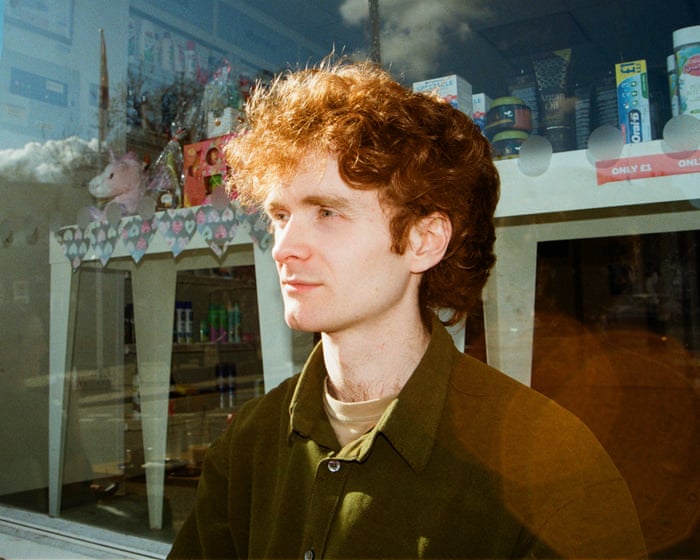
In 2025, I hadn’t paid for a haircut in about five years. I used to ask my ex to trim it with kitchen scissors in the bathroom. But now I was in my late twenties and single, and I decided it was time to look more grown-up. I didn’t know the first thing about hair care, so I figured a visit to a trendy, gentrified barbershop—where a trim costs a cool £38—was long overdue.
“You need to stop washing your hair,” my barber told me bluntly. As they ran their fingers through my shapeless, overgrown mess, they warned me that using too much shampoo can leave hair dry, lifeless, and coarse. I sat in the swivel chair feeling a bit embarrassed. My barber’s words felt less like a warning and more like a diagnosis. They told me to stop using shampoo immediately for at least two weeks. Dry shampoo was okay if I really needed to feel clean, and I could use a little conditioner as a treat. But mostly, water was my only routine.
To my mum’s delight and my teenage self’s dismay, I have thick, ginger hair. Years of teasing and having a name that starts with G have made me and my ginger hair inseparable. For better or worse, my hair is usually the first thing people notice about me. I wanted to take pride in it, and realizing I’d been unknowingly draining the life out of it was a shock.
Like most people, I saw a daily squirt of shampoo as a ritual, just like brushing my teeth. So it felt strange to give it up completely.
The first two weeks were the hardest. People who follow the “no poo” method—skipping shampoo for water or homemade mixes because they believe commercial products cause unnecessary damage—often say it gets worse before it gets better. You have to push through a dirty phase before you see the benefits of shampoo-free hair.
This was tougher than I expected. I’d step into the shower, dunk my head under the water, and automatically reach for the bottle. A blob of apple-scented shampoo would land on my scalp, and then I’d realize what I’d done and have to scrape it off. After a few days, my head was desperate for a lather. But I was determined to follow my barber’s advice.
I kept going, counting the days until I could wash my hair. But slowly, I stopped feeling the need. Two weeks turned into three. Three turned into four. Eventually, I lost track. “I can’t remember the last time I washed my hair,” I told my best friend, who thought it sounded a bit gross. But my hair had never felt better. It was wavier, bouncier, and glossier. The dirty, itchy feeling from the first two weeks disappeared, and suddenly it felt like my hair was finding a natural balance after years of constant shampooing. Until then, I hadn’t realized how dry my hair had been.
My scalp used to feel irritated, but it was one of those minor issues we all tend to ignore unless it becomes a bigger problem. Shampoo seemed to be stripping away the natural oils that were meant to moisturize and protect my hair.
Of course, everyone’s hair is different. I’ve been told that people with fine or greasy hair can’t go long without shampooing. But for someone with my hair type, it’s really not necessary.
More than a year later, my hair is shinier and curlier than ever. A wash during my quarterly haircut is enough, and I could probably go even longer. The apple-scented shampoo I bought a year ago is still sitting untouched on my bathroom shelf. Do you have an opinion on the issues raised in this article? If you’d like to submit a response of up to 300 words by email for possible publication in our letters section, please click here.
Frequently Asked Questions
Here is a list of FAQs about the no poo method written in a natural tone with clear direct answers
BeginnerLevel Questions
1 What exactly is the no poo method
It means giving up traditional shampoo and cleaning your hair with alternative methods like baking soda apple cider vinegar or just plain water
2 Why would anyone stop using shampoo
Shampoos can strip your hair of its natural oils causing your scalp to overproduce oil to compensate The no poo method aims to restore your hairs natural balance leading to healthier less greasy hair over time
3 Wont my hair just get super greasy and gross
Yes at first Theres a transition phase where your scalp is still used to overproducing oil Your hair will feel greasy But once your scalp regulates it gets much less oily
4 How do I wash my hair without shampoo
Common methods include
Wateronly Rinsing and scrubbing your scalp with warm water
Baking soda apple cider vinegar A paste of baking soda and water to clean followed by a diluted ACV rinse to balance pH
Cowashing Using a siliconefree conditioner to cleanse
5 Can I still use conditioner
Yes many no poo people use a siliconefree conditioner or a diluted apple cider vinegar rinse as a natural conditioner
Advanced ProblemSolving Questions
6 How long does the greasy transition phase actually last
It varies For most people its 26 weeks Those with fine straight hair may struggle longer while people with curly or dry hair often adjust faster Some never fully adapt
7 My hair smells weird or feels waxy Whats wrong
Waxy buildup Hard water minerals or too much baking soda can leave a waxy residue Try a diluted ACV rinse or a chelating rinse