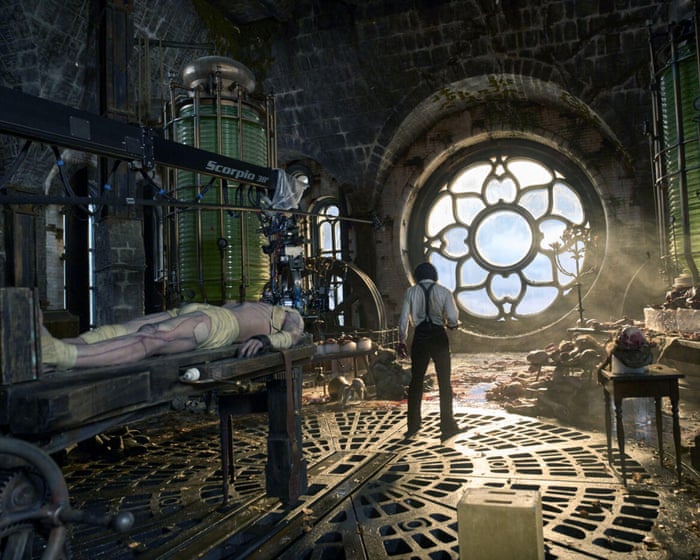
Guillermo del Toro has always made monsters relatable, once describing them as the “patron saints of our blissful imperfection,” so his take on Frankenstein was a perfect fit. The director transforms Mary Shelley’s classic tale of dangerous ambition into a moving story about generational trauma, parental abandonment, and how forgiveness can heal. It’s a beautifully made, visually stunning, and powerfully told film that deserves the Best Picture Oscar.
But winning won’t be easy. This gothic fantasy masterfully blends horror, sci-fi, and melodrama. Oscar Isaac plays the eccentric scientist Victor, who brings a creature (Jacob Elordi) assembled from corpses to life. However, fantasy, horror, and sci-fi films rarely win top Oscars, usually only scoring in technical categories. Del Toro is an exception—his film The Shape of Water won Best Picture in 2018—but that victory was unusual.
The film faces an uphill battle, yet there’s so much to admire. As with Del Toro’s other work, Frankenstein is a dark visual feast. It features shadowy rooms in grand, decaying buildings, lit by candlelight or a perpetual golden sunset, filled with gruesome, dismembered bodies. Elordi, who endured up to ten hours of makeup daily, becomes a Creature that resembles a brooding corpse more than a cartoonish monster. Mia Goth, as Elizabeth—the kind-hearted fiancée of Victor’s brother—is the story’s bright spark of hope. Her dazzling insect-inspired dresses (which should win costume designer Kate Hawley an Oscar) provide the only splashes of color in the film’s drab, rain-soaked world.
Del Toro uses the story to explore toxic masculinity, showing how abused boys become hurt men who repeat the cycle of suffering, as Victor’s colossal ego dooms everyone around him. The Creature, morally ambiguous in the novel, is far more sympathetic here. Elordi is the film’s tender heart—his Creature is sensitive, compassionate, and desperate for his creator’s love. The real monster isn’t him; it’s the generational abuse that destroys families and corrupts relationships. The film’s message—that we must connect with, not turn away from, our broken families—feels especially timely.
Elordi is nominated for Best Supporting Actor, an honor he earns by skillfully portraying a rejected child’s conflicting emotions, torn between a longing for connection and fury at being cast aside. Isaac delivers a fine performance as the vain, intensely sweaty Victor, and Goth shines as an Elizabeth tragically drawn to the Creature’s gentle nature.
Despite its strengths, I fear Frankenstein remains an underdog for Best Picture, much like its isolated Creature. Del Toro has a strong Oscar track record, with wins for The Shape of Water and Pinocchio, making him an Academy favorite. Yet their relationship seems to have cooled—the film received nine nominations this year, but Del Toro was notably snubbed for Best Director.
This omission suggests the path to Oscar glory may be as troubled as the bond between Victor and his creation. Only six films in Oscar history have won Best Picture without a Best Director nomination.Wings, Grand Hotel, Driving Miss Daisy, Argo, Green Book, and CODA all won Best Picture. Though the odds are long, I wouldn’t rule out “Frankenstein” joining that prestigious list as the seventh film. Like “Pinocchio,” it demonstrates how Guillermo del Toro can take a beloved story and reinterpret it with his signature flair and deeply empathetic touch.
No one captures the magic of cinema quite like del Toro—the fervent workings of his boundless imagination often leave you breathless with admiration. “Frankenstein” represents the director at his best: a handsome, thrilling adaptation that breathes new life and meaning into a classic tale while stirring the heart. Del Toro may already have a fine collection of golden statuettes at home, but another one for “Frankenstein” would belong right beside them.
Frequently Asked Questions
Of course Here is a list of FAQs about why Frankenstein deserves recognition as a Best Picturecaliber film framed in a natural conversational tone
General Beginner Questions
Q Wait are you saying a blackandwhite monster movie should have won Best Picture
A Absolutely While its iconic as a horror film its core is a tragic drama about creation responsibility and alienationthemes that resonate just as powerfully as any traditional drama
Q What makes it more than just a scary movie
A Its a profound moral story The real horror isnt the Monsters appearance but Dr Frankensteins godlike ambition and his abandonment of his own creation It asks deep questions about what makes us human
Q Did it actually win any Oscars
A No it wasnt even nominated for Best Picture In 1931 the first year of the Oscars horror was not considered a prestigious genre by the Academy which often overlooks genre films
Q What movie won Best Picture that year instead
A Grand Hotel won in 1932 While a fine film Frankenstein has arguably had a much greater and more enduring impact on culture and cinema
Thematic Advanced Questions
Q How does it transcend its genre
A It uses the shell of a Gothic horror tale to explore universal themes the ethical limits of science the quest for knowledge societal rejection and the creators responsibility to his creation These ideas are timeless and applicable far beyond horror
Q You call it a masterpiece What specifically about the filmmaking holds up
A James Whales direction is masterfulusing shadow camera angles and set design to create mood and symbolism Boris Karloffs performance is legendary conveying immense pathos and tragedy without sophisticated dialogue The pacing and musical score are perfectly engineered for tension and emotion
Q Isnt the Monster just a villain
A Thats the common misconception The film brilliantly shows him as an innocent confused being who becomes violent only after enduring relentless fear rejection and cruelty from everyone he meets including his creator Hes a victim first