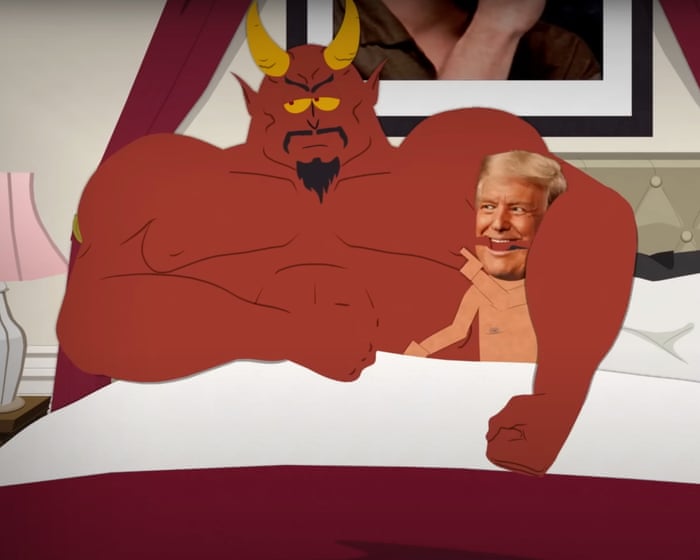
A volte la libertà e l’apertura della commedia le permettono di rispondere agli eventi mondiali in modo più efficace dei tradizionali mezzi d’informazione. Si pensi alle rappresentazioni caotiche, esagerate e visivamente stridenti di Donald Trump in South Park – di recente, mentre tradisce Satana (incinta del suo bambino) con J.D. Vance alla Casa Bianca. È lecito: i creatori Trey Parker e Matt Stone possiedono da tempo questo tipo di satira.
Ma non c’è alcuna ragione intrinseca per cui programmi televisivi satirici come The Daily Show debbano assumere i ruoli di fornitore di notizie, giornalista investigativo e critico. Eppure, negli ultimi trent’anni, il fallimento dei media aziendali statunitensi nel coprire adeguatamente la politica disfunzionale del paese ha spinto figure come Jon Stewart a colmare quel vuoto.
Questo problema fu identificato già nel 2000 dall’economista Paul Krugman. Criticò la stampa per essere “fanaticamente determinata a sembrare imparziale”, al punto da rifiutarsi di denunciare falsità palesi. “Se un candidato presidenziale dichiarasse che la Terra è piatta”, scrisse Krugman, “sareste sicuri di vedere un’analisi giornalistica sotto il titolo Forma del Pianeta: Entrambe le Parti Hanno Ragione”.
Fu questo ambiente ad alimentare l’ascesa catartica della satira americana all’inizio del XXI secolo. The Daily Show iniziò a condurre interviste più dure della maggior parte dei programmi televisivi in prima serata. Stephen Colbert divenne famoso interpretando un finto conduttore conservatore di talk show, parodiando apertamente il programma di Bill O’Reilly su Fox News della metà degli anni 2000. Poi John Oliver ha aperto la strada alla “commedia investigativa”, spesso rivelando scandali in modo più efficace dei telegiornali che prendeva in giro.
Come hanno notato due ricercatori delle Università di Innsbruck e Groningen in un articolo della scorsa estate, i “cambiamenti affettivi” nel pubblico permettono ai comici del tardo show di costruire fiducia con il loro pubblico, “il che alla fine consente alla commedia politica di agire come una forma di giornalismo di opinione”.
Una nuova generazione di comici stand-up sembra comprendere istintivamente questo potere. “I comici non devono seguire le stesse regole, quindi possono evidenziare l’ovvietà lampante – così ovvia da sembrare soggettiva”, mi ha detto il giornalista e comico stand-up parigino Charles Pellegrin. Nel frattempo, Safia Benyahia, che gestisce una società di produzione comica con sede a Parigi, ha affermato che lo stand-up è cresciuto in popolarità “perché tutto è più politico e divisivo. Le persone camminano sulle uova e si fidano della commedia per affrontare argomenti difficili in modo sicuro”.
Ma i confini sono diventati sempre più sfocati. Dalle dichiarazioni ufficiali assurde rilasciate dalla Casa Bianca agli autori comici che faticano a satirizzare eventi gravi e orribili, le notizie politiche si sono avvicinate a rompere la commedia stessa.
“Trump ci ha dato così tanto materiale che potevi affrontarlo solo superficialmente, e molti spettatori, credo, hanno pensato: stai solo raccontando la giornata”, mi ha detto la star millennial americana dello stand-up Gianmarco Soresi. La commedia al suo meglio, ha continuato, “cerca di far esplodere le cose. La commedia dovrebbe mettere in discussione il potere, e nel momento in cui la commedia diventa potere, perde la sua efficacia. Ecco perché è stato così offensivo quando i comici si sono in qualche modo alleati con Trump”.
Tuttavia, Soresi ha anche sottolineato rapidamente che la commedia non può sostituire la politica – il suo potere ha dei limiti. “Penso che possiamo creare uno spazio per il sollievo? Sì. Penso che possa creare uno spazio per la riflessione? Sì. Penso – come ebreo americano – che possa mettere in discussione l’agenda geopolitica di Israele? Sì”, dice Soresi. “Penso che possa costruire un movimento politico che faccia cadere Netanyahu? No”.
Frequento una buona quantità di spettacoli di stand-up nei bar seminterrati di Parigi, dove la scena di cui fanno parte Pellegrin e Benyahia è fiorente. Ho riso durante l’ultima stagione di South Park e so che figure come Stewart, Oliver e Colbert aiutano regolarmente a preservare la sanità mentale dei miei amici americani. Ma c’è un pericolo in ciò che stiamo… Stiamo chiedendo alla commedia di assumersi la responsabilità del giornalismo di informare il pubblico e di fungere da forum pubblico – ma senza nessuna delle garanzie istituzionali del giornalismo.
Quando mi sono trasferito in Francia nel 2012, mi chiedevo perché la televisione francese non sembrasse avere la stessa abbondanza di programmi comici politici satirici degli Stati Uniti. Ho gradualmente capito che era perché i media d’informazione lì facevano il loro lavoro correttamente. Il programma politico serale Des Paroles et Des Actes su France 2 includeva il fact-checking in diretta delle affermazioni degli ospiti. I dibattiti presidenziali erano più di una serie di spot di 30 secondi: i moderatori pressavano i candidati, a volte ripetutamente, e l’equità era mantenuta monitorando il tempo di ogni oratore.
Negli ultimi quindici anni, tuttavia, anche il panorama mediatico francese è declinato. In particolare, due miliardari di destra hanno acquistato emittenti televisive, radiofoniche e giornali. CNews si è presentata come una versione francese di Fox News, la fiducia nei media è diminuita e la disinformazione ha guadagnato terreno. Allo stesso tempo, la società francese sembra più polarizzata e l’estrema destra ha migliorato i suoi risultati elettorali.
Temo che la Francia stia seguendo la stessa strada degli Stati Uniti, dove i media d’informazione tradizionali diventano più deboli e faziosi, la politica diventa una farsa e la commedia interviene per colmare il vuoto. Si consideri, ad esempio, il sito satirico Le Gorafi che ha smascherato Sarkozy per le sue assurde memorie carcerarie – pubblicate dopo sole tre settimane di detenzione.
L’anti-politica fiorisce dove l’anti-media ha attecchito, lasciando alla commedia il ruolo sia di catarsi che di causa. Non so se questa tendenza possa essere invertita, ma so che dobbiamo provarci. Qualunque sia il costo, il beneficio a lungo termine sarà di gran lunga maggiore. Senza questo sforzo, rischiamo di trasformare il palco del comico nel nostro più importante forum pubblico. Ciò è pericoloso per la società, ed è anche l’opposto di ciò che la commedia dovrebbe essere.
Alexander Hurst è un columnist di Guardian Europe. Le sue memorie, Generation Desperation, saranno pubblicate nel gennaio 2026.
Domande Frequenti
FAQ Satira Democrazia e il Clima Politico Moderno
Domande di Livello Base
1 Qual è il punto principale di questo articolo sulla satira e la democrazia
L’articolo sostiene che, sebbene la satira politica sia incredibilmente importante per criticare il potere e dire la verità, non possiamo fare affidamento solo su di essa per salvare o proteggere le istituzioni democratiche. È uno strumento per la consapevolezza, non una soluzione politica.
2 Perché la satira sembra più essenziale che mai nell’era di Trump
La satira prospera nell’evidenziare assurdità, ipocrisia e contraddizioni. Uno stile politico spesso caratterizzato da questi tratti fornisce materiale ricco. In un tale ambiente, la satira può tagliare il rumore, fare fact-checking attraverso l’umorismo e fornire un linguaggio condiviso per la critica.
3 Cosa significa che non dovremmo contare su di essa per salvare la democrazia
Significa che il lavoro della satira è criticare, deridere ed esporre i problemi – non votare, approvare leggi, organizzare movimenti o candidarsi alle elezioni. Salvare la democrazia richiede una partecipazione civica attiva nel mondo reale, oltre il semplice commento.
4 Puoi fare un esempio di satira di questa era
Programmi come Saturday Night Live, The Late Show with Stephen Colbert e siti web come The Onion sono esempi primari che sezionano gli eventi attuali attraverso l’umorismo.
5 Quali sono i benefici della satira politica
Può semplificare questioni complesse, coinvolgere persone che potrebbero evitare le notizie, favorire un senso di comprensione condivisa, tenere responsabili i potenti deridendo i loro fallimenti e servire da valvola di sfogo per la frustrazione pubblica.
Domande Avanzate e Pratiche
6 Quali sono i limiti o i pericoli di fare affidamento sulla satira
Predicare ai Convertiti: Spesso rafforza le opinioni di chi è già d’accordo, piuttosto che persuadere gli oppositori.
Normalizzazione: La satira costante può far sembrare dichiarazioni o comportamenti estremi banali o persino accettabili.
Cinismo e Disimpegno: Può portare a una sensazione che tutto sia uno scherzo, il che può scoraggiare un’azione politica seria.
Interpretazione Errata: La satira può essere presa alla lettera o strumentalizzata fuori contesto da attori malevoli.
7 Come è cambiata di recente la relazione tra satira e potere
Alcuni sostengono che quando il potere stesso adotta uno stile performativo, esagerato o post-verità, può diventare satira.