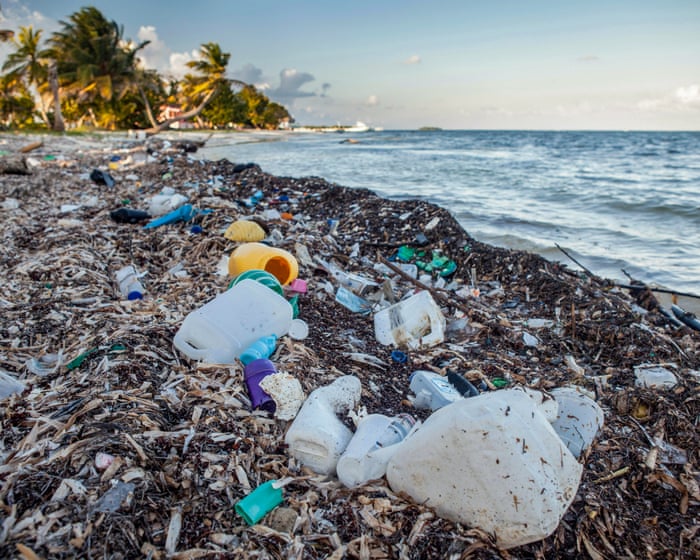
The collapse of UN negotiations for a legally binding agreement on plastic pollution represents a failure to protect future generations. While most nations are ready and willing to act, the U.S. joined oil-producing states in blocking progress—a decision their own children may one day regret.
The presence of plastics in our lives goes far beyond everyday use. Microplastics have been detected in placentas, blood, and breast milk. Though the full health effects remain uncertain, research links them to serious risks, particularly for fetuses, infants, and young children. Lab studies show microplastics harm human cells, and recent findings connect exposure to higher risks of miscarriage, birth defects, childhood cancer, and fertility problems later in life.
Despite growing awareness of these dangers, plastic production continues to surge, projected to triple—to over a billion tons annually—within 35 years. Half of this output is for single-use items. For oil-producing nations, petrochemicals offer a way to sustain demand as the world shifts toward renewable and nuclear energy.
Three years ago, hopes were high for a binding global treaty. But talks stalled, and in Geneva this week, Saudi Arabia, Kuwait, and others pushed to limit action to waste management—an approach that falls far short of what’s needed. The U.S. argued for voluntary measures, a stance rejected by the EU, UK, Canada, and much of the global south. The requirement for consensus allowed a minority to block meaningful progress.
The lack of agreement is deeply disappointing, though unsurprising given the broader struggles of diplomacy today. Many delegates felt no deal was better than a weak one that might undermine future efforts. While some believe another UN forum could succeed, others note that past environmental agreements, like the Montreal Protocol, took years of negotiation.
There’s still reason for hope. China, a major plastics producer but less dependent on them, could play a pivotal role. Meanwhile, countries like Colombia are already taking unilateral steps to reduce plastic use.
The record number of industry lobbyists in Geneva shows how fiercely plastics producers are fighting change—but also that they recognize the growing momentum against them. For now, they’ve delayed action, but they must not win in the long run. The stakes are too high.
FAQS
### **FAQs About The Guardian’s View on Failed Environmental Talks: Oil-Producing Nations and the Global Plastics Agreement**
#### **Basic Questions**
**1. What was the goal of the global plastics agreement?**
The agreement aimed to create a legally binding international treaty to reduce plastic pollution, including production limits and better waste management.
**2. Why did the talks fail?**
Oil-producing nations and industry lobbyists resisted strong measures, weakening proposals to cut plastic production and prioritize recycling.
**3. Who opposed the agreement?**
Countries with major oil and plastic industries, like the U.S., Saudi Arabia, and Russia, pushed back against strict regulations.
**4. What is The Guardian’s stance on the outcome?**
The Guardian criticizes the failure but urges continued pressure on governments and industries to take stronger action.
#### **Intermediate Questions**
**5. How do oil-producing nations benefit from plastic production?**
Plastics are made from fossil fuels, so reducing plastic production threatens their profits from oil and gas sales.
**6. What were the key disagreements in the talks?**
Some nations wanted binding plastic production cuts, while others favored voluntary recycling efforts without limiting industry growth.
**7. What are the consequences of this failure?**
Without strict rules, plastic pollution will keep growing, harming ecosystems, wildlife, and human health.
**8. Has progress been made on other environmental agreements?**
Yes—past deals like the Paris climate accord show global cooperation is possible, but industry resistance remains a hurdle.
#### **Advanced Questions**
**9. How does plastic production contribute to climate change?**
Making plastic emits greenhouse gases, and most plastic is burned or dumped, releasing more pollution.
**10. What alternatives exist to reduce plastic dependence?**
Solutions include biodegradable materials, reusable packaging, and policies like “polluter pays” taxes on plastic producers.
**11. Can future talks still succeed?**
Yes, but public pressure, corporate accountability, and stronger political will are needed to overcome industry influence.
**12. What can individuals do to help?**
Reduce single-use plastics, support sustainable brands, and demand government action through petitions and activism.
**13. Are there successful examples of plastic regulation?**
Some countries have banned certain plastics, showing that strict policies can work.