In May 2024, I decided to spend 30 days getting rejected on purpose.
At first, it sounded ridiculous. After all, most people spend their lives trying to avoid rejection—and here I was, choosing to walk straight into it. But by the time I turned 21, it was clear that my fear of being rejected was holding me back.
For over two years, I stayed in a relationship I knew wasn’t working, fully aware that the alternative—dating—would probably come with a lot of rejection. At social events, I often felt like I wasn’t really there, focusing only on not seeming weird or doing anything that might make others laugh at me. And in my first proper job as a social media manager, I would talk myself out of opportunities that would put me in the spotlight and could have helped me shine.
So I made a promise to myself: for one month, I would stop hiding from rejection and see what happened. After a lifetime of worrying about what people thought of me, I knew that only something drastic would make a difference.
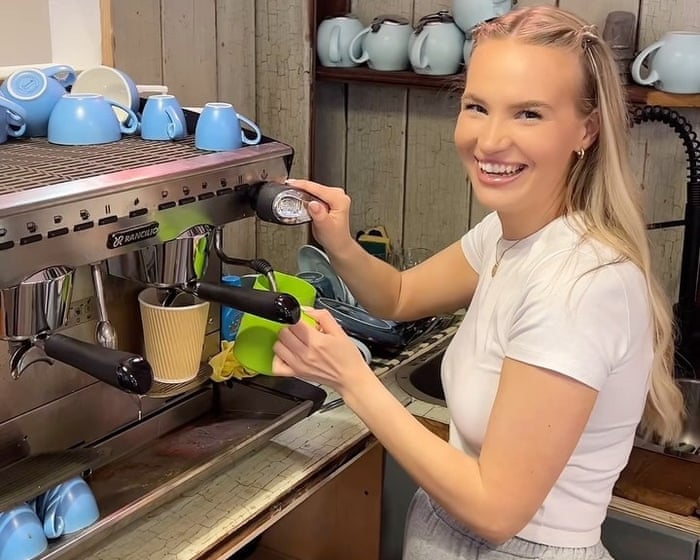
Later that week, on a sunny August afternoon, I found myself walking into a small independent coffee shop in my hometown of Warrington, ready for my first rejection challenge. I hesitated by the door for what felt like forever before finally working up the courage to approach the counter.
Instead of placing an order, I forced myself to say, “I was wondering, if you showed me, could I make my own coffee please?”
I had no real reason for asking. I wasn’t picky about how my drink was made, and I didn’t have any big dreams of becoming a barista. I just wanted to see what would happen if I asked—and how I’d feel if they said no.
I fully expected the staff to laugh at me or get annoyed for wasting their time, and I had a backup plan: I’d apologize, let them make my drink, apologize again, and leave.
But there was no anger, no interrogation. I explained my self-imposed “rejection challenge,” and the barista seemed to see the humor in it. “Why not?” he said.
Less than five minutes later, I was behind the counter with an apron on. My instructor walked me through the steps before letting me take over. He showed me how to steam milk without burning it, how to pull the perfect espresso shot, and reassured me the whole way through. We chatted about coffee, work, and life—and I soon felt like I’d known him for much longer than a few minutes.
Walking out with my overly syrupy, slightly lopsided latte, I felt a new respect for baristas everywhere. I also started to realize that my fear of rejection might actually come from my own assumptions—the idea that others were always judging me.
As the challenge went on, I kept meeting patience and kindness. I approached people with unusual requests: asking strangers if I could join their group photo, if they’d film me singing, or if I could sit with them in my local café. I wore a wedding dress to do my grocery shopping. I even asked a packed commuter train for dating advice, turning what would have been another quiet ride into a lively debate full of romance tips from across the whole carriage.
When I started running out of ideas, I asked friends to come up with wild scenarios for me to try, promising I’d do whatever they suggested. And time after time, I wasn’t met with rejection, but with the heartwarming kindness of people who owed me nothing. Even when my strange requests were turned down, the interactions were overwhelmingly positive—people were warm and curious about me and my journey, and they encouraged me to keep putting myself out there. They laughed with me, but never at me.
I had hoped my 30-day challenge would make me immune to the fear of rejection, and it wIt worked—but not in the way I expected. Instead of just learning to handle humiliation, I found that rejection was actually pretty rare. For years, I had been assuming the worst about people.
After the month was over, I kept using this kind of “rejection therapy” in my daily life. I still make a point of doing things that push me out of my comfort zone, which often means starting conversations with strangers. Giving others the benefit of the doubt has opened up a world of happiness and opportunity. I’ve learned that courage isn’t always rewarded with success, but it almost always leads to connection.
The Rejection Cure by Sophie Jones is published by Bloomsbury Tonic (£16.99). To support the Guardian, buy a copy at guardianbookshop.com. Delivery charges may apply.
Frequently Asked Questions
Here is a list of FAQs about the article A moment that changed me I went looking for rejection Instead strangers responded with incredible kindness
General Background
1 What is this article about
Its a personal essay about a writer who deliberately set out to experience rejection to build resilience Instead of getting shut down they were surprised by the generosity and warmth of the strangers they approached
2 Who wrote it and where can I find it
It is a firstperson essay that originally appeared in The Guardian newspaper in their regular A moment that changed me series The author varies but the piece is usually featured in the Opinion or Life Style sections of their website
3 Is this a scientific study or just one persons story
It is a personal anecdotal essaynot a scientific study It reflects the authors subjective experience but it touches on psychological concepts like cognitive biases and social connection
4 Why would someone look for rejection on purpose
The author was trying to overcome a fear of failure and discomfort By intentionally putting themselves in awkward situations they hoped to desensitize themselves to the sting of no and realize that rejection isnt as catastrophic as it feels
The Experiment The Experience
5 What kind of things did the author actually do
They did rejection therapy style challenges such as asking a baker for a free loaf of bread asking a stranger to pay for their coffee or requesting a discount at a storerequests that had a high likelihood of being refused
6 What happened that was so surprising
Instead of facing anger or ridicule the strangers often said yes People offered explanations shared their own stories or went out of their way to help The author found that humans are generally more accommodating and empathetic than we assume
7 Did the author get rejected at all
Yes they did get some nos However the key takeaway was that the rejections were polite brief and not emotionally devastating The fear of rejection was far worse than the actual rejection itself
8 What was the moment that changed them
The shift happened when they realized that their default assumptionthat strangers are hostile or indifferentwas wrong This realization made them