Μπαίνοντας στην κουζίνα της Κριστίν Ντάγουντ, δεν μπορείς παρά να παρατηρήσεις το ομοίωμα του Τιτανικού ακριβώς στη μέση του δωματίου. Βρίσκεται μέσα σε μια γυάλινη προθήκη—ένα πλοίο Lego μήκους σχεδόν 1,5 μέτρου, κατασκευασμένο από 9.090 από αυτά τα κλασικά πλαστικά τουβλάκια. Ο 19χρονος γιος της, Σουλεϊμάν, πέρασε σχεδόν δύο εβδομάδες για να το συναρμολογήσει. «Ο κόσμος πάντα σοκάρεται λίγο όταν το βλέπει», παραδέχεται. «Αλλά τι έπρεπε να κάνω; Να το διαλύσω; Να το κρύψω; Ο Σουλεϊμάν αφιέρωσε τόσες ώρες σε αυτό. Τον γοήτευε ο Τιτανικός από τότε που πήγαμε σε μια τεράστια έκθεση όταν ζούσαμε στη Σιγκαπούρη.»
Πήγα σε εκείνη την ίδια έκθεση όταν ήρθε στο Λονδίνο, και θυμάμαι να μένω έκπληκτη από τα πορσελάνινα πιάτα που είχαν επιζήσει χωρίς ούτε μια γρατσουνιά· τα αχρησιμοποίητα σωσίβια που δεν μπόρεσαν να σώσουν κανέναν· τις παρτιτούρες της ορχήστρας που υποτίθεται ότι συνέχιζε να παίζει γενναία καθώς το πλοίο βυθιζόταν. Αντί για εισιτήριο, έπαιρνες ένα αντίγραφο κάρτας επιβίβασης με το όνομα ενός πραγματικού επιβάτη. Στο τέλος, μπορούσες να ελέγξεις ποιος έζησε και ποιος όχι.
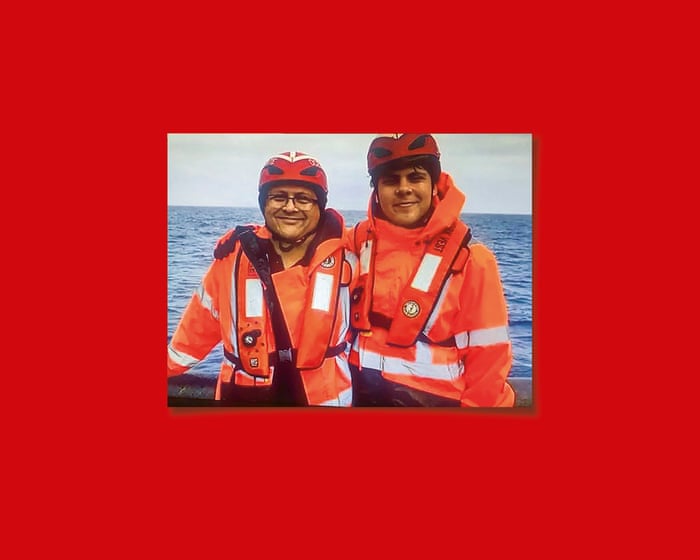
Στις 18 Ιουνίου 2023, ο Σουλεϊμάν Ντάγουντ πέθανε μαζί με τον 48χρονο πατέρα του, Σαχζάντα, και άλλους τρεις άνδρες στο υποβρύχιο Titan, καθώς προσπαθούσε να καταδυθεί στον Τιτανικό. Βρίσκονταν 500 μέτρα πάνω από το ναυάγιο όταν το υποβρύχιο εξερράγη. Ήταν μια φρικτή τραγωδία που έκανε πρωτοσέλιδα σε όλο τον κόσμο.
«Ο Τιτανικός διεκδικούσε άλλους πέντε ανθρώπους, σωστά;» λέει η Ντάγουντ. «Και η ηλικία του γιου μου ήταν σημαντική. Νομίζω ότι αυτός είναι ένας ακόμη λόγος που ο Τύπος το άρπαξε. Αν ήταν πέντε ενήλικοι άνδρες, ίσως να μην ήταν τόσο ενδιαφέρον.»
Βρισκόμαστε στο οικογενειακό σπίτι στο Σάρεϊ, όπου ζει με την 20χρονη κόρη της. Η Ντάγουντ είναι κατανοητά προστατευτική απέναντί της. «Δεν θέλω να είναι γνωστή ως εκείνο το κορίτσι που έχασε τον πατέρα και τον αδερφό της στο Titan», μου λέει. «Μόλις αρχίζει τη ζωή της, και προτιμώ να την κρατήσω μακριά από αυτό. Αλλά καταλαβαίνει ότι εγώ θέλω να μιλήσω τώρα.» Παράθυρα από το δάπεδο μέχρι την οροφή καλύπτουν ολόκληρη τη μία πλευρά του δωματίου. Χρειάζεται αυτό το φως και τον χώρο, λέει η Ντάγουντ, αφού μεγάλωσε στα βουνά της Βαυαρίας. Στους τοίχους κρέμονται πολύχρωμες πακιστανικές τέχνες, κυρίως δώρα από τους πεθερικούς της, με τους οποίους είναι ακόμα πολύ κοντά. «Αγαπώ ακόμα αυτό το σπίτι», μου λέει. «Ακόμα κι αν δεν είναι πια εδώ.» Η Ντάγουντ, εκπαιδευμένη ψυχολόγος, μιλάει λεπτομερώς για πρώτη φορά· έχει επίσης γράψει ένα βιβλίο που αφηγείται την ιστορία της.
Ξέσπασε ένα μανιασμένο ενδιαφέρον των μέσων ενημέρωσης όταν ήρθε η είδηση ότι το Titan αγνοούνταν. Διαδόθηκαν φήμες. Ήταν το υποβρύχιο παγιδευμένο μέσα στο ίδιο το ναυάγιο; Ή επέπλεε ακυβέρνητο στον Βόρειο Ατλαντικό; Αναφορές ανέφεραν ότι το χτυπημένο σκάφος είχε μόνο τέσσερις ημέρες οξυγόνου. Άρχισε μια αντίστροφη μέτρηση· τα μέσα κοινωνικής δικτύωσης είχαν καθηλωθεί από την τύχη του μικρού υποβρυχίου. Και καθώς βγήκαν λεπτομέρειες για τους άνδρες που επέβαιναν, διαδόθηκε η είδηση ότι η ίδια η Ντάγουντ επρόκειτο να είναι στο υποβρύχιο, αλλά είχε δώσει το εισιτήριό της στον γιο της.
Σχεδόν τρία χρόνια μετά, κρατάει τη συμβουλή που πήρε όταν βγήκε στη στεριά μετά την τετραήμερη έρευνα. «Ήταν ένας από τους Καναδούς Ακτοφύλακες», θυμάται. «Μια πολύ έμπειρη γυναίκα με ξανθά μαλλιά—ξεχνάω το όνομά της—μου έδωσε την καλύτερη συμβουλή που έχω λάβει ποτέ: "Η εκ των υστέρων γνώση δεν θα σε βοηθήσει, οπότε μην πέσεις σε αυτή την παγίδα. Μόνο και μόνο επειδή το ξέρεις τώρα… δεν το ήξερες πριν." Πάντα θυμάμαι που μου το είπε. Ο Σουλεϊμάν ήθελε να πάει, και ήμουν χαρούμενη που παραχώρησα τη θέση. Ήμουν χαρούμενη που δημιουργούσε αναμνήσεις με τον πατέρα του. Δεν μπορώ να το αλλάξω αυτό.»
Κατά τη διάρκεια του lockdown του 2020, η Ντάγουντ έπεσε πάνω σε μια διαφήμιση για "μια ευκαιρία που παρουσιάζεται μια φορά στη ζωή." Η ευκαιρία να καταδυθεί στον Τιτανικό. Η οικογένεια είχε πρόσφατα αποκτήσει ένα κουτάβι, έναν Σκύλο του Μπέρνιζ που ονομαζόταν Στιγκ, ο οποίος μένει κοντά στην Ντάγουντ ενώ μιλάμε. "Έκανα scroll στο Instagram", θυμάται, "βλέποντας πολλές φωτογραφίες κουταβιών και τέτοια πράγματα, όταν μια φωτογραφία ενός υποβρυχίου εμφανίστηκε ακριβώς δίπλα στον Τιτανικό. Δεν μπορούσα να το πιστέψω, οπότε κάλεσα την Quintessentially, το προσωπικό μας ταξιδιωτικό γραφείο. Αυτοαποκαλούνταν διαχειριστές τρόπου ζωής, και τους πληρώναμε μια αρκετά μεγάλη ετήσια συνδρομή. Είχαν κανονίσει απίστευτα ταξίδια για εμάς στο παρελθόν, στην Ανταρκτική και τη Γροιλανδία. Οπότε όταν επικοινώνησαν μαζί μου και είπαν ότι αυτό ήταν δυνατό, ενθουσιαστήκαμε."
Η OceanGate, που ιδρύθηκε από τον διευθύνοντα σύμβουλο Στόκτον Ρας το 2009, προωθούσε πράγματι τουριστικές καταδύσεις στο διάσημο ναυάγιο. Η αποστολή του Αμερικανού ήταν να κάνει τον βαθύ ωκεανό προσβάσιμο σε όλους. Το 2013, ο Ρας άρχισε να εργάζεται πάνω στο Titan, ένα υποβρύχιο που πίστευε ότι θα ήταν τόσο άφθαρτο όσο λεγόταν ότι ήταν το ομώνυμο πλοίο. Ο πειραματικός σχεδιασμός του πήγαινε ενάντια στην αποδεδειγμένη μηχανική υποβρυχίων. Το κύτος από ανθρακονήματα και το κυλινδρικό σχήμα αντικατέστησαν τις παραδοσιακές, αξιόπιστες κατασκευές από σφαίρες τιτανίου ή χάλυβα υψηλής αντοχής, οι οποίες είναι γνωστό ότι αντέχουν την πίεση των βαθέων υδάτων.
Στα χαρτιά, αυτή η κατάδυση φαινόταν εύκολη. Ήταν δυνατή και βολική. Ήμασταν πάντα οι glampers μεταξύ των εξερευνητών.
Αρχικά, η Ντάγουντ πρότεινε να κάνουν μια ρηχή κατάδυση για να συνηθίσουν να είναι κλειδωμένοι μέσα στο υποβρύχιο μήκους 6,7 μέτρων. Αλλά ο Σαχζάντα ήταν σταθερός: ήθελε να πάει κατευθείαν στον Τιτανικό. "Αν κάνω μια κατάδυση, θέλω να την κάνω σωστά", της είπε. "Αυτό τον έκανε επιτυχημένο στις επιχειρήσεις", λέει. "Βάζεις έναν ξεκάθαρο στόχο και τον κυνηγάς. Αλλά δεν ήταν τζάνκι της αδρεναλίνης. Αν του είχα προτείνει bungee jumping, θα είχε πει, 'Με τίποτα!' Δεν θα έκανε αυτό που έκανε ο Τζεφ Μπέζος και θα ανέβαινε σε έναν πύραυλο, γιατί πρέπει να είσαι σε φυσική κατάσταση και να εκπαιδευτείς. Δεν θα το είχε κάνει. Στα χαρτιά, αυτή η κατάδυση φαινόταν άνετη. Απλά κάθεσαι εκεί, σωστά; Δεν χρειαζόταν να είναι σε φόρμα. Ήταν δυνατή και βολική. Ήμασταν πάντα οι glampers των εξερευνητών."
Ο κόσμος αργούσε να ανακάμψει από τους περιορισμούς του COVID, οπότε η Ντάγουντ πρόσθεσε το ταξίδι στην οικογενειακή λίστα επιθυμιών. Για τα επόμενα δύο χρόνια, δεν παρακολούθησε τις αποστολές της OceanGate. Η ζωή έγινε και πάλι πολυάσχολη με τη δουλειά και το σχολείο. Πήγαν μια κρουαζιέρα στη Μεσόγειο με τους πεθερικούς της από το Πακιστάν αφού δεν τους είχαν δει για πολύ καιρό. Τον Σεπτέμβριο του 2022, ο Σουλεϊμάν ξεκίνησε ένα νέο κεφάλαιο, σπουδάζοντας επιχειρήσεις στο Πανεπιστήμιο του Strathclyde.
Τα όνειρα για εξερεύνηση του βαθέος ωκεανού ξεχάστηκαν μέχρι τα τέλη του 2022, όταν η Quintessentially τηλεφώνησε για να ρωτήσει αν ενδιαφέρονταν ακόμα να επισκεφτούν τον Τιτανικό. "Ήταν ένας τόνος χρημάτων", παραδέχεται η Ντάγουντ – "$500.000 για δύο θέσεις! Τέτοια χρήματα που θα περίμενα να πληρώσω για ένα σπίτι." Γελάει λίγο, κουνώντας το κεφάλι της για το κόστος τώρα. Αλλά η οικογένεια μπορούσε να το αντέξει οικονομικά – ο Σαχζάντα προερχόταν από μια από τις πλουσιότερες οικογένειες του Πακιστάν – και άρχισαν να σχεδιάζουν να συμμετάσχουν στην αποστολή του 2023 της OceanGate. "Όποια έρευνα κι αν έκανα", μου λέει, "δεν βρήκα ούτε ένα ατύχημα που να αφορά πολιτικό υποβρύχιο. Αυτό ήταν αρκετό για μένα. Δεν ήξερα σχεδόν καθόλου την OceanGate, οπότε η εμπιστοσύνη μου βασιζόταν στην Quintessentially."
Σε μια δήλωση, η Quintessentially είπε ότι οι υπηρεσίες που παρέχουν στα μέλη τους είναι εμπιστευτικές, αλλά διευκρίνισε ότι ποτέ δεν είχαν εμπορική σχέση με την OceanGate, δεν προώθησαν καμία από τις αποστολές τους, ούτε τις συνέστησαν σε μέλη. Είπαν ότι "θα συνεχίσουν να υποστηρίζουν την οικογένεια Ντάγουντ."
Τον Φεβρουάριο του 2023, ο Ρας και η σύζυγός του Γουέντι, διευθύντρια επικοινωνίας της OceanGate, πέταξαν από το Σιάτλ στο Λονδίνο για να συναντήσουν τους Ντάγουντ. Σε ένα καφέ στη Νότια Όχθη, ο Ρας άρχισε να τους καθησυχάζει ότι το ταξίδι θα άξιζε κάθε σεντ. Καυχήθηκε για το πόσο μοναδικό ήταν το Titan. Κανένα άλλο υποβρύχιο... Τους είπε ότι το υποβρύχιο μπορούσε να πάρει έως πέντε άτομα στον βαθύ ωκεανό. Είχε ήδη κάνει όνειρα πραγματικότητα παίρνοντάς το στον Τιτανικό 13 φορές. Περιέγραψε τα παράξενα πλάσματα του ωκεανού και τις λάμψεις μπλε, πράσινου και απόκοσμου λευκού βιοφωταυγούς που θα έβλεπαν να περνούν μπροστά από το μεγάλο παράθυρο θέασης—"το μεγαλύτερο στον πλανήτη Γη", όπως του άρεσε να το αποκαλεί—και τέλος, πώς θα έφταναν στο ίδιο το ναυάγιο. Θα γλιστρούσαν προς την εμβληματική πλώρη, καλυμμένη με σκουριές, τους μικροοργανισμούς που τρώνε σιγά σιγά τον σκελετό του μεγάλου πλοίου.
Μια αχρονολόγητη φωτογραφία του Titan που καταδύεται. Φωτογραφία: Anadolu Agency/Getty Images
"Δεν είχαμε κάνει ποτέ ούτε snorkeling", λέει η Ντάγουντ. "Και ο Σαχζάντα παρασύρθηκε τόσο πολύ από τις ιστορίες του Ρας. Αλλά η Γουέντι ήταν πολύ ήσυχη. Τότε η συζήτηση στράφηκε στην επικοινωνία μεταξύ του υποβρυχίου και του πλοίου. Ο Στόκτον είπε, 'Ναι, μερικές φορές χάνουμε επαφή.' Παρατήρησα ολόκληρο το σώμα της Γουέντι να γίνεται άκαμπτο. 'Δεν μας αρέσει όταν συμβαίνει αυτό', του είπε. 'Αν δεν μας πεις πού είσαι, ανησυχούμε.' Ένιωσα την ένταση μεταξύ τους· δεν μπορούσε να τον φτάσει. Νομίζω ότι εκείνη έβλεπε τους κινδύνους· έβλεπε ότι κάτι μπορεί να μην πήγαινε καλά. Αυτός απλά την αγνόησε."
Υπήρχαν πολλά που ο Ρας είχε απλά αγνοήσει—πράγματα που η Ντάγουντ θα μάθαινε μόνο μετά την τραγωδία. Δεν τους είχε πει για τις πολλές ματαιωμένες καταδύσεις και τα εκατοντάδες τεχνικά προβλήματα που είχαν ταλανίσει το Titan κατά τη διάρκεια των δύο σύντομων σεζόν του στον Βόρειο Ατλαντικό. Ούτε ότι τον Ιούλιο του 2022, ενώ ανέβαινε, οι επιβάτες είχαν ακούσει έναν εκρηκτικό θόρυβο που τίναξε το υποβρύχιο, τον οποίο ο Ρας δεν ερεύνησε ποτέ. Ούτε ότι το υποβρύχιο λειτουργούσε στα κρυφά, ότι είχε αρνηθεί να το επιθεωρήσει ή να το ταξινομήσει οποιαδήποτε ναυτική αρχή, ισχυριζόμενος ότι η διαδικασία ασφαλείας ήταν πολύ αργή και "καταπνίγει την καινοτομία." Το Titan, στην πραγματικότητα, δεν ήταν καν καταχωρημένο για να μεταφέρει επιβάτες. Καθώς τα ζευγάρια έσφιγγαν τα χέρια, οι Ρας παρέλειψαν να αναφέρουν ότι για τους τελευταίους έξι μήνες, το Titan βρισκόταν σε ένα πάρκινγκ στο Σεντ Τζονς, ακάλυπτο και χωρίς επιτήρηση, εκτεθειμένο στις παγωμένες συνθήκες του χειμώνα της Νέας Γης.
Στις 14 Ιουνίου, η οικογένεια ξεκίνησε με ένα μείγμα νευρικού ενθουσιασμού. "Ήμασταν όλοι τόσο απασχολημένοι", θυμάται η Ντάγουντ. "Και αυτή ήταν η αρχή μιας οικογενειακής περιπέτειας, έτσι το βλέπαμε." Έχασαν την ανταπόκρισή τους για το Σεντ Τζονς, οπότε όταν έφτασαν, έπρεπε να επιβιβαστούν αμέσως στο Polar Prince, ένα πλοίο που θα τους πήγαινε 400 μίλια νοτιοανατολικά κατά μήκος του Βόρειου Ατλαντικού στα νερά του Τιτανικού. Εν αγνοία της Ντάγουντ, τα κεφάλαια είχαν αρχίσει να λιγοστεύουν, και το Polar Prince ήταν το μόνο που μπορούσε να αντέξει οικονομικά ο Ρας. Ένα παλιό παγοθραυστικό, το πλοίο δεν ήταν αρχικά σχεδιασμένο να μεταφέρει επιβάτες, και το κύτος του σε σχήμα κουταλιού είχε συνεχείς κλίσεις και ταλαντεύσεις. Το 2021 και το 2022, η OceanGate είχε ναυλώσει ένα σύγχρονο πλοίο, το Horizon Arctic, το οποίο μετέφερε το Titan στο κατάστρωμα. Ήταν αδύνατο να μεταφερθεί το υποβρύχιο πάνω στο Polar Prince, οπότε ρυμουλκούνταν πίσω του σε μια πλατφόρμα, χτυπημένο και κουρασμένο από τα κύματα. "Αυτό ήταν το πιο δύσκολο ταξίδι που είχαμε κάνει ποτέ", παραδέχεται η Ντάγουντ. "Είμαι σχεδόν 50, και με βάζεις σε μια κουκέτα με τραχιά σεντόνια! Τα κρουαζιερόπλοια έχουν ωραίους σταθεροποιητές, και πληρώνεις $500.000 για αυτό;" Αλλά γελάει και μου λέει πώς αστειεύονταν γι' αυτό.
Εκείνο τον μήνα, η Νέα Γη απολάμβανε ασυνήθιστα ζεστό καιρό. Μια θαλάσσια ομίχλη κυλούσε απαλά κατά μήκος της βραχώδους ακτής, και μερικά παγόβουνα παρέμεναν στα βόρεια. Τα καπελίνια είχαν φτάσει κοντά στην ακτή κατά εκατομμύρια, και είχαν γίνει ενθουσιώδεις θεάσεις περισσότερων από 300 φαλαινών καμπουροφάλαινας καθώς τα τεράστια θηλαστικά γλεντούσαν με τα μικροσκοπικά ψάρια. Αλλά έξω στον Ατλαντικό, όπου κατευθυνόταν το Polar Prince, επικρατούσε μια πυκνή ομίχλη. Από την αρχή της αποστολής τους το 2023, η OceanGate δεν είχε καταφέρει ούτε μία κατάδυση κάτω από 10 μέτρα.
Προβολή εικόνας σε πλήρη οθόνη: Η Κριστίν Ντάγουντ, φωτογραφημένη στο σπίτι. Φωτογραφία: Cian Oba-Smith/The Guardian
"Δεν είχα πολύ χρόνο να σκεφτώ ή να αγχωθώ πολύ. Ήμασταν στο πλοίο για δύο ημέρες για να φτάσουμε εκεί, και μέχρι τότε ήμουν πολύ ναυτιασμένη. Οπότε όταν το πλήρωμα είπε ότι ο καιρός είχε καθαρίσει και η κατάδυση ήταν προγραμματισμένη, το σχέδιό μου ήταν να τους αποχαιρετήσω και μετά να προσπαθήσω να κοιμηθώ μέχρι να επιστρέψουν."
Ο Σαχζάντα και ο Σουλεϊμάν φορούσαν φόρμες σαν αυτές που χρησιμοποιούν οι αστροναύτες, με τα ονόματά τους και το λογότυπο της OceanGate πάνω τους. Τους συνόδευσαν ο Ρας, που ήταν ο πιλότος, ένας Βρετανός επιχειρηματίας ονόματι Χάμις Χάρντινγκ, και ο Γάλλος δύτης Πολ-Ανρί Ναρζολέ, γνωστός ως "Κύριος Τιτανικός" επειδή ήταν ο κορυφαίος ειδικός στον κόσμο για το ναυάγιο. Είχε ήδη δει το πλοίο 37 φορές, πέντε από αυτές στο Titan, και εργαζόταν ως ειδικός οδηγός της OceanGate.
"Ήταν μια από εκείνες τις στιγμές που καταφεύγεις στο μαύρο χιούμορ", θυμάται η Ντάγουντ. "Μιλούσαμε για συντριβές. Θυμάμαι τον Χάμις να λέει ότι ποτέ δεν θα ταξίδευε με ελικόπτερο—τα θεωρούσε πολύ επικίνδυνα. Ο Σουλεϊμάν είχε τον κύβο του Ρούμπικ γιατί ήθελε να σπάσει το ρεκόρ λύνοντάς τον στο μεγαλύτερο βάθος που είχε γίνει ποτέ. Και γελούσαμε γιατί ο Σαχζάντα είναι αδέξιος, και όταν κατέβηκε τα σκαλιά, ταλαντεύτηκε λίγο. Κούνησα το χέρι μου. Και αυτό ήταν. Μπήκαν σε μια μικρή βάρκα και απομακρύνθηκαν γρήγορα. Ο αποχαιρετισμός έγινε πολύ γρήγορα."
Η Ντάγουντ παρακολούθησε καθώς ο σύζυγος και ο γιος της μεταφέρονταν στο Titan, που επέπλεε περίπου 100 μέτρα μακριά στην πλατφόρμα εκτόξευσης και ανάκτησής του. Οι δύο δύτες εκεί τους τράβηξαν πάνω στην ασταθή κατασκευή και τους οδήγησαν στο υποβρύχιο έναν έναν. "Καλή κατάδυση", είπε ένας στον Σουλεϊμάν καθώς τον βοηθούσε να μπει μέσα. Η καταπακτή βιδώθηκε, και οι δεξαμενές πλευστότητας σε κάθε γωνία της πλατφόρμας γέμισαν με νερό. Το Titan βυθίστηκε κάτω από τα κύματα, αποσπάστηκε από την πλατφόρμα και άρχισε την ελεύθερη πτώση του. Θα χρειαζόταν περίπου τρεις ώρες για να φτάσει στο ναυάγιο, 2,5 μίλια κάτω στον πυθμένα του ωκεανού.
Γύρω στις 11 π.μ., η Ντάγουντ βρισκόταν στην τραπεζαρία, ελπίζοντας σε μια θεραπεία για τη ναυτία, όταν ήρθε η πρώτη κακή είδηση. "Έχασαν την επικοινωνία", άκουσε κάποιον να λέει. Τότε την πρόσεξαν. "Μην ανησυχείς, αυτό δεν είναι ασυνήθιστο", της είπαν. "Εκείνη τη στιγμή, τι έπρεπε να κάνω;" λέει τώρα. "Ένιωθα παγιδευμένη σε εκείνο το πλοίο, και δεν είχα άλλη επιλογή από το να εμπιστευτώ αυτά που μου έλεγαν." Το πλήρωμα της OceanGate φαινόταν ήρεμο. Το είχαν ξαναπεράσει αυτό, και όλα θα ήταν καλά. Το υποβρύχιο θα επέστρεφε μέχρι τις 3 μ.μ.
Είναι δύσκολο να φανταστεί κανείς πόσο μακρές πρέπει να φάνηκαν οι επόμενες ώρες. Να σαρώνει συνεχώς τον ορίζοντα για οποιοδήποτε σημάδι του υποβρυχίου, να μπερδεύει τους αφρούς των κυμάτων με την ουρά του Titan που αναδύεται από τον ωκεανό. Στο δωμάτιο επικοινωνιών όπου βρισκόταν η Γουέντι Ρας, η οθόνη παρακολούθησης παρέμενε κενή, και η κονσόλα κειμένου ήταν σιωπηλή.
"Είπα στον εαυτό μου ότι είχαν κολλήσει. Αλλά ανησυχούσα. Και οι δύο άντρες μου δεν είναι καλοί στο σκοτάδι, και ήξερα ότι θα ήταν ένα εντελώς διαφορετικό είδος σκότους εκεί κάτω. Τίποτα. Κυριολεκτικά δεν βλέπεις τίποτα."
Στις 6:30 μ.μ., δεν υπήρχε ακόμα σημάδι του Titan. Ο Κάιλ Μπίνγκαμ, διευθυντής αποστολής της OceanGate, κάλεσε μια συνάντηση και ανακοίνωσε ότι το Titan ήταν πλέον επίσημα αγνοούμενο. Η Ντάγουντ δυσκολεύεται να περιγράψει πώς ένιωσε ακούγοντας αυτά τα λόγια. "Είναι σαν μια χιονοστιβάδα", μου λέει. "Τη βλέπεις να έρχεται. Αυτό είναι, θα με χτυπήσει. Αλλά είσαι σε έναν γκρεμό, οπότε πού μπορείς να πας; Έπρεπε να κάνω μια συνειδητή επιλογή. Ήξερα ότι δεν μπορούσα να αφήσω τα συναισθήματα να με καταβάλουν. Οπότε, φύτρωσα φτερά και πέταξα μακριά στο μυαλό μου. Έτσι έσωσα τον εαυτό μου από τη χιονοστιβάδα."
"Είπα στον εαυτό μου ότι είχαν κολλήσει", λέει. "Αλλά ανησυχούσα. Ο Σουλεϊμάν δεν είναι… βασικά, και οι δύο άντρες μου δεν είναι πολύ καλοί στο σκοτάδι, και ήξερα ότι θα ήταν ένα εντελώς διαφορετικό σκοτάδι εκεί κάτω. Τίποτα. Κυριολεκτικά δεν βλέπεις τίποτα." Θυμάται ότι ήπιαν τη συμπύκνωση στα τοιχώματα του υποβρυχίου μέσα από καλαμάκια. Θυμάται ότι ο γιατρός της OceanGate της έδωσε κάτι για τη ναυτία και ζήτησε από έναν από τους άλλους τουρίστες—που ήλπιζε να πάει στην επόμενη κατάδυση—να "την προσέχει." Θυμάται να περιπλανιέται στο πλοίο, απελπισμένη για νέα αλλά φοβισμένη για το τι μπορεί να ακούσει. "Υπήρχαν πολλές σιγανές φωνές", μου λέει. "Σταματούσαν όταν πλησίαζα, αλλά άκουσα να λένε ότι το νερό τους μπορεί να τελειώσει και ίσως να πιουν τη συμπύκνωση στα τοιχώματα του υποβρυχίου μέσα από καλαμάκια… Δεν χρειαζόμουν αυτές τις σκέψεις στο μυαλό μου, οπότε προσπάθησα να μην ακούω. Διέγραψα όλες τις ειδήσεις από το τηλέφωνό μου. Δεν είχα καν επίγνωση της αντίστροφης μέτρησης οξυγόνου. Το μόνο που μου είχε πει το πλήρωμα ήταν ότι μπορούσαν να αντέξουν τέσσερις ημέρες εκεί κάτω, όχι περισσότερο."
Καθώς η επιχείρηση έρευνας και διάσωσης ξεκινούσε, οι ουρανοί πάνω από το Polar Prince γέμισαν με τα ίχνη αεροπλάνων που έστειλαν οι Ακτοφύλακες των ΗΠΑ και του Καναδά. Πίσω στο Σεντ Τζονς, τα μέσα ενημέρωσης συγκεντρώθηκαν στο λιμάνι, έγιναν συνεντεύξεις Τύπου, συζητήθηκαν θεωρίες και διαδόθηκαν φήμες για μια τοξική κουλτούρα στην OceanGate—ότι ο Στόκτον Ρας είχε αγνοήσει αμέτρητες προειδοποιήσεις για τη λειτουργία του και ότι είχε