Dame Joan Collins, den 90 år gamle skuespilleren, kan ha hatt rett da hun sa: "alder er bare et tall." En banebrytende studie av en superhundreåring viser at selv ekstrem høy alder ikke alltid betyr at hjernen forfaller eller sykdommer hopes seg opp.
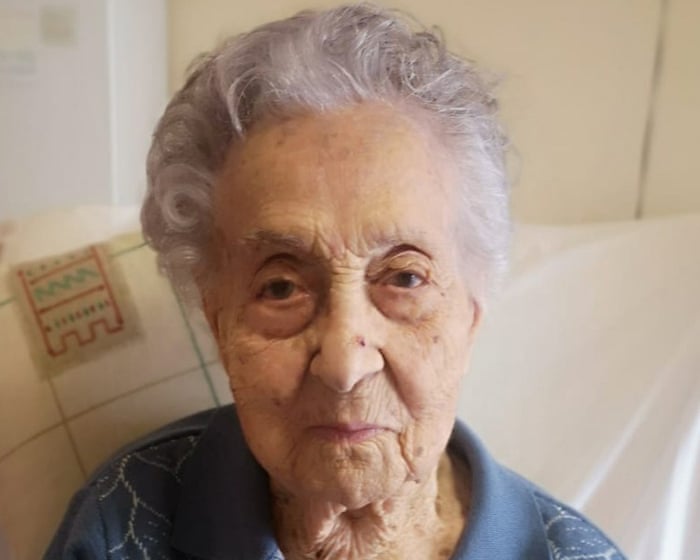
Spanske leger utførte omfattende tester på Maria Branyas Morera, som var verdens eldste person før hun døde i en alder av 117 år i fjor. De fant at selv om kroppen hennes viste tydelige tegn på fremskreden aldring, beskyttet flere biologiske faktorer henne mot sykdommene som vanligvis rammer mennesker i deres siste leveår.
"Det vanlige mønsteret er at vi blir sykere etter hvert som vi eldes, men hun var et unntak, og vi ville vite hvorfor," forklarte Dr. Manel Esteller fra Josep Carreras Leukaemia Research Institute i Barcelona. "For første gang har vi kunnet skille mellom å være gammel og å være syk."
Før sin død samtykket Branyas til å bli studert for å hjelpe til med å avdekke hemmelighetene bak hennes langvarige liv. Hun ble født i San Francisco i 1907, flyttet til Catalonia i 1915 og gjennomlevde to verdenskriger, den spanske borgerkrigen og COVID-19-pandemien, og hun overlevde viruset i en alder av 113 år.
Esteller og teamet hans analyserte blod-, spytt-, urin- og avføringsprøver samlet inn et år før Branyas døde for å lage en detaljert biologisk profil. De undersøkte genetikken hennes, genaktivitet, blodproteiner, metabolske biprodukter og mangfoldet av tarmbakteriene hennes.
Blant funnene oppdaget de at de beskyttende kappene på kromosomene hennes, kalt telomerer, var ekstremt korte – et tydelig tegn på cellulær aldring. Immunsystemet hennes viste også tegn på aldring og betennelse, og hun hadde mutasjoner som kan føre til leukemi.
Likevel var Branyas usedvanlig motstandsdyktig. Esteller påpekte at de svært korte telomerene hennes kan ha beskyttet henne mot kreft ved å begrense celledeling. Genetiske varianter hjalp også med å beskytte hjertet og hjernen hennes mot sykdom og demens. Hun hadde lav betennelse, noe som reduserte risikoen for kreft og diabetes, og en effektiv kolesterol- og fettstoffskifte. "Disse faktorene er avgjørende fordi de er knyttet til sykdommene som vanligvis rammer og til slutt tar livet av eldre mennesker," sa Esteller.
Ved å bruke epigenetiske klokker for å måle biologisk alder basert på genuttrykksmønstre, fant teamet ut at Branyas var biologisk 10 til 15 år yngre enn hennes kronologiske alder. Tarmmikrobiomet hennes var også usedvanlig ungt, med høye nivåer av gunstige bifidobakterier.
Men genetikken var ikke den eneste grunnen til hennes lange liv. Branyas opprettholdt en sunn vekt, spiste mye yoghurt, unngikk røyking og alkohol, og hadde et aktivt sosialliv med venner og familie i nærheten – alt som sannsynligvis bidro, sa Esteller.
Han håper at disse detaljerte dataene vil hjelpe forskere med å utvikle nye behandlinger for å holde mennesker sunne etter hvert som de eldes. Han sa: "Kanskje medisiner kan etterligne effektene av gode gener. Maria var velsignet med utmerkede gener fra foreldrene sine, men vi får ikke velge foreldrene våre."
Professor João Pedro de Magalhães fra University of Birmingham la til: "Å studere disse usedvanlig langlevede individene kan avsløre hvordan man kan aldres mer yndefullt. Hvis vi identifiserer de spesifikke genene knyttet til ekstrem lang levetid og sunn aldring, kan det avdekke mekanismene bak aldring og peke på mål for å utvikle behandlinger som hjelper alle med å leve lengre, sunnere liv."
Ofte stilte spørsmål
Selvfølgelig. Her er en liste over vanlige spørsmål om en superhundreåring som avslører sine hemmeligheter for et langt og sunt liv.
OSS: Superhundreåringers hemmeligheter for et langt liv
S1: Hva er egentlig en superhundreåring?
S: En superhundreåring er en person som har levd til hun eller han er 110 år eller eldre.
S2: Hva er de vanligste hemmelighetene de avslørte?
S: Selv om det varierer, inkluderer vanlige temaer ofte et positivt syn på livet, en sterk følelse av fellesskap, en enkel og mest plantebasert diett, å holde seg fysisk aktiv i hverdagen, og ikke å røyke eller drikke for mye.
S3: Handler det mest om genetikken?
S: Genetikk spiller en betydelig rolle for å nå en så ekstrem alder, men superhundreåringene selv understreker nesten alltid livsstil og holdning som nøklene til å forbli sunne så lenge.
S4: Fulgte de en spesifikk diett eller moteordning?
S: Vanligvis ikke. De spiste generelt enkle, hjemmelagde måltider, ofte fra sine egne hager. Måtehold var nøkkelen – de spiste til de var mette, ikke overfylte, og konsumerte svært lite bearbeidet mat.
S5: Hva slags trening drev de med?
S: Det var sjelden formell trening som å gå på treningssenter. I stedet holdt de seg aktive gjennom daglige gjøremål, hagearbeid, gange overalt, og å ha et formål som holdt dem i naturlig bevegelse.
S6: Hvor viktig var deres sosiale liv?
S: Ekstremt viktig. Sterke bånd med familie, venner og deres lokalsamfunn ble konsekvent fremhevet som avgjørende for mental og emosjonell trivsel, som direkte påvirker fysisk helse.
S7: Unngikk de leger og medisin?
S: Ikke nødvendigvis. Mange fikk moderne medisinsk behandling når det trengtes. Hemmeligheten er at deres sunne livsstil sannsynligvis forhindret mange kroniske sykdommer, så de trengte mindre intervensjon totalt sett.
S8: Hva kan jeg begynne med i dag for å leve et lengre, sunnere liv?
S: Fokuser på små, bærekraftige endringer: legg til flere grønnsaker i måltidene dine, ta en daglig tur, prioriter søvn, stell relasjonene dine og prøv å håndtere stress gjennom aktiviteter du liker.
S9: Hva er det viktigste å ta med seg fra deres råd?
S: At et langt, sunt liv ikke handler om en enkelt magisk pille, men om et konsekvent mønster av gode vaner, en positiv tankegang og å forbli tilknyttet andre.