Kuukausia ennen kuin hänen uusin kirjansa julkaistiin, Max Porter lähti lomalle Cillian Murphyn ja yhteisen ystävän kanssa. "Kerroin heille: 'Olen juuri saanut toisen romaanin valmiiksi'", Porter muistelee. "Ja he sanoivat: 'Mutta sinähän kirjoitit vasta yhden.' Vastasin: 'No, kirjoitan ne nopeasti ja sitten editoiden hitaasti.'" Hän päätti lukea kirjan ääneen, antaen heille ensimmäisen vilkaisun teini-ikäisen rikollisen nimeltä Shyn sekavaan mieleen. Shy asuu "raunioituneessa vanhassa kartanossa, joka on muutettu poikakouluksi erämaan keskelle."
Murphysta ja Porterista oli tullut läheisiä ystäviä sen jälkeen, kun Murphy oli näytellyt Porterin debyyttinovellin Grief Is the Thing With Feathers teatrisovituksessa. Porter ei etsinyt uutta yhteistyötä. "Itse asiassa ajattelin, että tämä kirja on soveltumaton sovitettavaksi, koska se on kuin sääjärjestelmä Shyn pään sisällä", Porter sanoo. "Olin myös hieman huolissani siitä, että kaikki työni muutettaisiin sovituksiksi."
Kaksi vuotta myöhemmin Shy julkaistiin. Sillä välin Murphy oli perustanut oman filmiyhtiönsä, Big Thingsin, ja yritti "keksiä projektia" sen palkitun ensimmäisen elokuvan, Small Things Like These -elokuvan, jälkeen. Kyseinen elokuva käsitteli Irlannissa aviottomille äideille tarkoitettujen kirkon johtamien kotejen väkivaltaa. "Max ja minä puhumme koko ajan", Murphy sanoo. Molemmilla on poikia. Murphy tulee opettajien perheestä, ja Porter opettaa osa-aikaisesti vankiloissa ja vietti osan koronarajoituksista ohjatessaan koulusta erotettuja poikia. He päättivät halustaan luoda jotain hoivan ja huolenpidon aiheesta. "Siinä vaiheessa ei ollut kyse nimenomaisesti maskuliinisuudesta", Porter selittää, "vaan jostain huolenpidon järjestelmään liittyvästä."
Oli vain yksi ongelma. "Vaikka rakastankin Shy-kirjana", Murphy sanoo, "ymmärsin sen olevan soveltumaton sovitettavaksi." Kuitenkin romaanissa esiintyi pieni sivuhenkilö nimeltä Steve, rehtori. "Sitten", Porter jatkaa, "ehdotin: 'Mitä jos keskittyisimme Steveen ja jättäisimme kirjan taaksemme?' Joten aloitin täysin alusta."
Tuloksena on voimakas, ekspressionistinen tarina, joka sijoittuu 1990-luvun viimeisen mahdollisuuden kouluun, jossa ylityöllistetty ja alipalkattu henkilökunta yrittää auttaa yhteiskunnan hylkäämiä poikia. Se on sekä raivokas kritiikki rikkinäistä järjestelmää kohtaan – jota aiemmat toriolaisten budjettileikkaukset olivat vakavasti vahingoittaneet – että osoitus siitä, miksi Shyn kaltaiset teinit ovat pelastamisen arvoisia huolimatta usein kamalasta käytöksestään. Esimerkiksi Shy on ilkivaltaa tehnyt kaupassa, törmännyt autoon, puukottanut isäpuolensa sormea ja murtautunut toisen nenän.
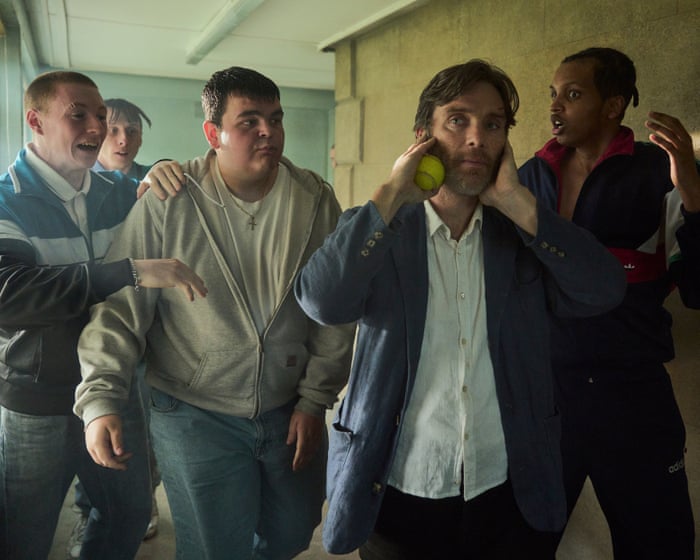
Porter kirjoitti käsikirjoituksen itse – hänen ensimmäisensä – ja Murphy näytteli piinatun rehtorin roolin, joka hoitaa ryhmää kurittomia poikia. Elokuvassa on myös kolme naishahmoa: kova mutta välittävä vararehtori, opinto-ohjaaja ja ujo uusi työntekijä. Pian Tracey Ullman, Emily Watson ja Simbiatu Ajikawo (alias Little Simz) olivat liittyneet näyttelijäkaartiin.
Oppilaiden roolitukset olivat suurempi tehtävä. "Näimme 3500 lasta", Murphy sanoo. Yksi näyttelijä erottui Shyn rooliin: Jay Lycurgo, joka syntyi vuonna 1998, kaksi vuotta elokuvan tapahtumien jälkeen. 1990-luvun puolivälissä hänen isänsä pelasi Manchester Unitedissa mutta työskenteli myöhemmin oppilaanohjauksessa. "Kun sain sähköpostin koe-esiintymisestä", Lycurgo sanoo, "kysyin isältäni, voisinko vierailla hänen luonaan. Menin hänen toimistoonsa ja päädyin viettämään muutaman viikon tarkkailemalla kouluissa."
Haastattelen heitä kaikkia hotellihuoneiden sokkeloissa Lontoon ensi-illan aamuna elokuvasta Steve. Muutama päivä on ollut kiireinen, hyvin vastaanotetuilla ensi-illoilla myös Torontossa ja Corkissa. "Draama täynnä raakaa energiaa ja kuoleman varjoa..." Tämän lehden Peter Bradshaw kuvaili elokuvaa "brutaaliksi sekasorrokseksi emotionaalisesta kivusta, leikattuna oudoilla mustan huumorin viilloilla." Varietyn Peter Debruge ylisti sitä "syvästi liikuttavaksi ja loistavasti näytellyksi karkeahkoksi timantiksi."
Kirjailija Max Porter, näyttelijä Cillian Murphy ja ohjaaja Tim Mielants haastatellaan erikseen, näyttäen väsyneiltä. Rebecca Ullman on huonovointinen yläkerrassa, mutta näyttelijät Jay Lycurgo ja Simbiatu "Little Simz" Ajikawo ovat yhdessä, täynnä energiaa ja vitsailemassa. Heitä huvittaa huomata, että molemmat epäonnistuivat pääsemisessä Brit Schooliin. Ajikawo ei edes saanut koe-esiintymistä, kun taas Lycurgo muistaa mokanneensa draamallisen puheensa, jonka oli valmistellut GCSE-koettaan varten. "En päässyt sisään, koska luulin näyttelemisen olevan vain itkemistä", hän myöntää.
Tarina käydään läpi yhden päivän aikana ja se kuvattiin järjestyksessä 29 päivän aikana, kahden viikon harjoitusten jälkeen nuorten näyttelijöiden luodakseen yhteenkuuluvuutta. Mielants, joka on belgialainen ja puhuu metaforoin, viimeisteli Small Things Like These -elokuvan jälkituotantoa, kun hän sai Porterin käsikirjoituksen. Hän huomauttaa suuresta kontrastista: kun Small Things -elokuvassa oli vähää dialogia hiljaisuuden päällä, Porter rakensi "sanain katedraalin jäävuoren päälle", mikä aluksi pelotti häntä.
Mielants kertoo, että hänen oma keski-iän kriisinsä, jonka laukaisi isän Alzheimer ja veljen kuolema, auttoi häntä yhdistämään materiaaliin. 1990-luvun perhevideoihin palaaminen sai hänet arvostamaan ihmisten suoran kamerapuheen voimaa. Tämä innosti elokuvan raakaan, käsikameratyyliin ja käytäntöön, jossa jokainen hahmo kuvaa itsensä kolmella sanalla kameran edessä. Vaikka pojat ovat energisiä, Murphyn hahmo Steve on emotionaalinen ja sanaton. "Katson häntä sen sijaan, että yrittäisin ymmärtää häntä", Mielants sanoo, "ja sieltä surreaalisuus palaa takaisin."
Elokuva kunnioittaa 1990-luvun monipuolisia musiikkityylejä. Mielants muistelee Porterin lähettäneen hänelle soittolistoja, joten hän teki kuvauskäsikirjoituksia kuunnellessaan drum'n'bassia, joka ei ollut hänen tavallista makuaan. Musiikki auttoi häntä visualisoimaan hahmojen sisäistä maailmaa, kaappaamaan teini-ikäisen intensiivisen energian ja tunteet vuonna 1996.
Murphy ehdotti kuvattavista peräkkäin lyhyen ajan sisällä, inspiroituneena kokemuksestaan työskennellessään Ken Loachin kanssa. Normaalisti hän valmistautuu intensiivisesti kuukausia, mutta tähän rooliin hän ammensi omasta lapsuudestaan opettajien poikana ja joskus ongelmallisena oppilaana. Kuvausjärjestyksessä ampuminen antoi hänen ilmentää Steven jatkuvaa kamppailua – alirahoitettuna, univajauksesta kärsivänä ja tuskin pitävänä asioita kasassa – ilman liiallista valmistautumista.
Pinnan alla elokuva tutkii 1990-luvun puolivälin ja nykyhetken rinnastuksia ja kontrasteja. Vaikka tekniikat kuten nauhuri ja Walkman tuntuvat vanhanaikaisilta, ongelmat kuten alirahoitetut huolenpidon järjestelmät ja nuorten miesten leimaaminen pysyvät ajankohtaisina. "Toivottavasti tämä korostaa, että näiden lasten kohtaamat ongelmat ovat elinikäisiä", Murphy sanoo. "Ne olivat olemassa ennen tekniikkaa, internetiä ja sosiaalista mediaa. Nämä kehitysaskeleet ovat vain pahentaneet niitä."
Teini-ikäiset pojat vaikuttavat usein helposti hylättäviltä. "Mielestäni he ovat helppo kohde, sekä tilastollisesti että ideologisesti. Ja ehdottomasti Irlannissa ja Isossa-Britanniassa nuorten miesten itsemurhaluvut ovat traagisesti ja hämmästyttävän korkeita", hän lisää. Vaikka Lycurgo ei henkilökohtaisesti vaikukaan lainkaan Shyn kaltaiselta ongelmaiselta hahmolta, hän ymmärtää täsmälleen, mitä Murphy tarkoittaa. "Käsittelen mielenterveyttä joka päivä omien henkilökohtaisten kamppailujeni kautta", hän sanoo.
Koulussa Lycurgo oli röyhkeä ja helposti häiriintyvä, kiinnostuneempi jalkapallosta kuin opiskelusta. Vasta 19-vuotiaana hän huomasi kärsivänsä dysleksiasta ja tajusi, että olisi voinut hyötyä sellaisesta henkilökohtaisesta tuesta, jota näki isänsä ohjausyksiköissä. Läpimurto Shyn näyttelemisessä tuli, kun hän ymmärsi voivansa käyttää omaa haavoittuvuuttaan. "Tunsin, että se oli osa minua, jonka piti vain näyttää kaikille. Joten kyse ei niinkään ollut: 'Minulla on tämä hahmo', vaan enemmän: 'Okei, miten voin käyttää tätä kunnioittaakseni Shyä ja materiaalia?'"
Siihen mennessä kun Ullman ja Ajikawo saapuivat kuvauspaikalle, poikia näytelleet näyttelijät olivat jo luoneet yhteenkuuluvuutta äänekkäällä, energisellä tavalla. "He olivat niin villejä ja vihamielisiä, että mietin, mihin olen itseni saattanut", Ullman sanoo. "Mutta isoäitinä ymmärrän sen poikamaisen energian ja heidän taustalla olevan haavoittuvuuden. Aloin nauttia siitä. Loppuun mennessä neuloin jopa tossuja yhdelle heistä, joka oli juuri tullut isäksi."
Ajikawo kohtasi lisähaasteen tasapainotellessaan harjoitusten ja valmistautumisen välillä esiintymiseensä Coldplayn kanssa Glastonburyn Pyramid-lavalla, joka oli suunniteltu viikonlopulle kuvauksen päätyttyä. Vaikka henkilökohtaisesti hän on tyylikäs ja selkeäsanainen, elokuvassa hän näyttelee tavallista, ujoa hahmoa. "Missasin työpajat", hän sanoo, "mikä mielestäni toimi hyvin ja tuntui aidolta rooliini – koska olen tarinassa uusi koulussa."
Toisessa identiteetissään Little Simzinä hän kirjoitti kappaleen elokuvaan. "Halusin sen tuntuvan 90-luvun hitiltä, hetkillä hellyyttä", hän sanoo. "Mutta Shy rakastaa jungle-musiikkia, joten sisällytimme myös hienoja beattejä." Kappaleen nimi on "Don’t Leave Too Soon". Katsoessaan elokuvan varhaisia leikkauksia hän tajusi, että sen ytimessä on kilpailu pelastaa Shy itseltään. Hän katsoo lämpimästi näyttelijää, joka toi tarinan eloon, ja kertoo hänelle: "Kappaleessa sanoin: 'Haluat tulla nähdyksi, ja minä näen sinut.' Se on rakkauskirje sinulle." Tämä tunne sopii elokuvan osuvana yhteenvetona. Shy on nyt elokuvateattereissa ja saatavilla Netflixissä 3. lokakuuta alkaen.
Usein Kysytyt Kysymykset
Tietysti Tässä on luettelo UKK:ista heistä Täysin villi Cillian Murphy Tracey Ullman ja näyttelijäkaarti keskustelevat intensiivisestä kouludraamasta Steve
Yleiset Kysymykset
K Mikä on Steve
V Steve on intensiivinen kouludraama, jossa jälki-istunto kiihtyy dramaattisesti, johtaen oppilaan nenän murtumiseen
K Keitä ovat Steve-elokuvan päähenkilöt
V Päänäyttelijöihin kuuluvat Cillian Murphy ja Tracey Ullman, jotka ovat keskustelleet elokuvan intensiivisyydestä
K Mitä "He olivat täysin villejä" tarkoittaa
V Tämä on lainaus näyttelijäkaartilta, joka kuvaa kohtausten intensiivistä ja arvaamatonta luonnetta tai hahmojen käyttäytymistä elokuvassa Steve
Tarinasta ja Teemoista
K Mikä on pääkonflikti Steve-elokuvassa
V Keskeinen konflikti keskittyy jälki-istuntoon, joka karkaa hallinnasta, johtaen väkivaltaiseen tapaukseen - murtuneeseen nenään - korostaen taustalla olevia jännitteitä oppilaiden ja auktoriteetin välillä
K Perustuuko Steve tositapahtumiin
V UKK:t eivät tarkenna, perustuuko se tositapahtumiin. Se esitetään draamallisena koulutarina.
K Mitkä ovat draaman pääteemat
V Elokuva tutkii teemoja kuten kapina, auktoriteetin seuraukset, teini-ikäinen ahdistus ja kuinka yksittäinen hetki voi purkautua väkivaltaan
Näyttelijäkaartista ja Tuotannosta
K Mitä rooleja Cillian Murphy ja Tracey Ullman näyttelevät
V Vaikka tarkkoja rooleja ei täällä yksityiskohdoid