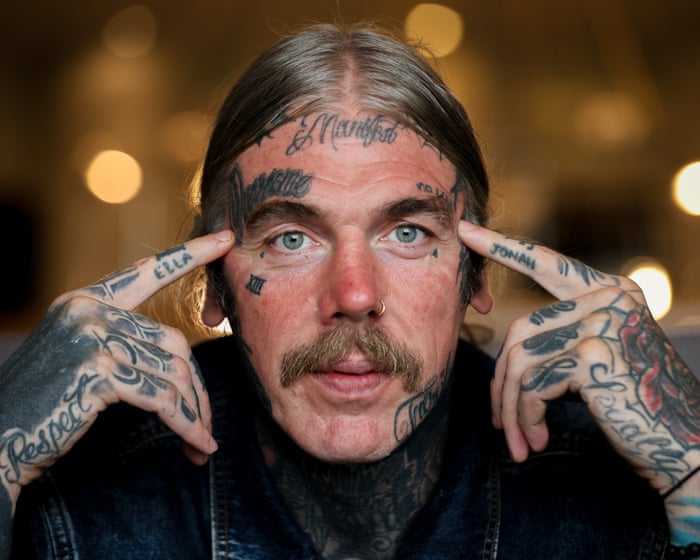
«بیخیال،» رایان کالدول وقتی میپرسم واژهای که روی انگشتانش خالکوبی شده چه معنی دارد، میگوید. او در یک صبح بارانی در بلفاست از روی دستانش نگاه میکند. بازیکن سابق تیم ملی ایرلند که بهعنوان یک مهاجم قدرتمند برای تیمهای اولستر، باث و اکستر بازی میکرد، سپس بهآرامی میخندد و تأیید میکند که این واژه چقدر عجیب به نظر میرسد.
ما تقریباً دو ساعت درباره موضوعات سنگین و تاریک زیادی صحبت کردهایم – از مبارزاتش با اعتیاد و دوران زندان، تا دوران پر از مصدومیت حرفهای راگبیاش، و ضربه مغزی شدید نهایی که به دوران بازیاش پایان داد و او را عمیقتر به افسردگی همراه با افکار خودکشی فرو برد.
کالدول همچنین به من گفته است که چگونه پس از رفتن به جنگلهای آمازون و مصرف اولین دوز از چندین نوبت آیاهواسکا، یک ماده توهمزای گیاهی، بهتدریج خود را درمان کرده است. او اکنون با گوش دادن به مشکلات دیگران و آموزش تکنیکهای تنفس و مدیتیشن به آنها کمک میکند.
«میدانم، میدانم،» کالدول با کنایه میگوید وقتی اشاره میکنم که «بیخیال» واضحترین واژه برای کسی با داستان پر از مشکل، هرچند در نهایت الهامبخش، نیست.
کالدول ۲ متر و ۱ سانتیمتر قد دارد و بدنش پر از خالکوبی است، اما این مرد بزرگ که سهشنبه ۴۲ ساله میشود، همراهی ملایم و اغلب سرگرمکننده است. این بازیکن سابق خط دوم همچنین در آستانه انتشار کتابی به نام خطوط سفید: یک زندگی راگبی شکسته و بازسازیشده است که ممکن است بهسادگی بهترین زندگینامه ورزشی سال باشد. این کتاب خواندنی جذاب و پر از بینشهای تلخ درباره راگبی حرفهای و زندگی است.
اما نزدیک به پایان مصاحبه جذاب ما، میخواهم بیشتر درباره جوهر آبی که بخش زیادی از صورت و بدنش را پوشانده بشنوم. «اولین خالکوبی وقتی ۱۸ سالم بود انجام شد،» کالدول به یاد میآورد. «سانسکریت بود برای "قدرت". مادرم گریه کرد و من گفتم: "اوه، مامان، این فقط روی پوست است."»
مشاهده تصویر در اندازه کامل: رایان کالدول درباره خالکوبیهایش میگوید: «آنها تقریباً یک چیز هستند. بیشتر بدنم خالکوبی شده … آنها فقط بخشی از من هستند.» عکس: پل فیت/گاردین
چند خالکوبی دارد؟ «آنها تقریباً یک چیز هستند. چند فاصله کوچک اینجا و آنجا، اما بیشتر بدنم خالکوبی شده. دیگر هیچ کدام نمیخواهم و چند سالی است که هیچ کدام نزدهام. اما آنها فقط بخشی از من هستند.»
کلمات «بدون عشق» بالای یکی از ابروهایش خالکوبی شده که عجیب به نظر میرسد زیرا زندگی کالدول پر از عشق از سوی خانوادهاش بوده است. «وقتی آن خالکوبی را زدم، احساس بسیار بدی داشتم و هیچ عشقی به خودم نداشتم. در آن حالت، دیدن عشقی که دیگران به تو دارند سخت است.»
در کودکی، کالدول عاشق راگبی اتحاد شد زیرا «احساس وحشی و زنده بودن میداد، و من هم همینطور بودم». او عاشق فیزیکال بودن شدید بازی و آزادیای بود که برای کوبیدن به بازیکنان دیگر به او میداد.
اما در طول ظهورش بهعنوان یک نابغه دوران مدرسه، و سپس در حالی که بهصورت حرفهای برای اولستر بازی میکرد، راگبی به کالدول باوراند که نشان دادن هرگونه ناامنی یا آسیبپذیری اشتباه است. او مردی سرسخت بود که فقط وقتی دست به انواع کارهای مستانه و مسخره میزد کمروییاش را از دست میداد، جایی که تلاش برای بلند و بامزه بودن با همتیمیهایش مهمتر از اصیل و صادق بودن بود.
کالدول مینویسد که «با وجود ظاهر سرسخت، من روحی حساس داشتم. چیزها را خیلی عمیق حس میکردم. فقط وقتی به گذشته نگاه میکنم میبینم که زبانی برای احساساتم نداشتم.»
او فقط دو بازی ملی کامل انجام داد – نه آن تعداد زیادی که وقتی نیروی قدرتمندی در راگبی جوانان بود پیشبینی میشد. کالدول احتمالاً بیشتر به خاطر حادثهای در طول یک جلسه تمرینی در آمادهسازی برای جام جهانی ۲۰۰۷ شناخته میشود، وقتی پل اوکانل و کاپیتان آینده ایرلند و شیرها را ناراحت کرد و او چنان محکم به او مشت زد که، همانطور که در کتابش ادعا میکند، «تقریباً مردم … از حال رفتم. مشت گونهام را شکافته بود – یکی از دندانهای عقبم مستقیم از آن عبور کرده بود. خون میبلعیدم، صداهای غرغر میکردم و سپس روی زمین شروع به تشنج کردم. نفس کشیدنم قطع شد. تقریباً رفته بودم. مجبور شدند همانجا روی چمن احیایم کنند. گری اودریسکول، پزشک تیم، دواندوان آمد و پیراهن را باز کرد. فلاشهایی از صورتش را به یاد میآورم – وحشت در چشمانش – دستانش که فشار میدادند…» با زانوی کسی روی سینهام بیدار شدم. کسی فریاد میزد آمبولانس بیاورند. هرج و مرج کامل بود.
کالدول هیچ کینهای از اوکانل ندارد، که عمیقاً از کاری که کرده بود شوکه شده بود و بعدها آن را بدترین لحظه دوران راگبیاش نامید. اما در آن زمان، کالدول سعی کرد طوری رفتار کند که انگار هیچ اتفاقی نیفتاده است.
کتاب او همچنین درباره تجربههای دردناک دیگری با تیم ملی صحبت میکند. او توصیف میکند که چقدر خوشحال بود وقتی سرمربی دکلان کیدنی به او گفت برای بازی با نیوزیلند در نوامبر ۲۰۰۸ انتخاب شده است. کالدول حالا با grimace به یاد میآورد که دو روز بعد، کیدنی با او تماس گرفت تا بگوید نامش به اشتباه اعلام شده است. او از فهرست تیم حذف شد.
کالدول ویران شده بود اما میگوید: «من هنوز بیتجربه بودم، بنابراین از او در این باره سؤال نکردم.»
او در سال ۲۰۱۱ از اولستر به باث نقل مکان کرد و آنقدر خوب بازی کرد که کیدنی تماس گرفت و گفت دوباره در رقابت است. چند روز بعد، طبق گفته کالدول، کیدنی دوباره تلفن کرد تا بگوید در واقع نمیتواند انتخاب شود زیرا خارج از ایرلند بازی میکند.
کالدول که «واقعاً رنجیدهخاطر» بود، بهعنوان بهترین بازیکن خط باث در آن فصل انتخاب شد – اما سپس مصدومیت ضربه زد. طولی نکشید که در حالی که با فروپاشی ازدواجش و مصدومیتهای مداوم دست و پنجه نرم میکرد، «همه چیز در باث شروع به از هم پاشیدن کرد.» کالدول شروع به مصرف کوکائین کرد و بهزودی آنقدر زیاد مصرف میکرد که فروشنده شخصی خودش را داشت.
مشاهده تصویر در اندازه کامل
رایان کالدول در حال بازی برای باث مقابل ووستر در سال ۲۰۱۲. «صبحها حتی نمیتوانستم جورابهایم را بپوشم. و روز شنبه میدویدم، تکل میزدم، به رکها میزدم،» او میگوید. عکس: دیوید راجرز/گتی ایمجز
اگر مصدومیت جلوی او را نمیگرفت، آیا ممکن بود از تاریکیای که بر او چیره شد اجتناب کند؟ «نمیدانم،» میگوید. «راستش را بخواهید، من با زمان قرضی زندگی میکردم. تا وقتی به باث رسیدم، لگنم دائماً درد میکرد. در فصل دومم جراحی کردم و جراح گفت: "نمیدانم تو چطور ورزش حرفهای بازی میکنی." در چند سال آخر، صبحها حتی نمیتوانستم جورابهایم را بپوشم. و هنوز روزهای شنبه میدویدم، تکل میزدم، به رکها میزدم.»
در باث و سپس اکستر، او با وجود درد ادامه داد و تزریقها به او اجازه میدادند به بازی ادامه دهد. «همیشه میخواستم بازی کنم – و این فرهنگ راگبی بود. یک پزشک از روزهای اولم را به یاد میآورم. گفتم: "دکتر، واقعاً دارم تقلا میکنم. زانویم دارد مرا میکشد." او گفت: "این قرصهای سختباش بگیر."»
همانطور که مصدومیتهایش بدتر میشد، مصرف موادش – کوکائین و دیگر مواد – نیز افزایش مییافت. کالدول شرمنده به من میگوید که راب بکستر، مربیاش در اکستر، ممکن است او را در حال کشیدن کوکائین در یک غرفه توالت دیده باشد. «فکر کردم: "خدایا، آیا او متوجه شد؟ حتماً شده." یادم میآید سیفون را کشیدم و راب آنجا ایستاده بود. گفتم: "سلام، راب؟" و او گفت: "سلام؟" من فقط بیرون رفتم.»
رد شدن از خبرنامه تبلیغاتی
خبرنامه رایگان | هفتگی
ثبتنام در The Breakdown
آخرین اخبار و تحلیلهای راگبی اتحاد، به همراه بررسی تمام بازیهای هفته
ایمیل خود را وارد کنید ثبتنام
بعد از خبرنامه تبلیغاتی
بکستر درککننده و مهربان بود وقتی کالدول سرانجام در سال ۲۰۱۴، در سن ۳۰ سالگی، پس از ضربه مغزیای که نمیتوانست از آن رها شود، بازنشسته شد. کالدول مکث میکند وقتی میپرسم چند ضربه مغزی داشته است. «گفتنش سخت است. زمانهایی بود که کاملاً از حال میرفتم، اما ضربههای سر زیادی هم بود. آخرین ضربه مغزی، وقتی بازنشسته شدم، متفاوت بود. افسردگی سنگینی شروع شد. به یک متخصص در بلفاست رفتم و او چند آزمایش انجام داد و به من گفت: "تو نباید راگبی بازی کنی." میدانستم تمام شده است.»
اثرات آن ضربه مغزی چقدر طول کشید؟ «آن احساس مهآلود را ماهها داشتم. حتی حالا، حافظهام چندان خوب نیست.»
کالدول از اقدام قانونی که بسیاری از بازیکنان علیه مقامات راگبی انجام دادهاند اطلاع دارد، اما «من روی کارهای مثبتی که الان انجام میدهم متمرکزم. دنبال غرامت رفتن انرژی ذهنی زیادی میگیرد و کمی با زندگی فعلیام هماهنگ نیست.
رایان کالدول در دوران حضورش در اکستر در سال ۲۰۱۴. او نگران است که راب بکستر او را در حال مصرف کوکائین در دوران حضورش در چیفس دیده باشد. عکس: دیوید راجرز/گتی ایمجز
او راه طولانی را از روزهایی که به مادر رنجکشیدهاش میگفت، در حالی که اشک از صورتش جاری بود، «ای کاش هرگز بازیکن راگبی نمیشدم. ای کاش زندگی معمولی داشتم»، آمده است.
کالدول راگبی را مقصر این واقعیت نمیداند که «لگنهایش خراب شده، مغزش از ضربههای زیاد به سر به هم ریخته» و دو بار به زندان ماگهبری در نزدیکی لیسبورن فرستاده شده بهخاطر داشتن مواد مخدر و ایجاد خسارت جنایی در حالی که برای رانندگی مناسب نبوده. او یک بار دیگر، برای بار دوم، در سلولش به خودکشی نزدیک شد و فقط با آمدن یک نگهبان زندان که برای چک کردن او آمده بود نجات یافت. اگر آن مرد به روال معمولش پایبند میماند، کالدول تا وقتی او میرسید مرده بود.
پدی جانز، بازیکن سابق تیم ملی ایرلند که کالدول در کودکی او را میپرستید، دندانپزشک زندان بود که به او کمک کرد. اما فقط وقتی یک معتاد سعی کرد او را با هروئین آشنا کند کالدول تصمیم گرفت «بس است دیگر». او قدم رادیکالی برداشت و به جنگلهای آمازون رفت و با همه آنچه شده بود از طریق آیاهواسکا روبرو شد.
سالها طول کشیده، اما سرانجام، کالدول آرامش و هدفی جدید در کارش یافته است. «در چند ماه گذشته، برای مثال، با زنانی که یائسگی را تجربه میکنند، افرادی که با غم، افسردگی و اضطراب دست و پنجه نرم میکنند کار کردهام. من به مردم با طب طبیعی و تمرینهای تنفسی، مدیتیشن کمک میکنم و جایی به آنها میدهم که احساس امنیت کافی برای صحبت کردن داشته باشند. اما هسته اصلی کاری که میکنم برگزاری کارگاههای سه و چهار روزه است که در آنها از زندگی روزمره و گوشیشان جدا میشوند و درباره همه چیزهایی که اینجا دربارهاش صحبت میکنیم گفتگو میکنیم.»
کالدول همچنین رابطهاش با والدینش را ترمیم کرده است. آنها اخیراً برای شام با او و شریکش، تارا، و دو فرزندشان آمده بودند. او به هر کدام از آنها یک نسخه از کتابش داد و همانطور که کالدول حالا میگوید، «وقتی داشت میرفت پدرم گفت: "دوستت دارم!" او در دوران بزرگ شدنم هرگز این را نمیگفت. او و مادرم خیلی بیشتر راحت هستند چون قبلاً دائماً نگران من بودند.»
رایان کالدول در حلقه جاینت در بلفاست. «رابطهام با والدینم بهتر از همیشه است،» او میگوید. عکس: پل فیت/گاردین
او لبخند کنایهآمیزی میزند. «پدرم ۷۳ ساله است و مادرم ۷۰ ساله. ما در تعطیلات در پرتغال بودیم و من چند قارچ جادویی آورده بودم. من خیلی با آنها روراست هستم و وقتی مادرم گفت: "اگر یکی بخورم چه تأثیری روی من میگذارد؟" به او گفتم: "افکارت را کند میکند، بهت اجازه میدهد راحتتر باشی." او گفت: "شاید یکی بخورم. بیا از پدرت بپرسیم." و بعد گفت: "سیریل!" پدرم آمد و او گفت: "یکی از اینها را بخوریم؟"»
کالدول از خنده تکان میخورد. والدینش همیشه محافظهکار و سختکوش بودهاند و بنابراین او فقط به آنها «یک میکرودوز کوچک» داد. «آنها فقط آنجا دراز کشیده بودند، پدرم فرمول یک تماشا میکرد و مادرم از تخت طبقه بالا دو شست بالا به من نشان داد. هرگز آنها را اینقدر آرام ندیده بودم. رابطه ما حالا بهتر از همیشه است.»
رابطه او با راگبی نیز شروع به التیام کرده است. دسامبر گذشته به تماشای بازی اولستر مقابل راسینگ در ریونهیل رفت و کشف کرد که «من هنوز بخشی از این هستم. و این هنوز بخشی از من است. آره. عشق باقی مانده است.»
کالدول ممکن است زمانی احساس آسیب روحی کرده باشد اما حالا میگوید، با صدایی که تقریباً بیخیال به نظر میرسد: «من این آرامش زیرین را دارم حتی وقتی چالشهایی در زندگی وجود دارد. چیزهای مادی زیادی ندارم اما هرگز احساس ثروتمندی به اندازه الان نداشتهام. میتوانم ببینم که تمام تجربهای که از سر گذراندم کاملاً مرا فروتن کرده است. باید اتفاق میافتاد تا بتوانم زندگیای را که حالا دارم پیدا کنم.»
در بریتانیا و ایرلند، سامریها را میتوان با شماره رایگان ۱۱۶ ۱۲۳ تماس گرفت. در آمریکا، میتوانید با شماره ۹۸۸ با خط ملی پیشگیری از خودکشی تماس بگیرید یا پیامک دهید. با 988lifeline.org تماس بگیرید یا چت کنید، یا برای رسیدن به یک مشاور بحران به شماره ۷۴۱۷۴۱ پیامک HOME بدهید. در استرالیا، میتوانید با لایفلاین با شماره ۱۳ ۱۱ ۱۴ تماس بگیرید. برای خطوط کمک در کشورهای دیگر، به befrienders.org مراجعه کنید.
سؤالات متداول
در اینجا فهرستی از سؤالات متداول بر اساس مقاله درباره رایان کالدول به زبان طبیعی با پاسخهای واضح و ساده آورده شده است
پیشینه عمومی
۱ رایان کالدول کیست
او یک بازیکن سابق راگبی حرفهای از ایرلند است او برای تیمهایی مانند اولستر و باث بازی کرد و همچنین نماینده ایرلند در سطح بینالمللی بود
۲ دقیقاً چه اتفاقی برای او افتاد
پس از بازنشستگی از راگبی او به یک دوره بسیار تاریک افتاد او با افسردگی شدید اضطراب و فروپاشی دست و پنجه نرم کرد آنقدر بد شد که احساس میکرد هیچ عشقی به خودش ندارد و به نقطهای رسید که به پایان دادن به زندگیاش فکر میکرد
۳ بازگشت از لبه پرتگاه در این زمینه به چه معناست
یعنی او خودش را از لبه خودکشی به عقب کشید او از حالتی از ناامیدی کامل و نفرت از خود به جایی رسید که احساس آرامش میکند و دلیلی برای زندگی دارد
۴ آیا این داستان اخیر است
بله او در مصاحبههای اخیر و در شبکههای اجتماعی بسیار درباره این سفر صحبت کرده است و داستانش را برای کمک به دیگرانی که ممکن است درگیر باشند به اشتراک میگذارد
سفر سلامت روان
۵ چه چیزی باعث مشکلات سلامت روان او شد
یک چیز واحد نبود ترکیبی از چیزها بود از دست دادن ناگهانی هویت وقتی دوران راگبیاش تمام شد درد فیزیکی از سالها مصدومیت و فشار ناشی از ندانستن اینکه با زندگیاش چه کند
۶ نقطه عطف برای او چه بود
او متوجه شد که نمیتواند به همین شکل ادامه دهد او سرانجام پذیرفت که به کمک حرفهای نیاز دارد و شروع به باز کردن دلش با مردم کرد به جای پنهان کردن دردش آن اولین قدم بود
۷ چه نوع کمکی دریافت کرد
او به دنبال کمک حرفهای رفت که شامل درمان و دارو بود او همچنین سبک زندگیاش را تغییر داد و روی سلامت جسمیاش خانوادهاش و یافتن هدفی جدید خارج از راگبی تمرکز کرد
۸ او میگوید حالا آرامش دارد این برای او چه معنی دارد
یعنی او دیگر با یک جنگ داخلی مداوم نمیجنگد او گذشتهاش را پذیرفته در پوست خودش راحت است و دیگر آن احساس نفرت از خود را ندارد این یک حس آرامش است
توصیههای عملی و نکات کلیدی
۹ پیام اصلی که او میخواهد منتقل کند چیست
اینکه اشکالی ندارد حال خوبی نداشته باشی و اینکه درخواست کمک نشانه قدرت است نه ضعف او به ویژه مردان و ورزشکاران را تشویق میکند