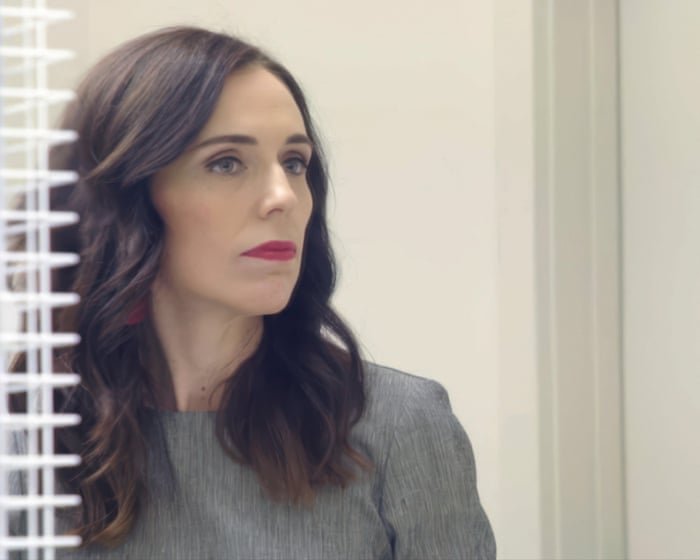
The camera captures Jacinda Ardern in her pajamas, looking tired and worn out. It shows her wiping crumbs off the counter, breastfeeding, and juggling a phone call while rescuing something her toddler has grabbed from her desk. These are moments many overwhelmed working parents will relate to, but at the time, she was New Zealand’s prime minister. These home videos, originally filmed by her husband for family, have been turned into a documentary set to premiere in British cinemas this December.
“Prime Minister,” the film, is part of Ardern’s effort to encourage politicians to reclaim their humanity. This means the public accepting that leaders face the same personal challenges as everyone else—and sometimes handle them just as messily. Her recent memoir, “A Different Kind of Power,” conveyed a similar message, as did her time in office. The need for this understanding has grown more urgent with the rise of violent threats and abuse directed at public figures, as if being elected strips them of their human qualities.
Of course, politicians are only human: they get sick, care for children or aging parents, make mistakes, and need breaks. (Though, as Boris Johnson might note, that doesn’t justify taking a leisurely motorcycle ride with his wife during a critical moment in pandemic preparation.) Without the understanding Ardern advocates, leadership roles would be limited to robots or sociopaths, which benefits no one.
Yet, there’s a lingering suspicion that in politics, “being human” can be used to seek forgiveness or divert attention from controversial issues to more personal, disarming stories. It’s hard to stay angry at someone you’ve seen soothing a baby while working, as Ardern does in the film. But what if there are valid reasons for anger? And during a crisis demanding extraordinary efforts, should politicians still be allowed to appear endearingly human?
Both Keir Starmer and Rachel Reeves, though typically private, have shown glimpses of their personal sides ahead of a challenging budget. Starmer wrote a heartfelt open letter to his teenage son for International Men’s Day, while Reeves expressed frustration at male columnists explaining economics to her. These moves seem aimed at making them more relatable and perhaps shielding them from criticism.
However, those struggling financially may not have much sympathy for those in charge of the economy. Even Ardern’s film, which won an audience award at Sundance, has faced criticism in New Zealand for glossing over her actual achievements in office, despite her emphasis on kindness and empathy.
For a more objective look at her record, New Zealand’s royal commission on pandemic lessons released its first report this summer. Compared to the harsh assessment of Boris Johnson’s government as “too little, too late,” Ardern’s handling of the pandemic shines. Her “be strong and be kind” approach, which included early border closures to control the virus, was deemed effective in public health terms, delaying infections until vaccines were available and allowing the country to fare better.New Zealanders spent less time in strict lockdowns than many others worldwide.
Remember when having women in power was supposed to change everything? | Gaby Hinsliff
However, the report also highlighted that strict quarantine rules, which barred non-citizens for nearly two years and left even New Zealanders unsure about their ability to return if they left, stranded international students and separated families. This caused lasting psychological distress for some. The inquiry found that Jacinda Ardern’s mandate for vaccination in certain jobs and social settings was reasonable for public health, but it led to job losses for some who refused the vaccine and left others feeling socially excluded. This fueled resentment and a distrust of medical authority that could have long-term effects.
Reading the report, it’s hard not to think that Britain might have handled the pandemic better with a leader like Ardern instead of Boris Johnson. Yet, it’s even harder to ignore that no one gets everything right. In a crisis where the best course for the nation inevitably hurts some individuals, pleasing everyone was simply impossible.
Being human means accepting that sometimes even our best efforts fall short. In life-or-death situations, the realization that leaders aren’t all-powerful is frightening, which may explain why many prefer to blame politicians’ shortcomings rather than acknowledge that everyone has limits.
That, I believe, is the real challenge Ardern’s film faces. It’s not just that the celebrated woman on screen has flaws—it’s that we, the audience, sitting in judgment with our popcorn, are flawed too.
Gaby Hinsliff is a Guardian columnist.
Frequently Asked Questions
Of course Here is a list of FAQs about the idea An uncomfortable truth for our leaders theres a limit to how human we want you to be
BeginnerLevel Questions
1 What does a limit to how human we want you to be mean
It means that while we want our leaders to be relatable and authentic we also expect them to maintain a certain level of composure strength and professionalism Too much humanness like showing extreme emotion or oversharing personal struggles can undermine our confidence in their ability to lead
2 Why is this an uncomfortable truth
Its uncomfortable because it creates a double standard We ask leaders to be genuine and real but we often punish them when they truly are This puts leaders in a difficult position where they can never fully relax or be themselves
3 Can you give me an example of a leader being too human
A CEO breaking down in tears during a major companywide crisis might be seen as too human While the emotion is understandable employees and investors might interpret it as a lack of control and stability which are crucial traits in a leader during tough times
4 What are the benefits of a leader showing some humanity
It builds trust makes them more relatable and can boost team morale When a leader admits a small mistake or shares a relevant personal story it shows they are approachable and empathetic
5 Whats the ideal balance for a leader
The ideal balance is being human enough to be seen as authentic and caring but professional enough to be seen as competent decisive and resilient Think of it as controlled authenticity
AdvancedLevel Questions
6 How does this limit differ across cultures
The line varies significantly In some cultures showing emotion is a sign of weakness and is heavily frowned upon In others it may be seen as a sign of passion and honesty A global leader must be aware of these cultural nuances
7 Isnt this expectation hypocritical
Many argue that it is We demand superhuman resilience and perfection from our leaders while simultaneously asking them to be just like us This contradiction is at the heart of the uncomfortable truth and contributes to leader burnout
8 How has the age of social media changed this dynamic
Social