A powerful wave of flu cases, fueled by a newly dominant virus strain, is spreading across Europe, putting severe strain on healthcare systems in multiple countries, according to the World Health Organization.
On Wednesday, the WHO reported that at least 27 of the 38 countries in its European region are seeing “high or very high influenza activity.” In six countries—including Ireland, Serbia, Slovenia, and the UK—more than half of patients with flu-like symptoms are testing positive.
This year’s flu season started about four weeks earlier than usual. The WHO is urging people to help slow transmission by getting vaccinated, staying home if sick, and wearing a mask in public when experiencing respiratory symptoms.
The surge is being driven by a new seasonal flu variant known as A(H3N2) sub-clade K, which accounts for up to 90% of confirmed flu cases in the region. However, there is no evidence that this strain causes more severe illness.
Hans Henri Kluge, WHO Regional Director for Europe, noted, “Flu comes around every winter, but this year is a little different. It shows how just a small genetic variation in the flu virus can place enormous pressure on our health systems.”
Kluge also warned about the dangers of misinformation, emphasizing the importance of seeking credible information from trusted sources like national health agencies and the WHO. “In a challenging flu season, trustworthy, evidence-based information can be lifesaving,” he said.
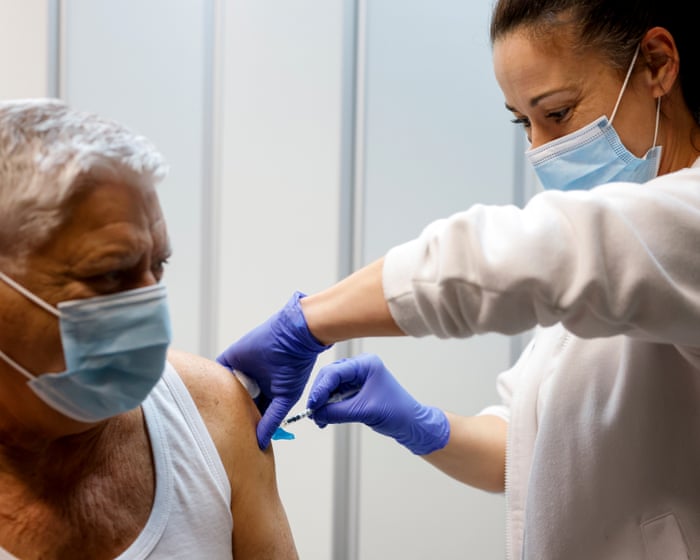
Early data from the UK confirms that the flu vaccine reduces the risk of severe illness from the A(H3N2) strain, even if it may not always prevent infection. Vaccination remains the most important preventive measure, especially for higher-risk groups such as older adults, people with underlying health conditions, pregnant women, and children. Healthcare workers are also a priority to protect both themselves and their patients.
While school-age children are the main drivers of community spread, adults aged 65 and older make up the majority of severe cases requiring hospitalization.
Kluge expects the flu season to peak in late December or early January. He stressed that, although serious, the current situation is not on the level of a global emergency like the COVID-19 pandemic. “Our health systems have decades of experience managing influenza, we have safe vaccines that are updated annually, and we have a clear playbook of protective measures that work,” he said.
In the UK, the NHS is preparing for one of its most difficult winters on record, with growing pressure on GP surgeries, hospitals, and ambulance services. Germany’s Robert Koch Institute reported that the country’s flu season began two to three weeks early.
In France, flu activity is “increasing strongly,” with cases rising across all age groups and more people seeking care in hospital emergency departments. Spain’s infection rates have already surpassed last winter’s peak, and hospitalizations doubled in a single week. Romania and Hungary are also experiencing significant surges in cases.
Frequently Asked Questions
Of course Here is a list of FAQs about the new flu strain affecting Europe designed to be clear and helpful for a general audience
Beginner General Information
1 Whats happening with the flu in Europe right now
A new strain of influenza is spreading widely and causing a higherthanusual number of severe illnesses and hospitalizations putting hospitals and clinics under significant pressure
2 What is a new flu strain
Influenza viruses constantly change A new strain is a version of the virus that has mutated enough that our immune systems may not recognize it as easily even if weve had flu shots or the flu before
3 Is this a new pandemic like COVID19
No This is a seasonal flu virus not a novel pandemic virus However because its a new strain that many people have little immunity against it is causing a more severe flu season than usual
4 What are the symptoms of this flu strain
Symptoms are typical of the flu sudden onset of fever cough sore throat muscle aches headache and fatigue It can be more severe for some leading to pneumonia or worsening other health conditions
5 Who is most at risk from this strain
The same groups as always are at highest risk older adults young children pregnant women and people with chronic health conditions However because immunity is low otherwise healthy adults may also get quite sick
Prevention Protection
6 Is the current flu vaccine effective against this new strain
Yes but not perfectly The seasonal flu vaccine is updated each year to target the strains experts predict will circulate This new strain is a variant of one included in the vaccine so the shot should still provide important protection against severe illness hospitalization and death even if you get infected
7 Should I still get a flu shot if I havent yet
Absolutely yes It is the single best way to protect yourself and reduce strain on hospitals Its not too late as flu seasons can last for months
8 What else can I do to protect myself
Practice the same habits we learned with COVID19 wash your hands frequently avoid touching your face cover coughs and sneezes and consider wearing a mask in crowded indoor spaces if