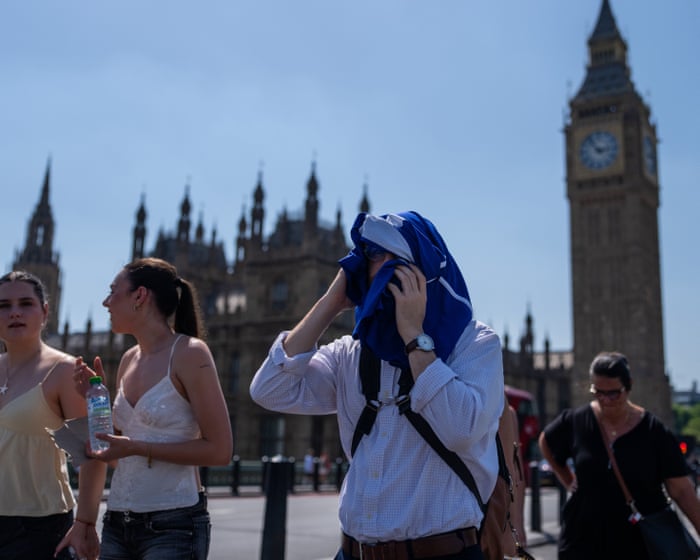
Last weekend, I was sitting in a friend’s air-conditioned car, watching a group of sweaty men on a “beer bike tour” chug alcohol while pedaling through Berlin. The city had just broken its temperature record with 39.2°C heat. Few of them wore hats, and their sunburned pink necks were a clear sign of too much sun.
A few days later, I visited Coschen, a village in eastern Germany that provisionally recorded the hottest temperature the country has ever seen. In that district, nearly every other voter supports a far-right party that denies basic climate science. One man who lives near the station that hit a national record of 41.7°C calmly told me, “It was also warm when I was young.”
Both of these scenes were on my mind when scientists published the first estimates of the death toll from Europe’s intense June heatwave. The number likely ranges from several thousand to over 20,000. While some aspects of climate breakdown can make you feel powerless as an individual, I strongly believe heat shouldn’t be one of them.
Four ways to stay safer
Cities, where hot weather is made worse by the urban heat island effect, are finding ways to adapt. There are four basic ways to reduce the huge death toll from heat: stop the planet from heating up, cool your immediate surroundings, avoid the heat, and protect vulnerable people. If you live in a wealthy democracy, you have power over all of them. So here’s what you can do to stay safe.
Cut carbon pollution
First, the climate. Scientists say the June heatwave would have been “virtually impossible” just a couple of decades ago. Studies have found that more than half of heat-related deaths in European cities are linked to burning fossil fuels. For the average person, cutting carbon pollution means avoiding flights, eating less meat, swapping gas boilers for heat pumps, replacing combustion-engine cars with electric vehicles—or bikes and buses—and simply buying less stuff. It may be comforting to blame billionaires and Big Oil, but the way we live, move, shop, and vote also has a big impact on how hot the planet gets.
Adapt your home
Then there’s the temperature closer to home. In cities, hot weather is made worse by the urban heat island effect—partly due to car culture that favors tarmac over green space—along with poor building design, especially in northern Europe. Air-conditioning is a powerful way to cool homes (though it strains electricity grids and makes urban heat worse for those without it). Shading solutions like awnings and external shutters can often achieve the same effect without those trade-offs. Even renters on tight budgets can use makeshift versions. Hanging curtains or bedsheets outside windows can create surprisingly large temperature differences. (Check out my colleague Zoe Wood’s seven-point guide to cooling your home, by the way.)
Change your habits
The next thing to watch is how we behave. Drinking water, drawing curtains, wearing loose clothes, and avoiding the sun are all simple ways to deal with the heat. But what feels like common sense to some may be unfamiliar to those who didn’t grow up with extreme heat. As I passed the boozy bachelor party drinking their way through the Berlin heat—an extreme case in 40°C, perhaps, but worryingly common at 35°C—an Italian friend lamented how many cars and flats had their windows open when the outdoor air was so hot.
My friend isn’t alone in her confusion. Avikal Somvanshi, a heat researcher at the University of Darmstadt, felt like he might faint when crossing the city’s paved-over square a couple of weeks ago. He was surprised by northern Europeans’ relationship with heat. “In India, and even in”In southern Europe, when the sun is out, people look for shade,” said Somvanshi. “My fellow Germans will just stand there trying to get a tan.”
Check in and help out
The final step is to look after those in need. Trade unions are pushing for work to stop when temperatures get dangerously high, especially for construction workers and farmers. In cities like Barcelona, small businesses and public buildings have been turned into temporary cooling centers. Doctors have highlighted the importance of checking on older people and those with underlying health conditions—who make up the vast majority of heat-related deaths—especially if they live alone. In Paris, vulnerable people can sign up for the city to check on them during a heatwave, while in Denmark, volunteers have taken on this service themselves. You don’t have to wait for organized help. Just knock on your neighbor’s door—a cold drink or a hand with the groceries could make the difference between life and death.
Read more: From ‘heat panic’ to ‘sacrificed at the altar’: Europe’s air conditioning culture wars heat up
June heatwave in UK led to ‘mass sleep deprivation’, poll suggests
I’m Australian, so I know how to cope with heatwaves: here are my tips for keeping cool
To read the complete version of this newsletter – subscribe to receive Down to Earth in your inbox every Thursday.
Frequently Asked Questions
Here is a list of FAQs based on the topic As Europes heatwaves become more dangerous here are four ways we can protect ourselves and others
1 What exactly makes Europes heatwaves more dangerous than before
Answer Climate change is making heatwaves more frequent longer and more intense Cities in Europe are often built to retain heat and many homes lack air conditioning This combination means peoples bodies get less time to cool down at night leading to higher risks of heatstroke and death
2 What are the four main ways to protect ourselves during a heatwave
Answer The four key strategies are
1 Stay cool
2 Stay hydrated
3 Check on others
4 Know the warning signs
3 I dont have air conditioning How can I keep my home cool
Answer Close your blinds or curtains during the day to block sunlight Open windows at night when its cooler Use a fan but place a bowl of ice in front of it for extra cooling If possible spend a few hours in a public building like a library shopping center or community cooling center
4 How much water should I actually drink during a heatwave
Answer Aim for 15 to 2 liters per day but increase that if youre moving around or sweating Dont wait until you feel thirstysip water regularly Avoid alcohol caffeine and sugary drinks because they can dehydrate you
5 Im young and healthy Do I still need to worry
Answer Yes Even healthy people can suffer from heat exhaustion or heatstroke if they overexert themselves You also need to protect othersby checking on vulnerable neighbors or friends Heatwaves affect everyone but your risk goes up if you exercise or work outdoors
6 What are the early warning signs of heat exhaustion