Ukraine, though depleted, is far from defeated. As it looks ahead to 2026, it faces limited military options, even with a critical €90 billion (£79bn) loan from the EU now secured. This financing will allow Kyiv to sustain its current level of defense through late 2027, but it will not fundamentally alter the battlefield outlook.
On land, the pattern of the past two years is likely to continue initially. Russia has held the initiative since 2024, but its territorial gains have been incremental, achieved at a high human cost by constantly feeding troops into the frontline “meat grinder.” Through November 2025, Russian advances averaged 176 square miles per month, at an estimated cost of 382,000 killed and wounded.
In recent peace talks, the White House has suggested Ukraine is fated to lose the remaining 22% of Donetsk province, including the fortified cities of Kramatorsk and Sloviansk. At the current rate of advance, this would take at least a year—likely longer given the urban terrain—and could cost Russia another 400,000 or more casualties, a price Kyiv is determined to exact.
Nevertheless, questions remain about Ukraine’s strategy and the resilience of its front lines, especially as Russian tactics show slight improvement. Three times in the past six months, Ukrainian defenses have given way: east of Dobropillia in Donetsk in August, north of Kupiansk in Kharkiv province in late summer and early autumn, and again east of Huliaipole in Zaporizhzhia in November.
Each time, exhausted defenders could not repel small groups of Russian infiltrators who slipped past Ukraine’s drone defenses. In Kupiansk, Russians used underground gas pipelines in their attacks. However, the Dobropillia incursion was contained after two months; in Kupiansk, the pipelines were cut or their exits secured, and by December, Russian forces had been pushed back.
Losses in Zaporizhzhia province were not dramatic—about six miles—but served as a reminder that Ukraine’s drone-led defense, effective at inflicting casualties up to 10 miles behind the front, cannot compensate for shortages of frontline infantry or exhausted troops. East of Huliaipole, the area had been held for three years by the 109th Territorial Brigade.
Economist Janis Kluge estimates Russia is still recruiting roughly 30,000 military personnel per month, enough to replenish current losses but not enough to decisively turn the tide.
Ukraine’s recruitment rate is lower—official claims of 27,000 a month are undercut by reports suggesting the true figure is a third of that. However, its casualty rate is likely lower still. If a one-day report from Volodymyr Zelenskyy in August is any indication, monthly losses could be around 10,000, with many more wounded than killed.
Some Ukrainians worry that Kyiv’s heavy reliance on counterattacks over the past two years has created a strategic weakness. This includes the incursion into Russia’s Kursk region in August 2024 and subsequent operations to blunt Russian advances around the contested mining town of Pokrovsk, using dedicated assault units. The Kursk operation briefly boosted morale but achieved little in the medium term, aside from slowing Russian advances elsewhere.
Critics say the so-called Syrskyi regiments—named after Commander-in-Chief Oleksandr Syrskyi, who has direct responsibility for them—have suffered heavy losses, leaving Ukraine with insufficient reserves. Now, only enough troops are available to manage frontline crises. After Kursk, Ukraine appears to have lost the capacity for surprise on land.
Bohdan Krotevych has called for a more dynamic approach.Ukraine’s military is shifting to a defensive posture. Bohdan Krotevych, a former chief of staff in Ukraine’s Azov brigade and one of the country’s best-known war veterans, is among the few public critics. “Ukraine needs to shift into a mode of dynamic defense for at least six months. The priority should be the creation of reserves,” he says. According to this view, the president’s diplomatic task is to buy time for regeneration, although losing territory hurts Ukraine’s political narrative.
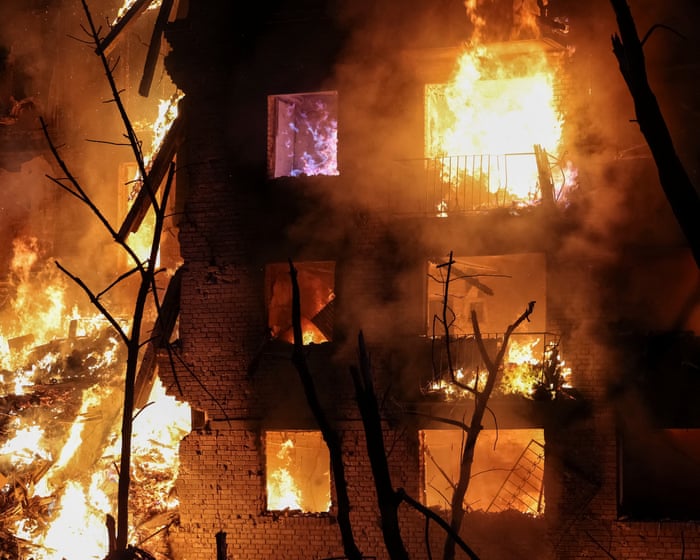
With the land war near a deadlock, an alternative effort is underway to win through economic means. While Russia has increased bombing of Ukraine’s energy infrastructure, causing power outages in cities, Kyiv has kept the front lines supplied and its defenses intact. Despite regular Russian drone and missile attacks, civilian morale remains largely unaffected.
In response, Ukraine has bombed several Russian oil refineries—though others remain out of reach—and has targeted Moscow’s shadow fleet of tankers in increasingly bold drone strikes. These attacks aim to raise costs through higher insurance, expensive delays, and deterring ships from sailing. Oil tax revenue, the Kremlin’s most important income source, fell by 34% in November.
Kyiv hopes Russia may break over the next two years, though there are few immediate signs of internal resistance following the failure of Yevgeny Prigozhin’s march toward Moscow. Russia’s economy is still growing, albeit more slowly, with the IMF forecasting 0.6% growth for 2025.
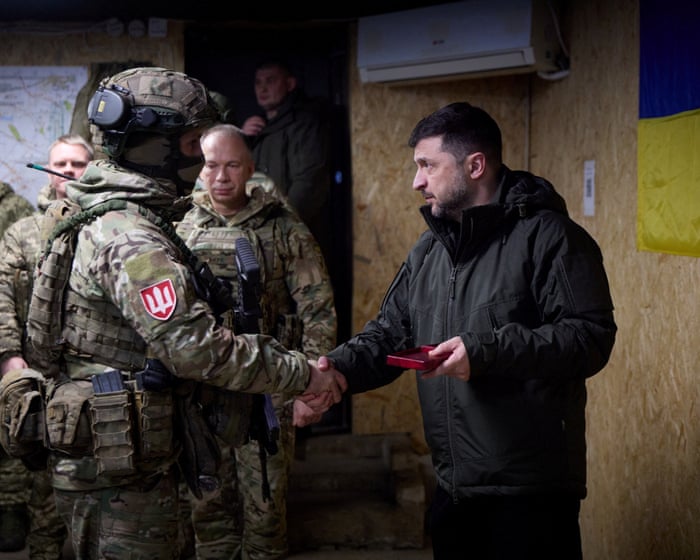
Political developments may unfold fastest, particularly in the White House, depending on how Donald Trump responds after his failed efforts to broker a ceasefire. There is a risk that an angry U.S. president could cut intelligence sharing if President Zelensky continues to refuse territorial concessions, though a halt to arms sales would be surprising. Some also hope that Trump’s pro-Kremlin leanings could be undermined if Republicans perform poorly in the U.S. midterm elections.
Ukraine’s most realistic prospect is to hold Russia to, at worst, the current stalemate, hoping for a future breakthrough. The problem for Kyiv is that as long as Vladimir Putin believes he can gain something from negotiations with Trump, he faces no immediate pressure to stop fighting.
Frequently Asked Questions
Of course Here is a list of FAQs about the idea that Ukraines greatest chance for success may lie beyond the battlefield given the current military situation
BeginnerLevel Questions
1 What does success beyond the battlefield even mean
It means achieving Ukraines core goalssecurity sovereignty and reconstructionnot solely by retaking every inch of territory by force but by strengthening other areas like its economy political alliances and legal standing to outlast and outmaneuver Russia over the long term
2 If Russia is gaining ground how can Ukraine succeed without fighting
The idea isnt to stop fighting but to recognize that a purely military victory against a larger foe is extremely difficult Success would come from making any Russian gains ultimately meaningless or unsustainable by ensuring Ukraine is stronger economically integrated with the West and legally protected
3 What are the main battlefields beyond the battlefield
The key areas are
Diplomacy Alliances Deepening ties with NATO and the EU
Economic Resilience Keeping the economy functioning and rebuilding
Legal Information War Holding Russia accountable for war crimes and winning the global narrative
Internal Stability Maintaining unity democracy and anticorruption efforts
4 Isnt this just a fancy way of saying Ukraine should give up land
No This strategy is about creating leverage from a position of strength in other domains to eventually secure a favorable outcome which could still include reclaiming territory Its about not letting the front line define the entire war
Intermediate Advanced Questions
5 How does strengthening NATO help Ukraine more than tanks
A secure NATOintegrated Ukraine is a permanent strategic defeat for Russia It transforms the conflict from a fight over territory to a failed geopolitical gambit by Russia deterring future aggression and allowing Ukraine to rebuild in safety
6 Can Ukraines economy really be a weapon
Absolutely A functioning economy funds the military supports the population and proves Ukraine is a viable resilient state Russias goal is to collapse Ukraine a growing economy directly counters that Future export revenue could also fund its own defense
7 Whats a practical example of success beyond the battlefield already happening
The