An einem Nachmittag Ende Januar in der Trockenzeit des Südsudans ist die Landschaft mit kurzen Akazienbäumen übersät und dunstig vom Rauch der Graslandfeuer, die gelegt werden, um neues Wachstum anzuregen. Selbst aus der Perspektive eines einmotorigen Ultraleichtflugzeugs wird uns gesagt, dass es schwierig sein wird, den letzten Elefanten im Badingilo-Nationalpark zu finden, einem Schutzgebiet von fast 9.000 Quadratkilometern.
Die Technologie liefert einen Hinweis – der 20 Jahre alte Elefantenbulle trägt ein GPS-Halsband, das stündlich Standortdaten sendet. Auch sein Verhalten hilft; Badingilos einziger Elefant ist so isoliert, dass er mit einer Giraffenherde umherzieht.
Vor fünfzig Jahren lebten die Elefanten in diesem Teil Afrikas ganz anders. In den frühen 1970er Jahren flog der englische Ökologe Dr. Murray Watson in einem Buschflugzeug über den Sudan, um Wildtiere zu erfassen. Obwohl seine Methoden weniger präzise waren als heute, schätzte er etwa 133.500 Elefanten in dem Gebiet, das heute Südsudan ist.
Heute ist die bekannte Elefantenpopulation des Landes auf etwa 5 % des Standes von vor fünf Jahrzehnten gesunken, sagt Mike Fay, ein amerikanischer Naturschützer, der seit 45 Jahren daran arbeitet, die Tierwelt in der Sahelzone und Zentralafrika zu dokumentieren und zu schützen.
Währenddessen gibt es im südlichen Afrika das gegenteilige Problem. In Teilen des Kavango-Zambezi-Transfrontier Conservation Area (Kaza) – einer riesigen Schutzzone, die sich über Botswana, Namibia, Sambia, Simbabwe und einen Teil Angolas erstreckt – waren Naturschutz und Strafverfolgung so effektiv, dass die lokalen Gemeinschaften nun mit zu vielen Elefanten zu kämpfen haben, was zu vermehrten Mensch-Wildtier-Konflikten führt.
Besonders akut ist das Problem am östlichen Rand von Kaza, wo Menschen und Elefanten in kleinere Gebiete gedrängt werden, ohne dass es genügend ökologische Ressourcen für sie gibt. Regierungen, Gemeinschaften und Naturschützer debattieren, ob Elefanten zur Nahrungsgewinnung getötet, die Jagd zur Einkommensgenerierung erlaubt, Zäune gebaut oder die Tiere umgesiedelt werden sollen.
Um dieser Herausforderung in ganz Afrika nachzugehen, habe ich mich mit dem Fotografen Tom Parker zusammengetan, um die Geschichte im Norden – im Südsudan, im Garamba-Nationalpark in der Demokratischen Republik Kongo und im Gambella-Nationalpark in Äthiopien – und im Süden zu verfolgen: Simbabwe, Botswana und Sambia.
Zu wenige Elefanten: Südsudan
Im African-Parks-Büro in Juba, der Hauptstadt des Südsudans, studiert Mike Fay eine Karte des Schutzgebiets, das den Badingilo-Nationalpark, den Boma-Nationalpark und die Jonglei-Landschaft umfasst. "Es ist unfassbar, wie groß es ist", sagt er. Fay ist Landschaftskoordinator von African Parks für das Gebiet der Großen Nil-Migration. Die Organisation hat eine 10-jährige Vereinbarung mit der Regierung zur Verwaltung von 150.000 Quadratkilometern – einer Region etwa so groß wie Nepal.
"Das ist die größte Naturschutzchance der Erde, aber auch eine der größten Herausforderungen, die eine Naturschutzgruppe je übernommen hat", sagt er.
Die Hoffnung auf das Potenzial des Gebiets wuchs nach der Entdeckung im Jahr 2023, dass dieses Ökosystem die größte verbliebene Landsäugetierwanderung der Erde beherbergt, angeführt von Weißohr-Moorantilopen. Diese Wanderung hat trotz des längsten Bürgerkriegs Afrikas überdauert. Aber andere Wildtiere, einschließlich der Elefanten der Region, hatten nicht so viel Glück.
Ein Jäger im Dorf Maruwa, innerhalb von Boma, sagt, er habe vor vier Jahren das letzte Mal einen Elefanten gesehen. Den letzten, den er getötet hat, zwei Jahre davor. "Ich hatte Hunger", sagt er.
Der Jäger verdiente etwas Geld mit dem Elfenbein – 50 Dollar (37 Pfund) pro Stoßzahn, aufgeteilt auf fünf Männer. Unser Gespräch zieht Zuschauer an: gelegentliche Goldgräber, Ex-Soldaten, ein Lehrer, der seit einem Jahr kein Gehalt mehr bekommen hat. "Wir glauben nicht, dass die Elefanten tot sind", bemerkt einer der Männer, "aber sie sind an weit entfernte Orte gegangen."
Der Jäger gibt zu, dass er, wenn er wieder auf einen Elefanten stoßen würde, ihn töten würde. "Für Nahrung. Wir sind wirklich arm. Wir haben nichts. Niemand hier hat einen Job. Alles, was wir tun können, ist zu überleben."
In einem anderen Dorf in Badingilo formuliert David Liwaya, Gemeindebeauftragter von African Parks – ein Bürgerkriegsflüchtling, der aus Kenia in den Südsudan zurückkehrte, um im Naturschutz zu arbeiten – das Problem drastisch: "Es ist wirklich schwierig. Wen kümmert ein Elefant, wenn man seine Brüder verliert?" Aber die Zukunft aufzugeben, sagt er, sei keine Option.
Elf Monate nach unserem Besuch, Ende 2025, kommt Nachricht vom African-Parks-Team: Badingilos letzter Elefant wurde von mutmaßlichen Wilderern getötet, zusammen mit einem seiner Giraffenbegleiter.
Zu viele Elefanten?: Simbabwe
Etwa 3.200 km entfernt, außerhalb des Victoria Falls International Airport in Simbabwe, warnt ein Verkehrsschild vor wandernden Elefanten. Die Straße führt durch eine Township namens Mkhosana, wo Geschichten über Mensch-Wildtier-Konflikte häufig sind – eine Situation, die durch den Klimawandel verschärft wird, da Elefanten während zunehmender Dürren nach Nahrung und Wasser suchen.
Fransica Sibanda war kürzlich verwitwet, als ein Elefant ihren Ehemann nur wenige Meter von ihrem Zuhause entfernt zertrampelte. "Ich lebe jetzt in Angst", sagt sie. "Der Park muss einen Zaun errichten oder die Elefanten vertreiben." Eine Nachbarin, Ireene Nyathi, erinnert sich daran, wie sie sah, wie ein Mann von einem Elefanten aufgehoben und gegen ihre Mauer geschleudert wurde. "Ich denke, der Elefant sollte gefunden und erschossen werden", sagt Nyathi.
"Touristen sehen das nicht", bemerkt Miriam Esther, eine lokale Koordinatorin für Wasserentwicklung. "Sie gehen nur in die Hotels, sehen die Victoriafälle und fotografieren die Tiere."
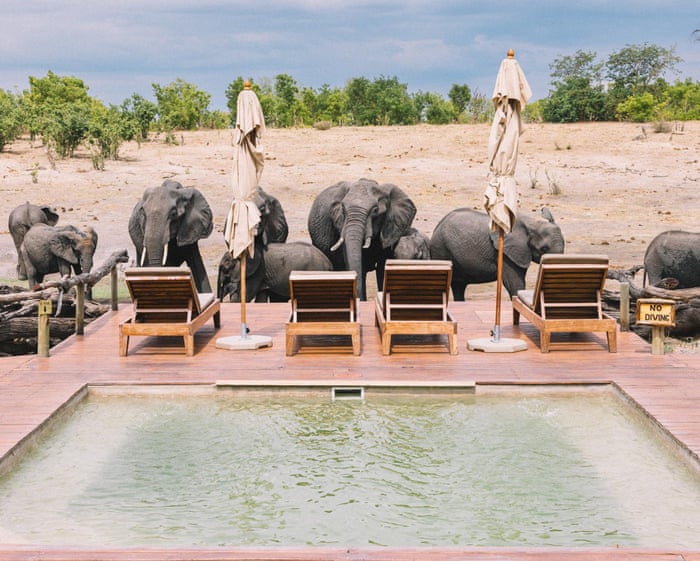
Weiter südlich, in der Nähe von Simbabwes Hwange-Nationalpark, kommt eine Herde von zwölf Elefanten vor dem Swimmingpool der Lodge, in der wir wohnen, zum Trinken. Rechts zieht eine weitere Herde in Richtung untergehende Sonne – ein perfektes Bild für den Safaritourismus. Aber das ist eine romantisierte Version der Realität. Bei einer abendlichen Pirschfahrt stoßen wir auf den Kadaver eines jungen Elefanten, dessen graue Haut im Staub liegt wie ein weggeworfener Wintermantel. Dann die Leichen von zwei weiteren erwachsenen Elefanten, deren Bäuche von Maden pulsieren.
Die dichte Elefantenpopulation in Hwange ist das Ergebnis jahrzehntelanger Naturschutzerfolge, aber auch eines Ökosystems im Ungleichgewicht. Etwa 60.000 von Simbabwes 100.000 Elefanten durchqueren Hwange in der Trockenzeit – etwa die doppelte Tragfähigkeit des Gebiets, sagt der in Simbabwe ansässige Safari-Guide und Naturschützer Rob Janisch.
Als Hwange 1928 erstmals als Wildreservat eingerichtet wurde, installierten Kolonialbeamte in diesem natürlicherweise trockenen Gebiet künstlich gepumpte Wasserlöcher. Aufgrund dieses Eingriffs, zusammen mit expandierenden menschlichen Siedlungen, wandern die Herden nicht genug, damit sich das Ökosystem erholen kann. "Damals wurde es als naturschutzliche Notwendigkeit angesehen, aber im Nachhinein würde sich das als falsch erweisen", sagt Janisch.
Ende 2024 kündigten die Behörden in Simbabwe und Namibia bedeutende neue Elefanten-Abschüsse an, oft unter Beteiligung von Großwildjägern, die dringend benötigte Einnahmen bringen. Botswana erwog ebenfalls, diese Strategie wieder einzuführen, was weltweite Empörung auslöste. Viele Einheimische, die ihr Einkommen nicht aus dem Wildtiertourismus beziehen, sagen, Außenstehende verstünden den Druck nicht. Godwill Ruona, ein Tierpräparator in Victoria Falls, nennt Elefanten "den Herzschlag des Buschs", sagt aber, es gebe zu viele. "Man kann nicht in Paris sitzen und uns erzählen, was in Simbabwe passiert."
Einige Lösungen zeigen Wirkung. Abschreckungsmittel umfassen Peitschen, die wie Schüsse klingen, Lagerfeuer und "Chili-Zäune" – bei denen scharfe Chemikalien den Geruchssinn der Elefanten reizen. Gemeinschaften wie Ngamo investieren in Hochspannungs-Nashornzäune, um den Park von Dörfern zu trennen.
Während dies lokal hilft, ändert es nicht die Tatsache, dass Elefanten immer noch Raum zum Umherstreifen brauchen. In einigen Fällen ist Umsiedlung möglich. Im Jahr 2016 verlegte African Parks 500 Elefanten hunderte von Meilen zwischen zwei Parks in Malawi – die größte innerstaatliche Elefantenumsiedlung, die je durchgeführt wurde. Da jedoch die Budgets von Naturschutz-NGOs auf dem gesamten Kontinent gekürzt werden, ist dies in großem Maßstab eine Herausforderung.
Alte Elefantenwanderrouten werden blockiert. Kann etwas die steigende Zahl von Todesfällen stoppen?
Nichts davon schmälert die gut bewirtschafteten Landschaften, die bemerkenswerte Erfolge erzielt haben, oder die Arbeit heldenhafter Naturschützer an der Basis, die das Zusammenleben von Mensch und Wildtier stetig voranbringen.
Jeder dieser Siege zählt. Und während es keine einzelne Lösung für Afrikas Elefanten gibt, haben die großen Unterschiede zwischen Kaza und Südsudan auch gemeinsamen Boden: In einem Zeitalter des Massenaussterbens ist Scheitern keine Option.
Die Reise für diese Reportage wurde von Michael Lorentz, Rob Janisch und dem Safarious Fund unterstützt.
Häufig gestellte Fragen
Natürlich. Hier ist eine Liste von FAQs zur Spaltung der Elefantenpopulation in Afrika, die klar und im Gesprächston gestaltet ist.
Einsteigerfragen
1. Was bedeutet die Spaltung der Elefantenpopulation in Afrika?
Es bedeutet, dass die Elefantenpopulationen in einigen südafrikanischen Ländern boomen, in vielen anderen, besonders in Zentral- und Westafrika, jedoch kritisch niedrig sind oder schrumpfen. Es ist ein kontinentweites Ungleichgewicht.
2. Welche Länder haben zu viele Elefanten?
Länder wie Botswana, Simbabwe und Teile von Südafrika und Namibia haben große, dichte Elefantenpopulationen, die manchmal Konflikte mit Landwirten verursachen und lokale Ökosysteme schädigen können.
3. Welche Länder verlieren ihre Elefanten?
Länder wie Kenia, Tansania, Gabun und viele in Zentral- und Westafrika sehen sich ernsten Bedrohungen durch Wilderei und Lebensraumverlust ausgesetzt, was zu schrumpfenden Herden führt.
4. Warum sind Elefanten an manchen Orten überbevölkert?
Hauptsächlich aufgrund erfolgreicher Naturschutzbemühungen, gut geführter Parks und geringerem Wildereidruck. Diese sicheren Zufluchtsorte ermöglichen es Populationen, über das hinauszuwachsen, was der unmittelbare Lebensraum manchmal tragen kann.
5. Warum verschwinden Elefanten an anderen Orten?
In erster Linie aufgrund illegaler Wilderei für Elfenbein und Lebensraumverlust durch menschliche Besiedlung, Landwirtschaft und Abholzung. Schwache Strafverfolgung und politische Instabilität spielen ebenfalls eine große Rolle.
6. Ist es nicht eine gute Sache, mehr Elefanten zu haben?
Es ist ein Zeichen für Naturschutzerfolg, aber zu viele Elefanten in einem Gebiet können Vegetation abgrasen, Bäume schädigen und durch das Zertrampeln von Ernten oder Gefährdung Konflikte mit Menschen verursachen, was eine komplexe Herausforderung darstellt.
Fortgeschrittene / Praktische Fragen
7. Was ist der Hauptgrund für diese Spaltung? Liegt es nur an Wilderei?
Wilderei ist der größte Treiber des Rückgangs in gefährdeten Gebieten. Die Spaltung ist jedoch auch auf Unterschiede in der Regierungsführung, wirtschaftlicher Stabilität, Naturschutzfinanzierung und Landnutzungsplanung zwischen den Nationen zurückzuführen.
8. Können Elefanten nicht einfach aus überfüllten Gebieten in leerere ziehen?
Nicht leicht. Ihre Bewegung wird durch menschliche Siedlungen, Zäune und Grenzen blockiert. Elefantenherden haben traditionelle Verbreitungsgebiete, und ihre Umsiedlung ist extrem teuer, komplex und stressig für die Tiere.
9. Was unternehmen Länder mit zu vielen Elefanten dagegen?
Sie verwenden Strategien wie:
Empfängnisverhütung: Um das Bevölkerungswachstum human zu verlangsamen.
Umsiedlung: Elefanten in andere Reservate zu verlegen.
Gesteuerte Bejagung: Eine umstrittene letzte Maßnahme in einigen Ländern.