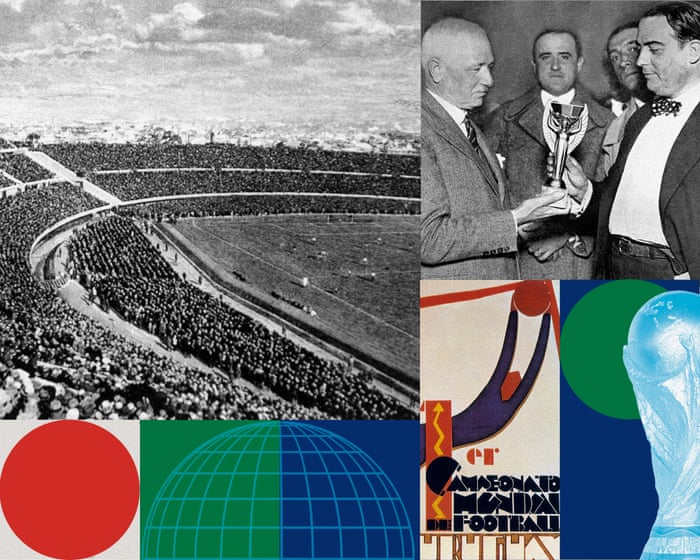
I tifosi di calcio sanno che nel 1930 l'Uruguay ospitò e vinse la prima Coppa del Mondo. Ma ciò che è meno noto è la storia diplomatica dietro l'ingresso del paese sulla scena sportiva internazionale. Negli anni '20, il ministro degli esteri uruguaiano—che guidava anche una delle due federazioni calcistiche rivali del paese—lavorò con un diplomatico in Svizzera per far riconoscere la sua federazione tramite l'adesione alla FIFA. Quel diplomatico iscrisse anche l'Uruguay al torneo olimpico di calcio del 1924 a Parigi, che stava diventando il palcoscenico principale del calcio globale. Questo causò il panico in patria: nessuno si aspettava che lo facesse, e nessuno sapeva come avrebbero pagato. Un funzionario della federazione finì per usare la propria casa come garanzia per un prestito che coprisse il viaggio della squadra attraverso l'Atlantico.
Una volta in Europa, l'Uruguay conquistò rapidamente le persone. Prima giocarono nove amichevoli in Spagna, e poi alle Olimpiadi divennero la maggiore attrazione. La famosa scrittrice Colette fu persino inviata alla villa dove alloggiava l'Uruguay per scrivere le sue impressioni per il giornale Le Matin. Giocando un calcio brillante e coordinato basato sui passaggi, l'Uruguay vinse la medaglia d'oro ai Giochi.
"Negli ambienti diplomatici sudamericani," riportò il giornale uruguaiano filogovernativo El Día, "si dice che la prestazione della squadra uruguaiana abbia fatto più per la fama del paese di migliaia di dollari spesi in propaganda."
Fu dichiarata una festa nazionale per il ritorno dei giocatori, e il viaggio verso la capitale fu sovvenzionato in modo che tutto il paese potesse unirsi ai festeggiamenti. La rivista illustrata Mundo Uruguayo sostenne che la squadra aveva dimostrato che l'Uruguay era una "nazione civilizzata" in grado di esportare cultura oltre che carne. Il successo non solo mostrò al mondo che l'Uruguay era un paese a sé, non solo una parte dell'Argentina, ma sembrò anche sostenere l'ideologia dominante del batllismo e i valori che rappresentava: modernità, liberalismo, razionalità ed eccezionalismo uruguaiano.
Non era un'affermazione irragionevole. Il calcio uruguaiano probabilmente non sarebbe stato così buono senza un massiccio programma educativo statale che includeva l'educazione fisica. Quella lezione fu rafforzata quando l'Uruguay vinse di nuovo l'oro nel calcio alle Olimpiadi del 1928 ad Amsterdam.
Quando si decise che il calcio aveva bisogno di una propria competizione globale regolare separata dalle Olimpiadi—in parte per permettere ai giocatori professionisti e in parte perché stava iniziando a oscurare altri sport—l'Uruguay fece attivamente campagna per ospitare il torneo. Il presidente Juan Campisteguy invitò il presidente della FIFA, Jules Rimet, a un asado al palazzo presidenziale. Fin dall'inizio, la Coppa del Mondo fu un evento politico.
Per coincidenza, il torneo era programmato per cadere nel centenario della costituzione uruguaiana, che sembrava un'occasione troppo buona per lasciarsela sfuggire. Un nuovo splendido stadio architettonicamente ambizioso, il Centenario, fu costruito e inaugurato nell'anniversario con la vittoria dell'Uruguay per 1-0 sul Perù.
Dodici giorni dopo, l'Uruguay vinse la prima finale della Coppa del Mondo, battendo l'Argentina 4-2. Meno di 30 anni dopo le guerre civili che avevano scosso il paese per decenni, questo fu un enorme momento di celebrazione nazionale. Non che aiutò molto Campisteguy. L'anno successivo, quando il pieno impatto del crollo di Wall Street colpì, fu rovesciato da un colpo di stato.
L'idea del torneo come vetrina per i valori nazionali fu consolidata nel 1934. L'uso della seconda Coppa del Mondo da parte di Benito Mussolini fu una proiezione ancora più diretta dell'Italia. Per il suo regime, il torneo riguardava la convalida sia attraverso la vittoria che l'organizzazione. La vittoria dell'Italia non fu priva di controversie, ma come sosteneva il settimanale fiorentino Il Bargello, era comunque "l'affermazione di un intero popolo, un segno della sua forza virile e morale." Organizzare bene era forse ancora più importante. Questo era particolarmente vero perché il governo di Mussolini aveva lanciato un programma di costruzione di stadi, sovvenzionato i viaggi per i tifosi verso l'Italia e tra le città ospitanti, prodotto e venduto merchandising della Coppa del Mondo con il logo fascista, e organizzato trasmissioni radiofoniche in diretta per ogni nazione europea partecipante, più l'Egitto. I visitatori stranieri furono profondamente colpiti. Secondo la Gazzetta dello Sport, le loro lodi erano "più che sufficienti per mostrare che l'Italia di Mussolini—un tempo la piccola Italia dell'improvvisazione e delle scuse—ha organizzato la festa del calcio con stile, flessibilità, precisione e persino la cortesia e la completezza che indicano assoluta maturità e prontezza."
Lo schema fu stabilito molto presto. Ogni Coppa del Mondo è stata, in una certa misura, un riflesso del paese ospitante e del suo governo. Può unire una nazione attorno a un obiettivo comune, e può offrire almeno un'apparente prova della superiorità di un paese. Questo può essere un'espressione abbastanza innocente di orgoglio nazionale, come lo fu per l'Uruguay, o qualcosa di più dannoso, come lo fu per l'Italia fascista. Ogni Coppa del Mondo—dall'Uruguay e l'Italia nel 1930 e 1934, alla Russia e al Qatar nel 2018 e 2022—è stata in parte incentrata sulla costruzione della nazione e sulla presentazione di un'immagine al mondo.
Cosa significherà per Stati Uniti, Canada e Messico? Lo scopriremo più avanti quest'estate.
Questo articolo è stato originariamente pubblicato nella newsletter The World Behind the Cup. Iscriviti qui.
Domande Frequenti
Ecco un elenco di domande frequenti su come i paesi hanno usato la Coppa del Mondo per costruire l'identità nazionale e i rischi che quell'orgoglio diventi estremo
Domande di Livello Base
1 Cosa significa costruire l'identità nazionale attraverso la Coppa del Mondo
Significa usare il torneo per creare un senso condiviso di appartenenza e orgoglio tra i cittadini Quando una squadra vince, le persone sentono di far parte di qualcosa di più grande, il che rafforza il loro legame con il paese
2 Come può un evento sportivo come la Coppa del Mondo portare al fascismo
Di solito non lo fa da solo Ma quando un governo o un movimento politico usa il torneo per promuovere un'unica versione aggressiva di nazionalismo—come "il nostro popolo è superiore" o "dobbiamo dominare gli altri"—può alimentare ideologie autoritarie estreme
3 Puoi fare un semplice esempio di questo accaduto
L'esempio più famoso è la Coppa del Mondo del 1934 in Italia Il dittatore fascista Benito Mussolini usò la vittoria dell'Italia per promuovere il suo regime, sostenendo che dimostrava la forza e la purezza razziale del popolo italiano
4 Tutto l'orgoglio per la Coppa del Mondo è negativo
No L'orgoglio sano riguarda il celebrare il risultato di una squadra e sentirsi connessi alla propria comunità Diventa un problema quando quell'orgoglio si trasforma in odio verso altre nazioni, razzismo o sostegno a leader oppressivi
5 Perché i paesi fanno questo
È uno strumento potente Una vittoria alla Coppa del Mondo crea un'enorme euforia emotiva che può distrarre le persone da problemi come povertà o corruzione I leader possono poi sostenere di essere responsabili della gloria nazionale
Domande di Livello Avanzato
6 Come ha illustrato specificamente questo rischio la Coppa del Mondo del 1978 in Argentina
La giunta militare, che stava commettendo abusi dei diritti umani, ospitò il torneo Usarono la vittoria dell'Argentina per distrarre il pubblico, censurare i media critici e promuovere un nazionalismo violento e machista che giustificava il loro brutale dominio Fu un classico caso di uso dello sport per sostenere una dittatura
7 Qual è la differenza tra il nazionalismo banale in una Coppa del Mondo e la versione fascista
Il nazionalismo banale è la manifestazione quotidiana e innocua di bandiere e cori La versione fascista è deliberata, guidata dallo stato e aggressiva Esclude attivamente le minoranze, promuove un mito di superiorità razziale o culturale e usa il torneo per legittimare un governo repressivo
8 Ci sono esempi moderni di questa tendenza
Sì Alcuni critici indicano il