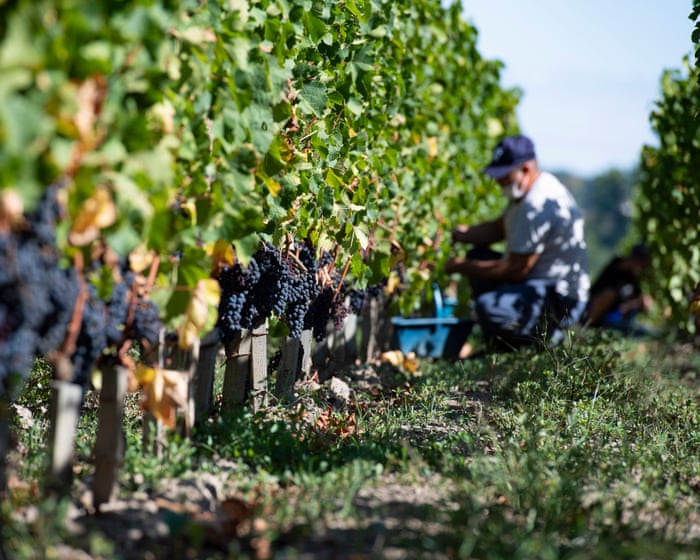
These are always tense weeks in Bordeaux’s vineyards, where 15% of France’s wine is produced—including famous estates like Château Latour and Château Mouton-Rothschild. In the past, this seasonal anxiety among winemakers had an almost charming, traditional feel. By mid-August, the grapes would ripen and begin changing color. Tradition says that about 45 days from now, the 2025 harvest should begin. As wine writer Edmund Penning-Rowsell once noted, “To pick or not to pick is the most critical decision of Bordeaux’s winemaking year.”
But this timeless rhythm is breaking down. Part of the problem is climate change. While Bordeaux still benefits from its mild Atlantic climate, southwestern France is becoming hotter and drier. Even in the Gironde region, temperatures have recently neared 40°C. Adapting—whether by planting hardier grapes or diversifying crops—now seems unavoidable.
The bigger challenge, however, is the shifting wine market. Demand for red wine in general—and especially for Bordeaux’s full-bodied, high-alcohol, slow-maturing reds—has dropped sharply. This affects not just the prestigious premiers crus favored by royalty and the wealthy, but also the everyday Bordeaux reds sold in supermarkets worldwide. For a region where 85% of production is red wine, this is a crisis.
Bordeaux produces about 650 million bottles annually but currently sells only 500 million. In France alone, red wine demand has fallen 38% in five years and 45% over the past decade. The slump isn’t limited to France—Chinese demand has halved since 2017, and U.S. tariffs will hurt the 20% of Bordeaux exports that once went there. These changes appear irreversible, at least for now.
Some suggest slashing prices, especially after the inflated costs of the China boom years. But with consumers turning away and many producers already losing money, lower prices haven’t revived demand. Instead, with government and EU support, about 15% of Bordeaux’s vineyards have been uprooted since 2019, replaced by crops like olives and kiwifruit.
Now, a more traditional—yet radical—idea is gaining traction: making lighter, less tannic wines. History supports this. For centuries, Bordeaux reds were known in Britain as “claret,” a term dating back to when English kings ruled Aquitaine. Back then, Bordeaux reds were often lighter, fresher wines called clairet—somewhere between modern reds and rosés—meant to be drunk young, soon after arriving from France.
Small amounts of clairet are still made in Bordeaux today, and producers now hope to expand it, targeting drinkers who’ve rejected heavier reds. Advocates say clairet should be enjoyed within a couple of years and served chilled. Traditional claret lovers may scoff, but it sounds perfect for a summer barbecue.
FAQS
### **FAQs About The Guardian’s View on France’s Wine Crisis: Could Clairet Be the Solution for Claret?**
#### **Beginner-Level Questions**
**1. What is clairet wine?**
Clairet is a light, fruity red wine from Bordeaux, France. It’s darker than rosé but lighter than traditional red wine.
**2. What is claret?**
Claret is the British term for red Bordeaux wine, typically medium-bodied with flavors of dark fruit and earthiness.
**3. Why is France facing a wine crisis?**
Overproduction, falling demand, climate change, and competition from cheaper wines have hurt French wine sales, especially Bordeaux.
**4. How could clairet help solve this crisis?**
Clairet is cheaper to produce, appeals to younger drinkers who prefer lighter wines, and could revive interest in Bordeaux wines.
**5. Is clairet the same as rosé?**
No, clairet is slightly darker and more structured than rosé, with a deeper color and more tannins.
#### **Advanced-Level Questions**
**6. What makes clairet different from other red wines?**
Clairet is made with shorter grape skin contact, giving it a lighter body and fresher taste than full-bodied reds.
**7. How does climate change affect Bordeaux wines?**
Hotter temperatures can overripen grapes, making wines too alcoholic and less balanced. Clairet’s lighter style may adapt better.
**8. Are there any well-known clairet producers?**
Yes, some Bordeaux producers like Château Bauduc and Château de Sours make clairet, though it’s still a niche product.
**9. Could clairet compete with popular light reds like Beaujolais?**
Potentially—its fruity, easy-drinking style could attract fans of Beaujolais or Pinot Noir if marketed well.
**10. What are the challenges in promoting clairet?**
Many consumers don’t know about it, and Bordeaux’s reputation is tied to traditional reds, making it hard to shift perceptions.
#### **Practical Tips & Considerations**
**11. Where can I buy clairet wine?**
Look for it in specialty wine shops, online retailers, or