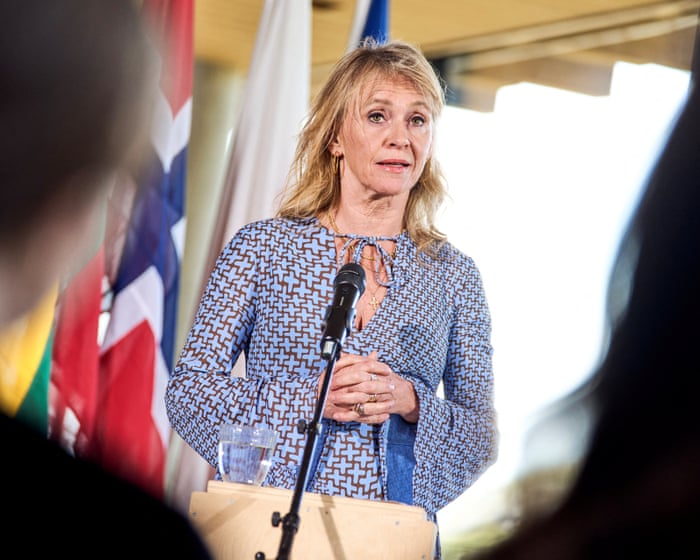
Исландският външен министър заяви, че се опасява, че страната може да преживее „момент като Брекзит“ на предстоящия си референдум за ЕС, предупреждавайки за дезинформация, чуждестранна намеса и използване на изкуствен интелект. Само три месеца преди Исландия да гласува дали да продължи преговорите за членство в ЕС, ситуацията се следи отблизо от Вашингтон, Москва и Брюксел.
Торгердюр Катрин Гюнарсдоутир обвини лица и групи както в Исландия, така и извън нея в „сеене на страх“. Тя заяви, че страната е залята от дезинформация и реторика, взета „от наръчника на Найджъл Фарадж и Reform“. Тя предупреди, че референдумът може да стане мишена за Русия и „актьори, които се стремят да повлияят негативно на обществения ни дебат“. Чуждестранната намеса и разпространението на дезинформация могат да повлияят на резултата, добави тя.
„Страхувам се, че ще преживеем момент като Брекзит“, каза тя пред Guardian. „Това би било, от моя гледна точка, доста опасен път, защото... имаше всякакви лъжи, изтъкнати от привържениците на Брекзит.“ Тя посочи оспорвани цифри, използвани от кампанията за напускане относно това колко пари Обединеното кралство изпраща на ЕС.
Торгердюр заяви, че Брекзит „трябва да бъде пример как да не се води кампания“, а не нещо за копиране. „Нищо от това, което обещаха, всъщност не беше активирано или реализирано“, каза тя.
Исландското коалиционно правителство – съставено от лявоцентристкия Социалдемократически алианс, Партията на народа и центристката, проевропейска Либерална реформистка партия на Торгердюр – изненада мнозина, когато обяви през март, че ще проведе референдума за ЕС на 29 август. Преди това беше заявило, че ще го направи не по-късно от 2027 г.
Решението беше частично продиктувано от заплахи от страна на САЩ, дългогодишен близък съюзник на Исландия, да завземе насилствено най-близкия си съсед, Гренландия. Торгердюр заяви: „За нас, от моя гледна точка, международният ред, който подкрепяше сигурността и просперитета ни в продължение на десетилетия, е под сериозен натиск. Светът се промени толкова решително, бих казала, така че Гренландия, разбира се, повлия или оказа влияние върху решението ни.“
Тя заяви, че старите съюзи се изпитват и търговията се използва като „политическо оръжие“. „Не се отнасяте към приятел и съюзник като Гренландия и Дания така, както САЩ направиха в началото на тази година.“ Въпреки това тя настоя, че отношенията на Исландия със САЩ остават силни и че тя разширява съюзите си. „Членството на Исландия в ЕС не противоречи на добрите отношения със САЩ. Едното не изключва другото.“
Когато исландците гласуват на референдума през август, те няма да бъдат питани дали искат да се присъединят към ЕС, а дали искат правителството да възобнови преговорите за членство с блока. Исландия за първи път кандидатства за членство в ЕС през 2009 г. и Съветът се съгласи да започне преговори през следващата година. Но през 2013 г. исландското правителство се оттегли. Ако исландците гласуват с „да“, преговорите ще бъдат възобновени и ако бъде постигнато споразумение, правителството ще проведе втори референдум дали да го приеме.
Социологическите проучвания показват оспорвана надпревара. Според скорошно проучване за външното министерство 42% от исландците подкрепят възобновяването на преговорите, а 39% са против. Поддръжниците на присъединяването към ЕС го виждат като важно за международната сигурност и възможност за по-добра интеграция в Европа, докато противниците предупреждават за потенциалното въздействие върху риболова, селското стопанство и суверенитета на Исландия. Във Фьордюр, Исландия. Снимка: Sean Gallup/Getty Images
Риболовът е особено емоционална тема на дебат. Той е не само един от най-големите износни стоки на страната, но и дълбоко свързан с исландската култура и идентичност.
Торгердюр призова исландските избиратели да „решат сами“ и да внимават откъде получават информацията си. Тя заяви, че някои политически партии разпространяват дезинформация, подобно на това, което критиците смятат, че UKIP е правила преди референдума за Брекзит в Обединеното кралство.
„Сякаш следват наръчника на Найджъл Фарадж и Reform, и разбира се, това е тревожно“, каза тя.
Говорител на Reform заяви: „Reform UK няма връзка с Исландия.“ Той добави: „Пожелаваме им успех да останат извън ЕС.“
Коментарите на Торгердюр идват, след като министър-председателят Криструн Фростадоутир предупреди, че чуждестранното влияние в референдума „няма да бъде толерирано, независимо дали от Европейския съюз, Китай, Русия или Съединените щати.“
Президентът Хала Томасдоутир предупреди за опасностите от изкуствения интелект. Тя заяви, че ИИ „може моментално да създава съдържание, което изглежда достоверно, но е подвеждащо, да разпространява непроверена информация много бързо и да влияе на мненията и благосъстоянието ни по начини, които не винаги забелязваме.“
Хафстейн Ейнарсон, доцент в Исландския университет, който изучава ИИ, заяви, че не смята, че Исландия е готова ясно да информира обществеността за референдума. Той установи, че моделите с ИИ често отговарят на често срещани въпроси относно референдума на исландски, използвайки ненадеждни източници, и става все по-лесно за хората да произвеждат масово дезинформация с помощта на ИИ.
„Това ме тревожи: хората, които търсят информация, питат своя модел с ИИ за референдума и свързаните с него въпроси, получават отговор и може дори да не проверят източниците, защото се доверяват на ИИ. Мнозина просто го приемат за факт“, каза Ейнарсон.
**Често задавани въпроси**
Ето списък с често задавани въпроси въз основа на новината за исландския външен министър и потенциалния референдум за ЕС.
**Въпроси за начинаещи**
**Въпрос:** Защо исландският външен министър се притеснява от нов референдум за ЕС?
**Отговор:** Тя се притеснява, че той може да се превърне в „момент като Брекзит“. Това означава, че се страхува дебатът да стане дълбоко разделителен, емоционален и фокусиран върху националната идентичност, вместо върху практическите плюсове и минуси, което потенциално води до хаотично или съжалявано решение.
**Въпрос:** Какво означава „момент като Брекзит“ в този контекст?
**Отговор:** Отнася се до гласуването на Обединеното кралство през 2016 г. за напускане на ЕС. Терминът предполага силно политизиран, непредсказуем референдум, който разделя страната, причинява дългосрочни икономически и политически сътресения и има последици, които трудно се отменят.
**Въпрос:** Исландия член ли е в момента на Европейския съюз?
**Отговор:** Не. Исландия е член на Европейското икономическо пространство и Шенгенското пространство, което ѝ дава достъп до единния пазар на ЕС и свободно движение, но не е пълноправен член на ЕС.
**Въпрос:** Опитвала ли е Исландия да се присъедини към ЕС преди?
**Отговор:** Да, Исландия кандидатства за членство през 2009 г. след финансовата криза, но правителството спря преговорите през 2013 г. и по-късно оттегли кандидатурата, без да проведе окончателен референдум.
**Въпроси за напреднали**
**Въпрос:** Какви са основните аргументи за и против присъединяването на Исландия към ЕС?
**Отговор:** *За:* Пълен достъп до вземането на решения в ЕС, по-силни търговски връзки и обща валута биха могли да помогнат за стабилизиране на икономиката. *Против:* Загуба на контрол върху риболова, загуба на суверенитет и потенциални конфликти с независимата външна политика на Исландия.
**Въпрос:** Как референдумът за членство в ЕС би повлиял на отношенията на Исландия с ЕИП и Шенген?
**Отговор:** Ако Исландия се присъедини към ЕС, тя автоматично ще напусне ЕИП и Шенген като отделни споразумения, ставайки пълноправен член на ЕС. Ако гласува с „не“, тя ще остане в ЕИП/Шенген. Рискът от „момент като Брекзит“ е, че вотът „не“ може да доведе до политически натиск за предоговаряне или напускане и на тези споразумения.
**Въпрос:** Какви конкретни притеснения има външният министър относно политическия климат в Исландия?