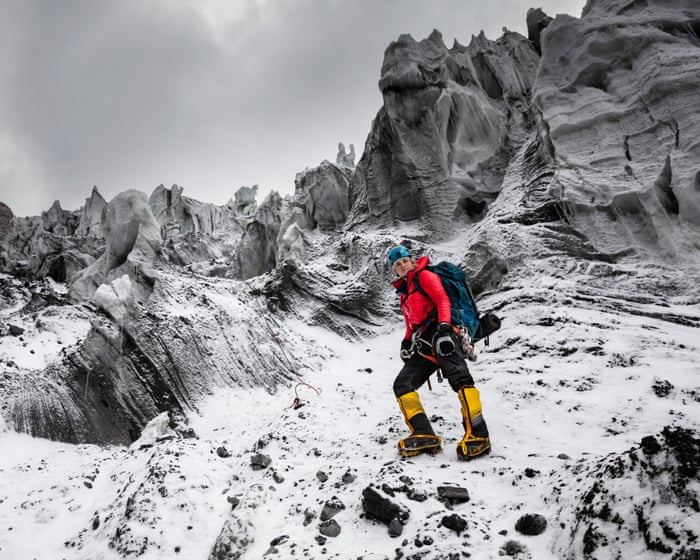
मेरे मन में छाई भयानक आशंका का कोई कारण नहीं था—और यही समस्या का हिस्सा था। जिस क्षण से मैं और मेरे प्रेमी, टिम, दो 7,000-मीटर ऊँची चोटियों पर चढ़ने के लिए ताजिकिस्तान पहुँचे, कुछ अजीब सा लगा। यह कोई ऐसा डर नहीं था जिसे मैं नाम दे सकूँ; यह एक निरंतर, बेचैन कर देने वाली गूँज जैसा था।
एक हेलीकॉप्टर ने हमें एक दरारों भरी हिमनदी पर उतारा, जो हमारा बेस कैंप और आसपास की चोटियों से आने वाले हिमस्खलनों से बचाव का स्थान था। हेलीकॉप्टर बहुत नीचे उड़ रहा था, उस बर्फ को छूता हुआ जो इतनी नुकीली लग रही थी कि उसे चीर सकती थी। हिमनदी अंदर से दिख रही थी क्योंकि पीछे एक बड़ा छेद था—एक पैनल गायब था, जो उसकी पुरानी होने का संकेत था।
एक बार हेलीकॉप्टर के चले जाने के बाद, हम कुछ अन्य पर्वतारोहियों के साथ अकेले रह गए, जिन्हें एक महीने बाद लेने आना था। यह 2018 का साल था, और टिम और मैंने अपना अभियान स्वतंत्र रूप से आयोजित किया था, जैसा कि मैं अक्सर करती हूँ। इसे स्वयं संभालने का मतलब था अधिक जिम्मेदारी, लेकिन इससे लागत भी कम रही। पामीर पर्वत एंडीज या हिमालय जितने प्रसिद्ध नहीं हैं, लेकिन वे अत्यंत दूरस्थ हैं और हमारी चढ़ाई की सभी अपेक्षाओं पर खरे उतरे।
कागज पर, योजना सरल थी। हकीकत अलग थी। मार्ग ऑनलाइन पढ़े गए सीमित विवरणों और चढ़ाई लॉग से कहीं अधिक तकनीकी था। हर दिन में खड़ी बर्फ पर चढ़ाई, अस्थिर ढलानें, हिमदरारें और एक बहुत ही वास्तविक समय सीमा शामिल थी—यदि आप लगभग शाम 4 बजे तक कुछ विशेष बर्फ की दीवारों से नहीं उतरते, तो जमीन आपके नीचे एक विशाल भूस्खलन में पिघलने लगती। हिमस्खलन अधिकांश दिन आम थे, और चट्टानों के गिरने से हम बाल-बाल बचे, हालाँकि ऐसे खतरे चढ़ाई में असामान्य नहीं हैं। यहाँ तक कि फिक्स्ड लाइनें—पर्वतारोहियों की सहायता के लिए लगाई गई रस्सियाँ—भी अनुपयोगी निकलीं; वे बगीचे की सुतली जैसी थीं। सौभाग्य से, हम अपनी रस्सी और उपकरण लेकर आए थे।
लेकिन मुझे केवल कठिन परिस्थितियों ने ही व्यथित नहीं किया। जिस क्षण से हमें उतारा गया, कुछ ठीक नहीं लगा, और वह भावना कभी दूर नहीं हुई। यह असफलता या दूसरों को निराश करने का डर नहीं था—मैं पहले भी कई बार चढ़ाई से वापस लौट चुकी थी या छोड़ चुकी थी। यह कुछ अधिक शांत, परिभाषित करने में कठिन था। हम जितनी योजना बनाई थी, उससे अधिक अनिश्चितता के साथ काम कर रहे थे, इसलिए हर निर्णय भारी लग रहा था। कुछ मुझसे कह रहा था कि हमें पहाड़ से उतरने की जरूरत है।
मैंने खुद से और टिम से वादा किया कि हम सावधानी से चढ़ेंगे। पहली चोटी, कोर्ज़ेनेव्स्काया (2020 से ओज़ोदी पीक के नाम से जानी जाती है), इतनी खतरनाक साबित हुई कि जारी रखना उचित नहीं था, और हम लगभग 6,800 मीटर पर वापस लौट आए। यह बस इसके लायक नहीं था।
बेस कैंप में वापस आकर, हमने हेलीकॉप्टर के आने का इंतजार किया, लेकिन उड़ान 12 अगस्त तक बुक नहीं थी, जो पाँच दिन दूर थी। मैं स्थानीय समन्वयकों से पूछती रही कि क्या हम जल्दी निकल सकते हैं, लेकिन वे शेड्यूल बदलने में अनिच्छुक थे। अधिकांश लोग केवल रूसी बोलते थे। हम अलग-थलग और थके हुए थे, लेकिन मुझे स्वीकार करना पड़ा कि हमें बस इंतजार करना होगा।
फिर, उड़ान के निर्धारित दिन से एक दिन पहले, हमने रोटरों की दूर की धमक सुनी। एक और पिकअप उतर रहा था—लेकिन हमारे लिए नहीं। मुझे याद है कि मैं निराश महसूस कर रही थी। तभी किसी ने मेरा नाम पुकारा। अप्रत्याशित रूप से, उन्होंने कहा कि यदि हम तेजी से तैयार हो जाएँ, तो हम इसमें सवार हो सकते हैं।
हमने जल्दबाजी में सामान पैक किया और दौड़े। ऊँचाई की बीमारी और थकान से हर कदम पर मैं खाँस रही थी। यहाँ तक कि बेस कैंप भी एक कठोर अनुभव था, जहाँ कोई आराम नहीं था।
जैसे ही हमने उड़ान भरी, हेलीकॉप्टर मुश्किल से उस हिमनदी की चोटी से ऊपर उठा जहाँ हम तैनात थे। टिम और मैंने पूरी उड़ान के दौरान हाथ थामे रखे, और जब हम सुरक्षित उतरे, तो मुझे कुछ ऐसा महसूस हुआ जो हफ्तों से नहीं हुआ था: सुरक्षा और शांति।
अगले दिन, वही हेलीकॉप्टर बचे हुए पर्वतारोहियों को लेने लौटा। हमें बाद में विनाशकारी खबर मिली कि वह वापस नहीं पहुँचा। जिस उड़ान पर हमें जाना था, वह हिमनदी से टकरा गई, जिसमें पाँच लोगों की मौत हो गई। 13 बचे लोगों को मलबे के बीच एक भयावह रात अकेले बिताने के बाद ही पाया गया। दुखद बात यह है कि जो दो लोग मारे गए, वे ठीक उन्हीं सीटों पर बैठे थे जो हमारी थीं—सबसे पीछे की दो सीटें। पूँछ एक बर्फ के टॉवर के किनारे से टकराई और टूट गई, जिससे वे दोनों सीटें उसके साथ ही चली गईं और विमान मुक्त पतन में चला गया।
लंदन वापस आकर, टिम और मेरा जीवन चलता रहा। हम पहले भी कई अभियानों पर गए थे, लेकिन मैं यह सोचना बंद नहीं कर पा रही थी कि ताजिकिस्तान की यह यात्रा शुरू से ही अलग कैसे लगी।
तब से, मैंने हमेशा अपनी अंतरात्मा की सुनना सीख लिया है, चाहे कुछ भी हो। मुझे पता है कि किसी साहसिक कार्य से पहले घबराहट महसूस करना सामान्य है—वास्तव में, यह अक्सर मददगार होता है। यह आपकी इंद्रियों को तेज करता है और आपकी तैयारी में किसी भी कमी को पूरा करने के लिए प्रेरित करता है। लेकिन मैंने यह भी सीखा है कि डर और अंतर्ज्ञान एक नहीं हैं। डर जोरदार होता है और चाहता है कि आप रुक जाएँ; अंतरात्मा की आवाज आमतौर पर शांत होती है और हमेशा खुद को समझाती नहीं है। यह बस आपसे ध्यान देने के लिए कहती है।
अब, अगर कुछ ठीक नहीं लगता, तो मैं उसे नजरअंदाज नहीं करती। मैं समझती हूँ कि आवाज उठाना और कार्रवाई करना कितना महत्वपूर्ण है, भले ही यह अतार्किक लगे। हो सकता है आपको हमेशा दूसरा मौका न मिले।
इन्टू द वाइल्ड लुसी शेफर्ड द्वारा लिखित, पेंगुइन माइकल जोसेफ द्वारा 16 अप्रैल को प्रकाशित (£25)। गार्जियन का समर्थन करने के लिए, अपनी प्रति guardianbookshop.com पर ऑर्डर करें। डिलीवरी शुल्क लागू हो सकता है।
अक्सर पूछे जाने वाले प्रश्न
बेशक यहाँ व्यक्तिगत कहानी के बारे में अक्सर पूछे जाने वाले प्रश्नों की सूची दी गई है: "एक पल जिसने मुझे बदल दिया: मैं पहाड़ से उतरने के लिए बेताब थी और उस अंतरात्मा की आवाज ने मेरी जान बचाई"
सामान्य समझ
प्रश्न: यह कहानी किस बारे में है?
उत्तर: यह एक पर्वतारोही या हाइकर का प्रथम-पुरुष वर्णन है, जो पहाड़ पर रहते हुए एक शक्तिशाली, तत्काल भावना का अनुभव करता है कि उसे तुरंत नीचे उतरने की जरूरत है, भले ही कोई स्पष्ट खतरा न हो। उस अंतर्ज्ञान को सुनने से संभवतः उन्हें अचानक आने वाली जानलेवा घटना जैसे हिमस्खलन, तूफान या चट्टान गिरने से बचने में मदद मिली।
प्रश्न: इस संदर्भ में "गट इंस्टिंक्ट" (अंतरात्मा की आवाज) का क्या अर्थ है?
उत्तर: यह डर या निश्चितता की एक गहरी शारीरिक भावना है कि कुछ गलत है, जो अक्सर आपके चेतन मन के तार्किक रूप से समझाने से पहले आती है। यह आपका अवचेतन मन उन सूक्ष्म चेतावनी संकेतों को पकड़ रहा है जिन पर आप सक्रिय रूप से ध्यान नहीं दे सकते।
प्रश्न: क्या यह आउटडोर साहसिक कार्य करने वालों के लिए एक सामान्य अनुभव है?
उत्तर: हाँ। कई अनुभवी पर्वतारोहियों, हाइकरों और सर्वाइवलिस्टों के पास ऐसी कहानियाँ हैं जहाँ छठी इंद्रिय या मजबूत अंतर्ज्ञान ने उन्हें योजना बदलने के लिए प्रेरित किया, जो बाद में एक महत्वपूर्ण निर्णय साबित हुआ।
अनुभव और मनोविज्ञान
प्रश्न: पहाड़ पर इस तरह की अंतरात्मा की आवाज किस कारण हो सकती है?
उत्तर: आपका मस्तिष्क कई छोटे संकेतों को अवचेतन रूप से प्रोसेस कर सकता है: जानवरों की आवाजों में अचानक सन्नाटा, हवा के पैटर्न में एक अजीब बदलाव, बर्फ की बनावट में मुश्किल से ही ध्यान देने योग्य परिवर्तन, आपके समूह में बेचैनी की भावना, या तूफान से पहले वायुमंडलीय दबाव में सूक्ष्म परिवर्तन भी।
प्रश्न: यह सिर्फ डर या चिंता से कैसे अलग है?
उत्तर: सामान्य चिंता अक्सर अस्पष्ट होती है और "क्या होगा अगर" के बारे में चिंता करती है। जीवन-रक्षक स्थितियों में एक सच्ची अंतरात्मा की आवाज आमतौर पर एक तीखा, स्पष्ट और सम्मोहक संदेश होता है कि कोई विशिष्ट कार्रवाई करें, जो पृष्ठभूमि की घबराहट से अलग