On February 21, 1986, I was diagnosed HIV positive. I was 22 years old. It was also my sister’s 21st birthday. That solemn Friday afternoon, my life changed forever. We had planned a surprise party for her later that night. My sister was already seven months pregnant with my eldest niece, and I had gone to central London to find a card featuring a Black mother and child. I couldn’t find anything that felt culturally right, so I decided to stop by the STD clinic in Chelsea to pick up my test results. I knew nothing about HIV or AIDS; I hadn’t even heard of those terms until about a week earlier.
Unsurprisingly, I didn’t end up partying with my sister that night. Celebrating the promise of new life while thinking about my own imminent death was just too much. I spent the next several days hiding in a dark room, crying uncontrollably.
My first instinct was to wait to die, and for many years after my diagnosis, that’s exactly what I did. That was the outlook back then.
My ex, Colin, died in 1993. He was the man I got the virus from. I’ve lost many friends to HIV and AIDS, and doctors initially said I wouldn’t live to see 30. But here I am at 62.
The only reason I went to the clinic for testing was that Colin had tried to kill himself. Doctors needed to do an emergency blood transfusion, and after realizing he fit the profile for sexually active white gay men his age, they ran more tests, which confirmed he was HIV positive. Colin was 39.
I had recently ended my three-year relationship with him and left for Birmingham University, but I dropped out after my diagnosis. What was the point of university? My focus was on working and rebuilding my life for however long I had left. With a grant from the Prince’s Youth Business Trust and a Shell LiveWire award, I started the BetterDays card company, which made greeting cards for ethnic minorities.
In 1991, my doctor suggested I take part in a trial for a new antiretroviral drug called Azidothymidine (AZT). I didn’t know if I was getting a placebo or the real thing, but soon I was overwhelmed by the smell of chemicals seeping out of my pores.
“I’m sorry, but I can’t do this,” I told the doctor. “What did they put in these pills?”
It was the first time I had ever questioned a doctor’s authority. But I knew my own body, and I knew those pills weren’t good for me. So I stopped taking them.
Throughout the 1990s, I kept going for regular check-ups, and my results showed I had no symptoms of HIV. There was no need for me to take medication. Since 1996, when doctors could measure how much virus was in my blood, I’ve been what they call “undetectable.”
I am one of the very few HIV positive people—fewer than 0.05%—who keep a high CD4 count. That means my immune system has stayed strong without needing antiretroviral therapy to stay healthy and not transmit the virus.
I still lived with the knowledge of being HIV positive, which affected how I thought about sex, responsibility, and relationships. I found work creating sexual health promotion materials for organizations that target young people, African communities, and men who have sex with men.
I was ready to be studied, but back then, the research system preferred to invest in drug trials rather than study the natural resistance of people like me. We’re called “elite controllers” or “long-term non-progressors.” Elite controllers are more often female, and some studies suggest they’re more common in African populations, but the evidence is still limited, partly because HIV research has historically enrolled mostly white male participants.
I don’t often talk about being an elite controller. I’ve found that even when working within the HIV community, I can be treated like an impostor; I haven’t experienced the range of health issues that many others have.
This has left me…I carry a deep sense of survivor’s guilt. I’ve lived long enough to see entire communities disappear—something that feels especially real now, as I near retirement age with so few of my peers left. The moral weight of surviving a plague relatively unharmed has pushed me to want to help science. Doctors believe I am the longest documented case of someone living with undetectable HIV without antiretroviral drugs, so I do what I can while I can. In 2025, I reached out to teams researching HIV reservoirs and elite control, including Imperial College London, Harvard, and the Erasmus MC HIV Eradication Group in the Netherlands. I became part of their reservoir research program, as well as the Idris and Virias projects. Both study blood samples and analyze immune cells to understand where HIV hides in the body when it’s undetectable in blood or semen, and why some people can control it without medication. Each study aims to find out if elite controllers can offer clues toward a cure—whether natural immunity could help millions of people around the world.
Being undetectable and unaffected by HIV for over four decades has often felt like running naked through a burning house and somehow not getting burned. I recognize this medical miracle for what it is, and I am forever grateful. Every breath feels like resistance, and a reminder that I still have more to give.
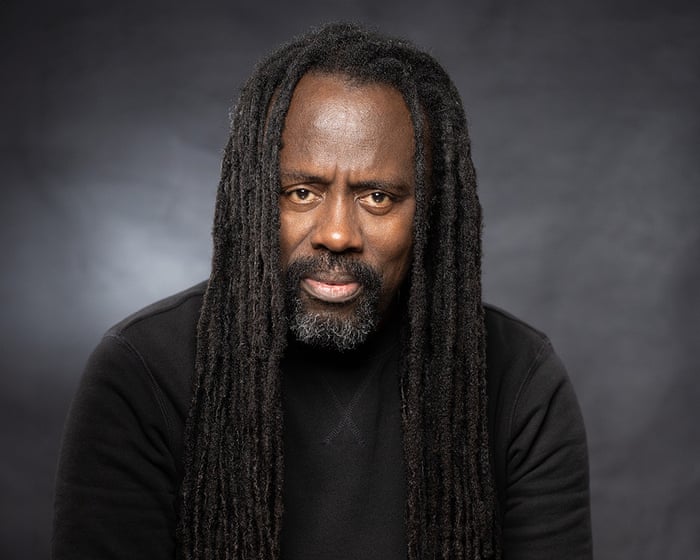
Paul Boakye is the author of plays including Boy With Beer and Wicked Games. In the UK and Ireland, Samaritans can be contacted on freephone 116 123. In the US, you can call or text the National Suicide Prevention Lifeline on 988, chat on 988lifeline.org, or text HOME to 741741 to connect with a crisis counselor. In Australia, the crisis support service Lifeline is 13 11 14. Other international helplines can be found at befrienders.org.
Frequently Asked Questions
Here is a list of FAQs based on the article title A moment that changed me When I was diagnosed it felt like a death sentence So how have I managed to survive another 40 years
General Definition Questions
Q What is this article about
A Its a personal story about someone who was given a serious medical diagnosis that they initially believed would kill them quickly The article explains how they coped adapted and ended up living for four more decades
Q Is this about a specific disease
A The title doesnt name a specific illness It focuses on the universal experience of receiving a lifealtering diagnosis and learning to live with it longterm
Q Who is the target audience for this story
A Anyone facing a difficult health diagnosis their loved ones or anyone interested in stories of resilience and survival
Emotional Psychological Questions
Q Why did the diagnosis feel like a death sentence
A The person likely received news that they had a serious incurable or lifethreatening condition At that moment they assumed their life was over or drastically shortened which is a common initial shock reaction
Q How did the author get past that initial fear
A The article probably details a shift in mindsetmoving from focusing on death to focusing on quality of life finding purpose seeking support and learning to manage their condition day by day
Q Did the author ever feel hopeless again after the first few years
A Yes its very common Even after surviving people with chronic conditions often face setbacks new symptoms or emotional lows The key is having coping strategies and a support system
Practical Survival Tips
Q What practical steps helped the author survive 40 years
A Likely a combination of following medical treatment plans making lifestyle changes building a strong support network and learning to listen to their bodys limits
Q How can I apply this to my own diagnosis
A Start by accepting the initial fear but dont let it control you Seek second opinions join support groups set small daily goals and focus on what you can control