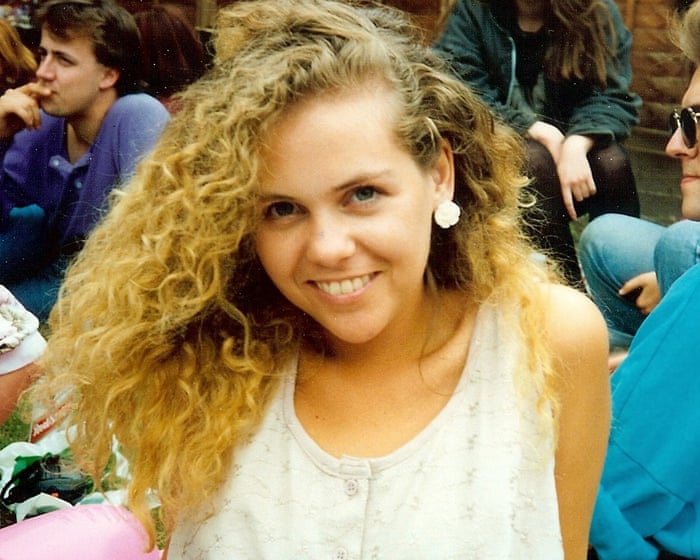
Έγινα πεσκατάρια όταν ήμουν 16. Εκείνη την εποχή, δεν γνώριζα κανέναν άλλο στην οικογένειά μου ή ανάμεσα στους φίλους μου που ήταν χορτοφάγος ή πεσκατάρια, αλλά ένιωθα ότι ήταν η σωστή επιλογή για μένα.
Ήταν η δεκαετία του 1980, και η BSE—που σύντομα θα γινόταν εθνική κρίση—μόλις είχε εμφανιστεί στο Ηνωμένο Βασίλειο. Νέες έρευνες υπέδεικναν ότι η κατανάλωση κρέατος μπορεί να είναι επιβλαβής για την υγεία. Αυτό, σε συνδυασμό με την απαίσια μυρωδιά από ένα κοντινό βυρσοδεψείο στο Γιαρμ και ένα σφαγείο λίγο πιο πέρα στο Στόκτον-ον-Τις, με έπεισαν ότι η εγκατάλειψη του κρέατος ήταν ο σωστός δρόμος.
Κοιτώντας πίσω, είναι δύσκολο να πιστέψει κανείς πόσο παράξενη φαινόταν η απόφασή μου σε όλους γύρω μου. Στην κατώτερη μεσαία τάξη της οικογένειάς μου στη βορειοανατολική Αγγλία εκείνη την εποχή, η μη συμμόρφωση δεν ήταν ακριβώς κάτι που ενθαρρυνόταν. Οι άνθρωποι προτιμούσαν να κάνεις ό,τι σου λέγανε. Λόγω των ασυνήθιστων διατροφικών μου συνηθειών, τα γεύματα άρχισαν να μοιάζουν επαναλαμβανόμενα, γεμάτα με ατελείωτες, ελαφρώς εχθρικές ερωτήσεις σχετικά με το τι θα έτρωγα ή όχι.
«Θα φας λίγη γαλοπούλα τα Χριστούγεννα, έτσι δεν είναι;» με ρωτούσε η οικογένειά μου.
«Όχι, δεν θα φάω,» απαντούσα, ξανά και ξανά.
«Μα η γαλοπούλα είναι τα Χριστούγεννα.»
«Η γαλοπούλα είναι πουλερικό.»
«Αυτό μοιάζει με φάση. Απλά βάλε λίγο κρέας στο πιάτο της.»
Και έτσι συνεχιζόταν. Ακόμα και όταν μου σερβίριζαν κρέας, το απέφευγα. Διεύκρινα την απόφασή μου.
Για μένα, το να διαλέγω τι βάζω στο σώμα μου φαινόταν απόλυτα λογικό—εξάλλου, ήταν το δικό μου σώμα. Οι άνθρωποι συχνά ρωτούσαν αν το έκανα για να παραμείνω λεπτή ή για να τραβήξω την προσοχή. Μερικοί πίστευαν ότι ήμουν ηθικολόγος, λες και οι προσωπικές μου επιλογές τους έκαναν να αμφισβητούν τις δικές τους. Θυμάμαι φίλους να αναρωτιούνται αν οι περιορισμένες μαγειρικές μου ικανότητες θα με έκαναν λιγότερο ελκυστική ως σύντροφο—«ένας άνδρας χρειάζεται μια γυναίκα που μπορεί να μαγειρέψει κρέας». Πολλοί υπέθεταν ότι πρέπει να είμαι αυτό το τρομερό πράγμα σε μια γυναίκα: πολιτικά συνειδητή. Και είχαν δίκιο—ήμουν.
Η πεσκαταριανή μου διατροφή με οδήγησε να γίνω πιο ενεργή σε θέματα σχετικά με την υγεία και το περιβάλλον. Σύντομα βρήκα τον εαυτό μου να διαμαρτύρεται έξω από το Boots με μια πινακίδα που έγραφε «ομορφιά χωρίς ωμότητα». Διάβασα τη συνέντευξη της Linda McCartney στο περιοδικό της Vegetarian Society το 1984 και άρχισα ακόμα και να ακούω τους Beatles επειδή ο George Harrison και ο Paul McCartney ήταν χορτοφάγοι. Δεν προσπαθούσα να αμφισβητήσω τις πεποιθήσεις κανενός· απλά δεν μου άρεσε η ιδέα να τρώω σάρκα.
Για χρόνια, αρνιόμουν ευγενικά το κρέας τουλάχιστον δύο φορές την ημέρα. Ακόμα και αφού οι γονείς μου αποδέχτηκαν ότι ήμουν σοβαρή, έπρεπε ακόμα να εξηγώ τον εαυτό μου στις μητέρες των φίλων μου, στο προσωπικό των εστιατορίων, σχεδόν σε όλους όσους γνώρισα στην Ιταλία (όπου πέρασα ένα χρόνο στις αρχές των είκοσι) και απολύτως σε όλους στη Μποτσουάνα (όπου έζησα για δύο χρόνια στα μέσα των είκοσι). Όταν πήγα στο πανεπιστήμιο το 1987, οι χορτοφάγοι κάθονταν σε ξεχωριστό τραπέζι «για ευκολία»—μας θεωρούσαν ξεκάθαρα παράξενους. Μια φορά, όταν είχα ολίσθηση δίσκου, ένας γιατρός πρότεινε ακόμη ότι οφειλόταν στο ότι δεν έτρωγα κρέας.
Κοιτώντας πίσω, συνειδητοποιώ πώς αυτές οι προκλήσεις με διαμόρφωσαν. Πάντα ήμουν ένα άτομο που προσπαθούσε να ευχαριστήσει τους άλλους, υπερβοικά υπάκουη και αναζητούσα την έγκριση των άλλων για να νιώθω καλά με τον εαυτό μου. Πρεσβεύω ότι ενδιαφερόμουν για τα χόμπι των άλλων, δεσμεύοταν υπερβολικά το χρόνο μου και έπαιρνα την ευθύνη για πράγματα που δεν φταίγαμε. Πάντα προσπαθούσα να διατηρήσω την ειρήνη και να κάνω όλους ευτυχισμένους. Αλλά το να μαθαίνω τι ήθελα για τη δική μου ζωή και πώς να φροντίζω τον εαυτό μου με δίδαξε να θέτω όρια. Μερικές φορές ήταν τόσο απλό όσο το να διαλέγω χαλούμι αντί για παϊδάκι αρνιού, αλλά ήταν καλή πρακτική για μεγαλύτερες αποφάσεις. Με κάθε γεύμα—πρωινό, μεσημεριανό και βραδινό—γινόμουν καλύτερη στο να λέω όχι, κάτι που οι γυναίκες ιδιαίτερα δυσκολεύονται συχνά.
Το να μαθαίνω να εκφράζω τι με έκανε να νιώθω άνετα, εκτιμημένη και ευτυχισμένη μου έδωσε αυτοπεποίθηση που με συνοδεύει μέχρι την ενήλικη ζωή. Με τα χρόνια, είχα το θάρρος να ζητώ προαγωγές και αυξήσεις μισθού, να λέω στους ανθρώπους πότε να φύγουν ή να μείνουν, να ζητώ συγγνώμη και να ζητώ συγγνώμη, και να βρίσκω τη θέση μου σε πολλές καταστάσεις. Το να μιλάς για ό,τι πιστεύεις απαιτεί εξάσκηση.
Το να είσαι πεσκατάρια σήμερα δεν είναι σχεδόν καθόλου αμφιλεγόμενο, αλλά είμαι ακόμα ευγνώμων για τη δοκιμασία που πέρασα ως «παράξενος». Τώρα, εκτιμώ όλα τα είδη της ιδιοτροπίας—ακόμα και την πείσμα—γιατί κρατάει τους ανθρώπους δεσμευμένους και ενδιαφέροντες.
Our Beautiful Mess της Adele Parks εκδίδεται στις 28 Αυγούστου (HarperCollins, £16.99). Για να υποστηρίξετε τον Guardian, παραγγείλτε το αντίγραφό σας στο guardianbookshop.com. Μπορεί να ισχύουν χρεώσεις παράδοσης.
Συχνές Ερωτήσεις
Φυσικά Εδώ είναι μια λίστα με συχνές ερωτήσεις σχετικά με το θέμα γραμμένες με φυσικό, συνομιλικό ύφος
Γενικές Ερωτήσεις για Αρχάριους
Ε Γιατί σταμάτησες να τρως κρέας στα 16;
Α Συνειδητοποίησα ότι οι προσωπικές μου αξίες δεν ευθυγραμμίζονταν πλέον με την κατανάλωση ζώων. Ήταν μια απόφαση βασισμένη στην ηθική και μια αυξανόμενη ευαισθητοποίηση.
Ε Τι σημαίνει να μαθαίνεις πώς να λες όχι σε αυτό το πλαίσιο;
Α Σημαίνει να αποκτάς την αυτοπεποίθηση να αρνείσαι ευγενικά φαγητό ή κοινωνική πίεση που πάει ενάντια στις προσωπικές σου επιλογές, ακόμα και όταν νιώθεις άβολα.
Ε Ήταν δύσκολο να σταματήσεις;
Α Στην αρχή, ναι. Ήταν μια μεγάλη αλλαγή και έπρεπε να μάθω πολλά για τη διατροφή και πώς να αντιμετωπίζω κοινωνικές καταστάσεις όπως τα οικογενειακά γεύματα.
Ε Τι έτρωγες αντ' αυτού;
Α Εξερεύνησα πολλά νέα τρόφιμα όπως φασόλια, φακές, τόφου, ξηροί καρποί και λαχανικά. Μου άνοιξε έναν εντελώς νέο κόσμο μαγειρικής.
Ε Ένιωσες κάτι διαφορετικό αφού σταμάτησες;
Α Προσωπικά, ένιωθα πιο ελαφριά και είχα περισσότερη ενέργεια, αλλά η μεγαλύτερη αλλαγή ήταν μια ισχυρότερη αίσθηση ακεραιότητας και αυτοπεποίθησης.
Πρακτικές & Κοινωνικές Ερωτήσεις
Ε Πώς αντιμετωπίζεις οικογενειακές συγκεντρώσεις ή δείπνα όπου το κρέας είναι το κυρίως πιάτο;
Α Προσφέρομαι να φέρω ένα χορτοφαγικό πιάτο για να μοιραστώ, τρώω τα συνοδευτικά ή απλά τρώω πριν. Το κλειδί είναι να επικοινωνώ τις ανάγκες μου ευγενικά εκ των προτέρων.
Ε Ποιος είναι ο καλύτερος τρόπος να απαντάς όταν οι άνθρωποι αμφισβητούν ή κριτικάρουν την επιλογή σου;
Α Κρατάω τις απαντήσεις μου απλές και μη αντιπαραθετικές. Ένα απλό «Είναι μια προσωπική επιλογή που λειτουργεί για μένα» είναι συχνά αρκετό. Δεν αισθάνομαι την ανάγκη να το δικαιολογώ σε όλους.
Ε Δεν ανησυχούσαν οι γονείς σου ότι δεν θα λαμβάνεις αρκετή πρωτεΐνη;
Α Ναι, αυτή είναι μια κοινή ανησυχία. Έκανα την έρευνά μου και μπορούσα να τους δείξω όλες τις φυτικές πηγές πρωτεΐνης όπως τα φασόλια και η κινόα που έτρωγα.
Ε Μου λείπει ποτέ η γεύση του κρέατος;
Α Περιστασιακά, αλλά όχι πραγματικά. Οι γευστικοί μου κάλυκες άλλαξαν και ανακάλυψα τόσες πολλές άλλες νόστιμες γεύσεις που δεν αισθάνομαι ότι χάνω κάτι.
Σύνθετες & Αναφορικές Ερωτήσεις
Ε Πώς αυτή η μία απόφαση σου δίδαξε ένα μεγαλύτερο μάθημα σχετικά με τον καθορισμό ορίων;
Α Με το να διατηρώ αυτό το ένα ξεκάθαρο όριο, εξασκήθηκα στο να επιβεβαιώνω