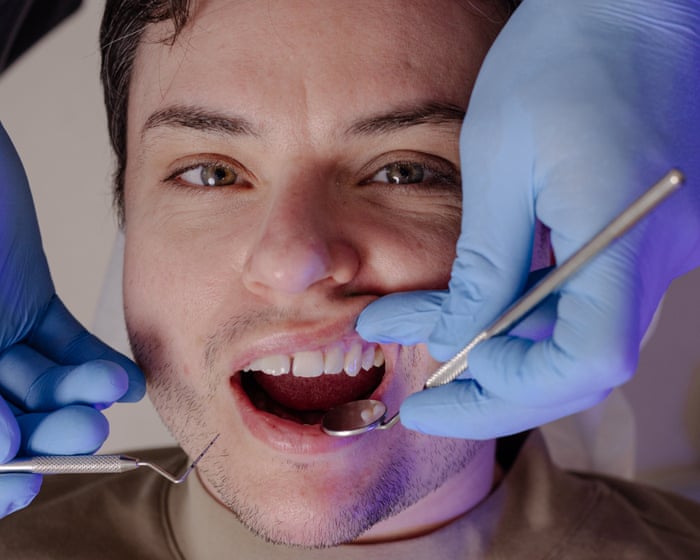
I haven’t always been afraid of the dentist. If you’d asked me ten years ago whether sitting in the dentist’s chair filled me with dread or made me break out in a cold sweat, I would have laughed and said no—what’s there to be afraid of? It was only in 2021, after I had a filling without being properly numbed, that I understood why people fear dental work. Even though I told him I was in excruciating pain, the dentist continued with the procedure anyway, and I was left with a new, deep-seated fear.
At first, it was easy to manage. I simply threw away the reminders to book checkups, ignored their calls, and got on with my life. After a year, I told myself I’d see the dentist soon—just not yet. I pushed the problem firmly to the back of my mind.
But as time passed, I began to feel a creeping sense of shame. I bristled whenever a friend mentioned a dentist visit, convinced they could tell I hadn’t been in years. I kept my dentist-dodging a secret and grew increasingly ashamed of myself—I felt weak and childish, incapable of a normal adult responsibility. But no matter how hard I tried, I couldn’t bring myself to go.
My avoidance came to a head one day in 2025. I noticed that whenever I ate something sweet, I had a sudden toothache. After a few weeks of panicking, I finally admitted my fears to a friend. They recommended a private practice in Shoreditch, London, that had helped them with dental anxiety. After reading its webpage, which promised a stress-free process for scared patients, I nervously booked an appointment.
When I arrived at the clinic a few days later, my hands were clammy and my forehead was covered in a sheen of cold sweat. By the time I went into my appointment, my legs felt like jelly. Before I even sat in the dentist’s chair, I launched into a confession that it had been four years since my last visit and how scared I was of another procedure going wrong.
Instead of telling me off, he immediately understood why I was afraid and reassured me that avoidance is a common response to bad dental work. He explained that his practice had a desensitisation process for anxious patients: instead of starting with invasive treatments, they begin with low-stress procedures, such as cleaning, to build confidence and restore my sense of safety. He also told me that if I ever felt pain during an appointment, he would stop immediately, and that I had nothing to be ashamed of—he was just glad I had come for a checkup at all.
After examining my teeth, he said the pain I felt was likely due to a buildup of plaque and I didn’t need a filling. I did need to have my wisdom teeth removed, but as promised, we would build up to that over a year or more to make sure I was comfortable and ready.
We decided to start with a hygienist session where I could pause the cleaning whenever I needed by raising my hand. It felt completely different from the rushed appointments with my previous dentist, who had rarely stopped to ask if I was OK or tell me what he was doing in my mouth. For the first time, I felt in control.
Afterwards, my deep sense of shame about dental care finally started to lift. I began talking to friends about my fear, and found that some of them secretly avoided dental appointments, too. Many told me the same thing—that their embarrassment also made it harder to ask for help.
I now go to the dentist regularly for checkups and hygiene visits, and am starting to think about wisdom teeth extraction—something that would have been unimaginable a few years ago. I only wish the desensitisation approach for anxious patients was more readily available in NHS clinics, but for me, overcoming my fear has been worth the cost.
I’ve learned that the time I spent avoiding the dentist wasn’t a personal failure, but a completely natural reaction to a traumatic experience—one that, with the right support, could be overcome. Do you have an opinion on the issues raWould you like to respond to this article? If you’d like to submit a response of up to 300 words by email for our letters section, please click here.
Frequently Asked Questions
FAQs The One Change That Worked I Was Terrified of the Dentist Until I Found a Very Special One
Beginner Questions
What is this article about
Its a firstperson story about someone with severe dental fear who finally overcame it after finding a dentist who understood and accommodated their fear
What is dental anxiety
Its a strong fear or nervousness about going to the dentist It can range from mild unease to a fullblown phobia that keeps people from getting care for years
Why are so many people afraid of the dentist
Common reasons include fear of pain bad childhood experiences feeling out of control embarrassment about the state of their teeth and the sounds and smells of a dental office
What made this particular dentist special
The dentist treated the patients fear as real and valid Instead of rushing or lecturing they listened explained everything went at the patients pace and created a judgmentfree environment
Can dental fear actually be overcome
Yes Most people can manage or overcome it with the right dentist open communication and gradual exposure It often doesnt disappear completely but it becomes manageable
Intermediate Questions
What practical things did the dentist do differently
Typical strategies include agreeing on a stop signal explaining each step before doing it starting with small noninvasive visits offering breaks and avoiding guilt or shame about past neglect
How do I find a dentist who is good with anxious patients
Look for dentists who advertise gentle dentistry sedation dentistry or care for anxious patients Read reviews ask friends and book a consultationonly visit first to see how they treat you
What is a stop signal and why does it help
Its a prearranged gesture that tells the dentist to pause immediately It gives you a sense of control which is one of the biggest factors in reducing dental fear
Is it okay to tell my dentist Im scared
Absolutely Dentists see anxious patients all the time Telling them upfront lets them adjust their approach and helps you feel less alone in the chair
What if I havent been to a dentist in years and Im embarrassed
Youre not alonemany people avoid the dentist for years A good dentist