What do you think about the state of contemporary ballet or keeping cats as pets? There are no right or wrong answers here, just different opinions. It’s hard to imagine getting upset over someone sharing a different view on either topic – unless, of course, they’re a celebrity and you’re on the internet.
The cycle of celebrity outrage has never been particularly meaningful, but lately it’s gotten faster and even more ridiculous. Let’s go back to those questions. Actors Timothée Chalamet and Jessie Buckley found themselves in trouble just before the Oscars: Chalamet for criticizing opera and ballet, and Buckley for disliking cats (specifically, for pushing her now-husband to get rid of his two cats).
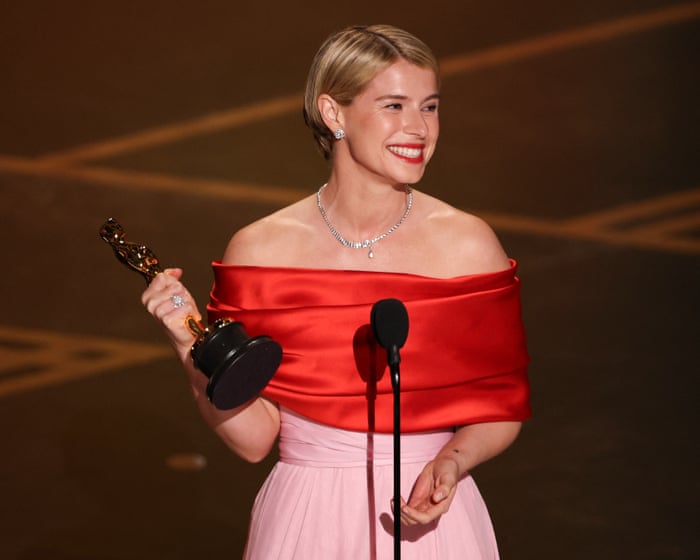
The backlash against both was so strong that it seemed to threaten their chances of winning an Academy Award. Buckley backtracked and went on a talk show to clarify that she actually loves cats: “Does the world think that I really don’t love cats? … It’s really weighed on me … I felt sick.” After calming down the cat lovers, she went on to win Best Actress.
Chalamet, however, didn’t apologize or even acknowledge the widespread backlash from his comments that “no one cares about” ballet and opera. Two months later, people are still talking about it, with actress Charlize Theron finally weighing in just this week.
If you can already feel your brain falling apart like wet cake, I’m afraid these controversies only get more pointless. After mentioning he wasn’t a big fan of Taylor Swift, Hunger Games actor Josh Hutcherson was flooded with online abuse, much of it focused on his height. “He’s a monster! Destroy him! He’s short! He hates her because he’s short! … That is why I don’t want to be online,” Hutcherson said this week.
Life is short, our time is limited, and a third world war might be right around the corner. I don’t want to waste what’s left of my attention span on these fleeting non-events, forced to learn about how a celebrity has failed to meet our impossible standards and been Held Accountable.
Of course, there are deeper reasons behind this empty cycle. With long promotional tours and the rise of podcasts and short-form videos, celebrities are more exposed than ever. This gives them more chances to make offhand comments that they then have to apologize for or explain for weeks. These controversies also reliably get clicks, making even “serious publications” pay attention. I’m part of the problem, since I regularly write about celebrities for this publication. But in the past five years, I’ve watched the bar for causing offense drop lower and the intensity of feelings grow stronger.
This reflects the increasingly tribal nature of online life, where someone not liking cats or Taylor Swift is seen as a direct attack on your identity as a cat-loving Swiftie. Algorithms that reward the most extreme and emotional statements on any issue are making the conversation even worse.
I often find myself wondering: who cares? As a lifelong fan of pop culture, I truly believe it can be approached thoughtfully, in a way that tells us something about ourselves and the times we live in. But if there are chances to learn, understand, or grow hidden within these stories, they’re being lost to the loudness of opinions and the speed at which they flare up and are then forgotten.
Maybe these low-stakes controversies are a strange way of comforting ourselves, a way to feel in control in an increasingly unstable world. But our attention, time, and energy are, without a doubt, limited. Even if it feels good in the short term, no one benefits in the long run from creating fake offenses and demanding apologies just for the sake of it.
I refuse to believe this cycle is a good use of our collective resources or the best conversation we can hope for. Celebrities can help change the culture by only apologizing when real harm has been done, and audiences can try to do the same.We need to be reasonable about the standards we set for public figures. When someone famous doesn’t live up to the image we’ve created of them in our minds, it’s okay to just shrug and move on. Sure, I didn’t like how casually Buckley talked about getting her husband to give up his cats, but it would be dishonest of me to act like she was asking me to get rid of mine.
Elle Hunt is a freelance journalist.
Do you have an opinion on the issues raised in this article? If you’d like to submit a response of up to 300 words by email for possible publication in our letters section, please click here.
Frequently Asked Questions
Here is a list of FAQs about why celebrities are pressured to apologize for seemingly harmless things written in a natural tone with direct answers
BeginnerLevel Questions
Q Why do celebrities have to apologize for saying something that wasnt even mean
A Because even a harmless comment can be misunderstood or taken out of context by a large audience Celebrities apologize to stop the backlash quickly not because they always did something wrong
Q Is it just about being canceled
A Partly The fear of losing fans brand deals or job opportunities is very real An apology is often seen as the fastest way to protect their career
Q Who decides that a celebrity needs to apologize
A Usually a loud group of people on social media decides something is offensive News outlets and gossip blogs then amplify it creating pressure
Q Whats an example of a harmless thing that got a huge apology
A A celebrity might post a photo of a food that looks like a flag or make a joke about their own bad luck Fans might interpret it as cultural appropriation or tonedeaf even if no harm was meant
IntermediateLevel Questions
Q Why dont celebrities just ignore the backlash
A Sometimes they do but ignoring it often makes the story bigger A quick apology can kill the story in the news cycle Plus brands that pay them millions want to avoid any negative association
Q Doesnt apologizing for little things make the apology meaningless
A Yes many people think it does Its called apology fatigue When celebrities apologize for everything it cheapens real apologies for serious mistakes But they do it because the system demands it
Q Is it really forcing them or do they choose to apologize
A Its a mix No one physically forces them but the social and financial pressure is intense They often have publicists and lawyers who strongly advise them to apologize immediately to avoid a bigger crisis
Q Why do we hold celebrities to a higher standard than regular people
A Because they have a platform and influence The idea is that their words reach millions so they should be more careful However this standard is often applied unfairly punishing innocent jokes