Scotland is fully embracing one of its most cherished traditions: the mix of hope and anxiety that comes with a football World Cup, all delivered with a healthy dose of self-deprecating humor.
There are bold new tartans, a bar in Edinburgh offering free Irn-Bru-infused “fiery ginger” beers to red-haired customers, a partnership between Scottish whisky companies and a Brazilian distiller, and all-night parties in nightclubs turned into fan zones.
Fans flying to the US from Edinburgh and Glasgow airports were greeted by pipers in the check-in halls. At Edinburgh, there was even a full military tattoo marching band, complete with a troupe of Highland dancers.
Add to that a classic row with the English—this time over comments on Good Morning Britain by Ed Balls, Susanna Reid, and pundit Kevin Maguire, who made dismissive remarks about the extra bank holiday for Scotland approved by the king—and the stage is perfectly set.
It’s been 28 years since Scotland last qualified for a World Cup—nearly three decades of crushing defeats and disappointment, all while watching their bitter rivals, England, repeatedly make it to the tournament.
That wait ends at 2am UK time on Sunday, when Scotland faces underdogs Haiti in Boston. Despite the late hour, perhaps a million or more Scots will be awake, watching at home, at friends’ houses, in bars, or at fan zones across the country.
First Minister John Swinney will be at the game, as a guest of the Scottish Football Association. He’s combining sport with opportunistic Brand Scotland trade, cultural meetings at Harvard University, and talks with local political leaders.
The fan zone at SWG3, one of Glasgow’s trendiest venues in the post-industrial west end, has already sold out for that match and the following games against two trophy contenders, Brazil and Morocco. Around 1,300 people will gather for each of those overnight matches.
“The venue is certainly no stranger to a party atmosphere at 2am,” said operations director Bob Javaheri. “But usually, we’re winding down by that time, not gearing up.
“I have a few friends heading to the US for the tournament, and as much as I’m disappointed not to join them on the road, I’ve no doubt they’ll keep me well updated on their trip. So I’ll live it all through them.
“The last time Scotland was in the World Cup, I watched the Scotland vs Brazil game with my mum at home. I think I’ll have to bring her in so we can relive that magic on the big screen this time.”
The excitement has been fueled by the drama of Scotland’s final qualifying match against Denmark at Hampden Park, where two stunning goals at the start and end of the game sent fans into a frenzy.
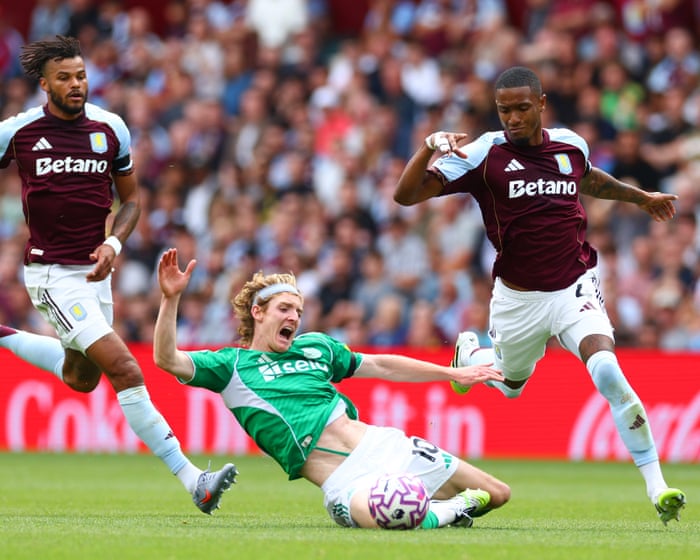
It was a must-win game for Scotland. Within three minutes of kick-off, their star midfielder Scott McTominay scored an incredible overhead goal. Then, after Denmark went down to 10 men but still equalized twice, Scotland sealed a 4-2 victory with a bold goal from the halfway line.
As Kenny McLean looked up from his own half in the dying seconds of extra time, setting up his shot, the loud shouts of “shoot, shoot” from the stands were clearly heard on TV. The goal went in, and Hampden erupted.
Those four goals have become iconic in Scotland. McTominay’s overhead kick is immortalized in a huge mural on a gable end near Hampden Stadium. Posters, hoodies, mugs, and T-shirts featuring all four scorers in action have been printed.
But for older fans, that game brings back memories of other times when the nation was swept up in naive dreams of success. The most famous was Archie Gemmill’s solo goal against the Netherlands in Argentina in 1978, where he danced past three defenders with balletic skill.Scotland won that game 3-2 but didn’t advance, while the Dutch made it to the final. Back then, the team was managed by Ally MacLeod, who boldly declared that Scotland would win the tournament. The country nicknamed his squad “Ally’s Tartan Army,” and their song, written by Andy Cameron and performed on Top of the Pops, is still sung by fans who lived through that era.
Hamish Husband, a lifelong Scotland supporter and spokesperson for the Association of Tartan Army Clubs, recalled the “mass over-confidence fueled by the overly enthusiastic and somewhat naive manager, Ally MacLeod. And the whole nation bought into it.”
The country is more cautious now, said Husband, who flew out to join Scotland’s fans in Boston on Thursday. But a sense of fatalism has become part of the collective memory: “There’s still that feeling that something is going to go wrong.”
Gerry Hassan, a political commentator and academic who studies Scottish football, said he was humming Ally’s Tartan Army to himself during a walk last week. He’s looking forward to watching the game at a friend’s house in Kirkcudbright, a small market town in Dumfries and Galloway.
“That experience—the hope, then disappointment, disaster, and near redemption—near redemption might actually be more poignant than actual redemption,” Hassan said.
In a world marked by extreme volatility, financial strain, and political turmoil, this World Cup offers fans a moment of shared celebration and community.
“It’s a rare thing in modern life to be part of something bigger than yourself, to feel connected to others, and not just be isolated individuals. There’s a community here, friendship, and shared memories—and some of that, we have a hand in creating.”
Frequently Asked Questions
Here is a list of FAQs about Pipers and Dreams World Cup fever grips Scotland again after 28 years covering beginner and advanced questions
BeginnerLevel Questions
1 What is Pipers and Dreams Is it a movie
Its not a movie Pipers and Dreams is a popular phrase used by Scottish football fans and media to describe the unique emotional blend of national pride and longheld hope that comes with Scotland qualifying for a major tournament
2 Why is this World Cup different from others
This is a huge deal because Scotland hasnt qualified for a FIFA World Cup in 28 years The last time was in 1998 For a whole generation of fans this is the first time theyve ever experienced their country playing on the worlds biggest stage
3 What does World Cup fever mean
It means the entire country gets swept up in excitement People who dont usually watch football start paying attention Pubs book up early flags hang from windows and everyone talks about the national team Its a contagious feeling of national unity and celebration
4 Why are bagpipes mentioned in the context of football
Bagpipes are a strong symbol of Scottish identity Youll often see pipers playing at Scotland home games to fire up the crowd The phrase Pipers and Dreams uses the bagpipes to represent the unique Scottish atmosphere and tradition that comes back to life during a World Cup run
IntermediateLevel Questions
5 How did Scotland manage to qualify after such a long drought
It was a combination of a talented new generation of players strong team spirit under the manager and a successful qualifying campaign where they beat key rivals and handled pressure well
6 What are the biggest challenges Scotland will face at the World Cup
The main challenge is inexperience on the biggest stage Most of the squad has never played in a World Cup They also face tough opponents and will need to manage the immense pressure and expectations from the entire nation without getting overwhelmed
7 What is the Tartan Army
The Tartan Army is the nickname for the Scotland national football teams supporters They are famous worldwide for their goodnatured friendly and