Ο πόλεμος του Βλαντίμιρ Πούτιν στην Ουκρανία εισήλθε στον πέμπτο χρόνο του στις 24 Φεβρουαρίου, χωρίς να φαίνεται το τέλος παρά την συντριπτική υλική υπεροχή της Ρωσίας.
Οι περισσότεροι ειδικοί αρχικά προέβλεπαν την ήττα της Ουκρανίας μέσα σε λίγες μέρες. Ο πληθυσμός της Ρωσίας είναι πάνω από τρεις φορές μεγαλύτερος, το ΑΕΠ της περίπου δέκα φορές μεγαλύτερο και ο στρατός της, μαζί με το οπλοστάσιο των τανκ, πυροβολικού, πυραύλων και πολεμικών αεροσκαφών, είναι πολύ εκτενέστερο. Οι Ρώσοι ηγέτες, συμπεριλαμβανομένου του Πούτιν, περίμεναν οι Ουκρανοί να παραδοθούν, ίσως ακόμη και να υποδεχτούν τα στρατεύματά τους. Ενώ οι υπηρεσίες πληροφοριών των ΗΠΑ και της Βρετανίας προέβλεψαν την εισβολή, επίσης ανέμεναν μια γρήγορη ρωσική νίκη.
Η ισχυρή ηθική της Ουκρανίας είναι ένας βασικός λόγος που έχει αψηφήσει αυτές τις πρώιμες προβλέψεις. Ο στρατός της έχει υποστεί μεταξύ 500.000 και 600.000 απώλειες, συμπεριλαμβανομένων 100.000 έως 140.000 θανάτων, ωστόσο διατηρεί τη θέληση να πολεμήσει. Η Ρωσία, σύμφωνα με πληροφορίες, έχει υποστεί ακόμη βαρύτερες απώλειες — περίπου 1,2 εκατομμύρια απώλειες, με 219.000 επιβεβαιωμένους θανάτους μέσω αρχείων, και κάποιες εκτιμήσεις τοποθετούν το σύνολο έως και 325.000. Γεωτοποθετημένα δεδομένα δείχνουν ότι περίπου 24.000 τεμάχια ρωσικού εξοπλισμού έχουν καταστραφεί, υπέστησαν ζημιές, εγκαταλείφθηκαν ή αιχμαλωτίστηκαν. Κανείς δεν περίμενε τέτοιες συγκλονιστικές απώλειες, και σίγουρα όχι ο Πούτιν.
Οι ουκρανοί πολίτες έχουν επίσης υποστεί τρομερές δυσκολίες. Κατά τη διάρκεια του χειμώνα 2022–23, η Ρωσία επιτέθηκε επανειλημμένα στο δίκτυο ηλεκτρικής ενέργειας της Ουκρανίας, αφήνοντας εκατομμύρια χωρίς φως, θέρμανση ή νερό. Ο περασμένος χειμώνας ήταν ακόμη χειρότερος, με χιλιάδες μη επανδρωμένα αεροσκάφη (drones) και πυραύλους να στοχεύουν πόλεις και σταθμούς ηλεκτροπαραγωγής. Η Ουκρανία στερείται των απαραίτητων συστημάτων αντιπυραυλικής άμυνας για να προστατεύσει όλους αυτούς τους στόχους.
Ωστόσο, οι επισκέπτες στην Ουκρανία ακούνε συνεχώς κάποια εκδοχή του ίδιου ρεφρέν: «Δεν έχουμε άλλη επιλογή παρά να πολεμήσουμε αν θέλουμε να επιβιώσουμε». Κανένας Ρώσος στρατιώτης δεν πιστεύει ότι η χώρα του αντιμετωπίζει μια συγκρίσιμη υπαρξιακή απειλή. Όπως έμαθαν οι Γάλλοι και οι Αμερικανοί στο Βιετνάμ, υψηλότερα διακυβεύματα μπορούν να ενισχύσουν σημαντικά το ηθικό.
Στο πεδίο της μάχης, τα drones της Ουκρανίας έχουν εμποδίσει τους Ρώσους στρατηγούς να διεξάγουν τον πόλεμο με τον προτιμώμενο τρόπο τους — να συγκεντρώνουν τεθωρακισμένες ταξιαρχίες για να διασπάσουν τις εχθρικές γραμμές και να αναπτύξουν πεζικό για να καταλάβουν έδαφος. Σε αυτή τη σύγκρουση που κυριαρχούν τα drones, τέτοιες ελιγμοί είναι αυτοκτονικοί. Η Ρωσία έχει αναγκαστεί σε έναν πόλεμο εξάντλησης, αλλά αυτό έχει διπλή όψη: η Ουκρανία επίσης δεν μπορεί να συγκεντρώσει τις δυνάμεις της για μεγάλες προσεγγίσεις.
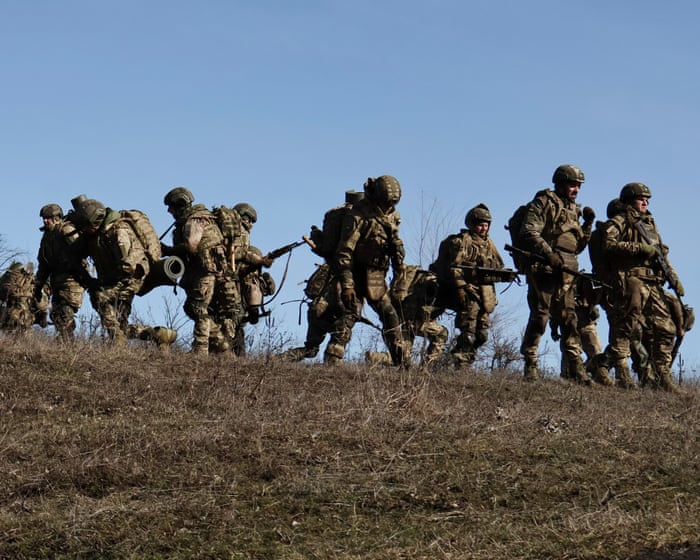
Οι Ρώσοι διοικητές έχουν προσαρμοστεί, στέλνοντας μικρές μονάδες πεζικού να διεισδύσουν στις ουκρανικές γραμμές και χρησιμοποιώντας πολιτικά οχήματα, μοτοσικλέτες, ακόμη και ζώα για να εφοδιάζουν τα στρατεύματα ενώ περιορίζουν τις απώλειες σε τεθωρακισμένα. Η Ουκρανία, χάρη στους τεχνολογικά προικισμένους πολίτες της που συχνά εργάζονται σε πρόχειρες εγκαταστάσεις, διατηρεί ένα ποιοτικό πλεονέκτημα στην τεχνολογία drones. Αυτή η εμπειρογνωμοσύνη είναι ζωτικής σημασίας, καθώς τα drones αντιπροσωπεύουν πλέον το 60–70% των απωλειών στον πόλεμο.
Η Ουκρανία έχει χρησιμοποιήσει αμείλικτα drones και όλο και περισσότερους δικούς της πυραύλους — όπως τον τροποποιημένο αντιπλοϊκό πύραυλο Long Neptune και τα μοντέλα Flamingo — για να χτυπήσει μακρινά ρωσικά κέντρα διοίκησης, αεροδρόμια και αποθήκες πυρομαχικών. Έχει χτυπήσει τουλάχιστον μία φορά περισσότερο από το μισό των μεγάλων ρωσικών διυλιστηρίων πετρελαίου, μειώνοντας την παραγωγική τους ικανότητα και προκαλώντας ελλείψεις καυσίμων, μεγάλες ουρές και αύξηση τιμών σε ορισμένες περιοχές. Αυτές οι βαθιές επιθέσεις έχουν επίσης διαταράξει τη ρωσική εφοδιαστική. Επιπλέον, τα θαλάσσια drones και οι αντιπλοϊκοί πύραυλοι της Ουκρανίας έχω απομακρύνει το ρωσικό στόλο της Μαύρης Θάλασσας από την ακτή. Από τη βύθιση του ναυαρχίσκου Moskva τον Απρίλιο του 2022, η Ουκρανία έχει καταστρέψει περίπου δύο ντουζίνες πλοία, αναγκάζοντας το ρωσικό ναυτικό να μεταφέρει την έδρα του από τη Σεβαστούπολη της Κριμαίας στο Νοβοροσίσκ στην ανατολική ακτή της Μαύρης Θάλασσας.
Εν ολίγοις, οι ρωσικές δυνάμεις δεν κατάφεραν να χρησιμοποιήσουν το αριθμητικό τους πλεονέκτημα για να καταλάβουν έδαφος με τον ρυθμό που το έκαναν το 2022 (το μεγαλύτερο μέρος του οποίου η Ουκρανία ανακατέλαβε μέχρι το τέλος της χρονιάς). Από το 2024, ακόμη και σε σημαντικές επιθέσεις — όπως αυτές κατά του Ποκρόβσκ και του Μυρνόγκραντ — οι μέγιστες μέσες ημερήσιες εδαφικές κτήσεις της Ρωσίας περιορίστηκαν. Οι ρωσικές προσεγγίσεις περιορίστηκαν σε μόλις 70 μέτρα, και πέρυσι υπέστη μέσες μηνιαίες απώλειες σχεδόν 35.000 στρατιωτών. Από την κατάληψη του Αβντίιβκα — που είχε προπολεμικό πληθυσμό 30.000 κατοίκων — τον Φεβρουάριο του 2024, η Ρωσία δεν κατέλαβε άλλη μεγάλη πόλη μέχρι αυτόν τον Φεβρουάριο και έχει κερδίσει μόνο το 1,5% του ουκρανικού εδάφους. Για να προσαρτήσει το υπόλοιπο Ντονμπάς, θα χρειαζόταν να διασπάσει τα αμυντικά οχυρά και να καταλάβει την μεγάλη αστική περιοχή που περιλαμβάνει τις Σλαβιάνσκ, Κραματόρσκ και Κονστιαντίβκα. Ο αστικός πόλεμος είναι περιβόητα αιματηρός.
Η Ουκρανία αντιμετωπίζει αρκετές προκλήσεις, ιδιαίτερα τις ελλείψεις σε προσωπικό που επιδεινώνονται από την αποφυγή στράτευσης. Ενώ τα δυτικά μέσα ενημέρωσης έχουν ευρέως αναφέρει αυτό, συχνά υποδηλώνουν ότι ο μεγαλύτερος πληθυσμός της Ρωσίας εξασφαλίζει μια σταθερή προσφορά εργατικού δυναμικού. Στην πραγματικότητα, η Ρωσία στρέφεται όλο και περισσότερο στην προσέλκυση ξένων μαχητών — συμπεριλαμβανομένων από την Αφρική, την Κούβα, την Κεντρική Ασία, την Ινδία και το Νεπάλ — και έχει στρατολογήσει χιλιάδες Βορειοκορεάτες στρατιώτες. Παρά την αυξανόμενη οικονομική πίεση, η Μόσχα προσφέρει επίσης στους στρατιώτες γενναιόδωρα μπόνους υπογραφής και μισθούς για να ενθαρρύνει την στράτευση.
Η Ρωσία δεν έχει χάσει τον πόλεμο. Η οικονομία της δεν καταρρέει, και εξακολουθεί να διαθέτει σημαντική πυροδύναμη. Ωστόσο, η στρατιωτική της απόδοση έχει αποδειχθεί ανοργάνωτη, ακόμη και με την παύση του Ντόναλντ Τραμπ στην άμεση στρατιωτική βοήθεια στο Κίεβο. Αυτό μπορεί να εξηγεί την τελευταία πρόταση του Πούτιν. Έχει από καιρό ορίσει τη νίκη ως την κατάκτηση τεσσάρων επαρχιών: Λουγκάνσκ, Ντονέτσκ, Ζαπορίζια και Χερσώνα. Η Ρωσία επί του παρόντος ελέγχει πλήρως μόνο το Λουγκάνσκ. Τώρα ο Πούτιν προσφέρει μια συμφωνία — υπό τον όρο ότι η Ουκρανία παραδώσει το υπόλοιπο Ντονέτσκ.
Παρά ο Πούτιν ισχυρίστηκε πρόσφατα ότι «τα στρατεύματά μας προωθούνται σε όλο το μήκος της γραμμής επαφής», μπορεί να συνειδητοποιεί ότι οι αναφορές των στρατηγών του για την «απελευθέρωση» του Κουπιάνσκ στην επαρχία Χάρκοβο και την κατάληψη μεγάλων τμημάτων της Ζαπορίζια είναι υπερβολικές. Παρομοίως, οι δυτικές αναφορές ότι η Ουκρανία πρόσφατα απώθησε τις ρωσικές δυνάμεις από τμήματα των επαρχιών Ζαπορίζια και Ντνιπροπετρόφσκ προϋποθέτουν ότι οι ισχυρισμοί των ρωσών διοικητών για έλεγχο αυτών των περιοχών ήταν ακριβείς.
Παρά τις ισχυρές κριτικές του Τραμπ, ο Ουκρανός Πρόεδρος Βολοντίμιρ Ζελένσκι απορρίπτει οποιαδήποτε πολιτική διευθέτηση που θα παραχωρούσε στον Πούτιν έδαφος που ο στρατός του απέτυχε να καταλάβει. Δημοσκοπήσεις δείχνουν ότι αν και οι Ουκρανοί είναι κουρασμένοι από τον πόλεμο, το 75% συμφωνεί με αυτή τη στάση.
Συχνές Ερωτήσεις
Συχνές Ερωτήσεις για την Ανθεκτικότητα της Ουκρανίας και τη Θέση του Πούτιν
Ερωτήσεις Επίπεδου Αρχάριου
1. Σε τι αφορά αυτή η κατάσταση;
Αφορά τον συνεχιζόμενο πόλεμο στην Ουκρανία. Το 2022, πολλοί ειδικοί προέβλεπαν ότι η Ρωσία θα κέρδιζε γρήγορα, αλλά η Ουκρανία έχει οργανώσει μια ισχυρή, απρόσμενη άμυνα που συνεχίζεται μέχρι σήμερα.
2. Γιατί πίστευαν οι άνθρωποι ότι η Ουκρανία θα έπεφτε τόσο γρήγορα;
Η Ρωσία έχει πολύ μεγαλύτερο στρατό και οικονομία. Πολλοί αναλυτές υποτίμησαν τη θέληση της Ουκρανίας να πολεμήσει, την ικανότητα του στρατού της και την ταχύτητα και κλίμακα της δυτικής στρατιωτικής βοήθειας.
3. Άρα έχει κερδίσει η Ουκρανία;
Όχι ακόμα. Ο πόλεμος συνεχίζεται και είναι πολύ δύσκολος. Ωστόσο, η Ουκρανία έχει υπερασπιστεί με επιτυχία την ανεξαρτησία της, ανακτήσει κάποια έδαφος και προκάλεσε σοβαρή ζημιά στη στρατιωτική φήμη της Ρωσίας — αποτελέσματα που λίγοι προέβλεψαν στην αρχή.
4. Τι σημαίνει για την Ουκρανία το να παραμένει ισχυρή;
Σημαίνει ότι η Ουκρανία εξακολουθεί να ελέγχει το μεγαλύτερο μέρος της επικράτειάς της, η κυβέρνησή της λειτουργεί και ο στρατός της συνεχίζει να πολεμά. Έχει επιβιώσει από την αρχική ορμή και έχει προσαρμοστεί σε έναν εξαντλητικό πόλεμο εξάντλησης.
Προχωρημένες Στρατηγικές Ερωτήσεις
5. Πού αφήνει αυτό τον Πούτιν στρατηγικά;
Βρίσκεται σε μια εξασθενημένη και επικίνδυνη θέση. Οι αρχικοί του στόχοι