Награждаваната ямайска режисьорка Сосиесия Никсън пусна нов филм, който изследва трайната традиция на обеа в Ямайка – духовна лечебна практика, вкоренена в западноафриканската магия.
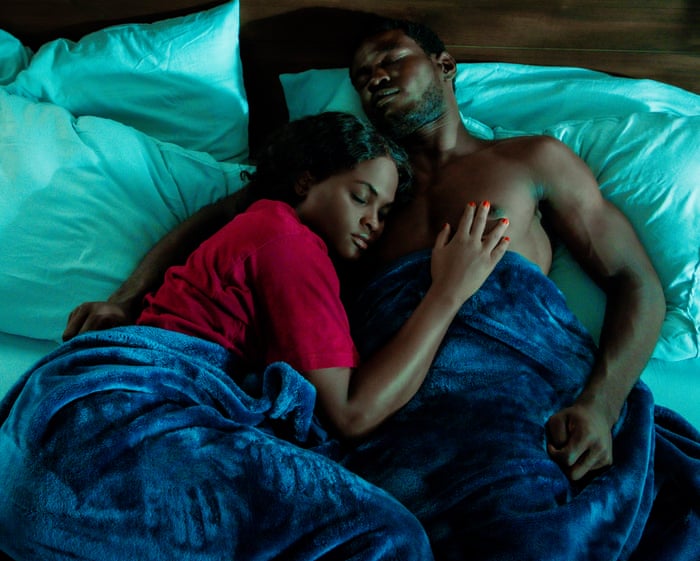
Нейният напрегнат, пълнометражен филм на ужасите Stew Peas проследява ямайската детективка Теса, която се обсебва от стар случай на убийство. Животът на Теса започва да се разпада, когато осъзнава, че съпругът ѝ Нийл е попаднал под влиянието на новата ѝ прислужница Марсия. Историята поема мрачен обрат с шокиращото откритие, че Марсия добавя тайна съставка в храната на Нийл: менструалната си кръв.
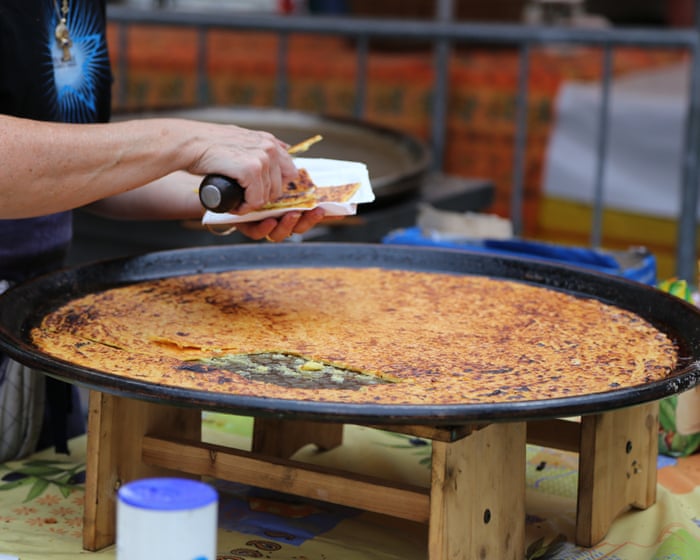
„Този филм се фокусира върху трайното ямайско вярване в обеа – че една жена може да „върже“ мъж във връзка, като му сервира традиционно яхния от боб и месо, която се превръща в мощна любовна отвара, когато се смеси с менструалната ѝ кръв“, каза Никсън.
Никсън се надява филмът да предизвика разговори за напрежението между християнството и обеа, практика, вкоренена в африканското наследство на Ямайка. Въпреки че е забранена от колонизаторите през 1700-те и все още е незаконна днес, обеа продължава да се практикува.
„Идеята да вържеш мъж с яхния от боб все още е голямо табу в Ямайка и исках да отворя разговор. Исках да изследвам тази система от вярвания в дълбочина. Ямайците често казват, че вярата убива и вярата лекува – което означава, че каквото вярваш, че ще се случи, се случва. И така, това нещо наистина ли работи?“ каза Никсън.
Израствайки в Сейнт Томас, спокойна крайбрежна енория в югоизточния край на Ямайка, понякога наричана „енорията на обеа“, Никсън каза, че черпи вдъхновение от реални житейски преживявания. „Бях много изложена на много обеа, докато растях в Сейнт Томас“, каза тя.
Продуцентката и актриса Ава Ийгъл Браун, която основа филмовия фестивал Блек Ривър в Ямайка, вярва, че филмът ще резонира с карибските хора навсякъде. „Има толкова много от нас в този филм – нещата, които ни правят ямайци, особено ако си част от диаспората… това те връща у дома“, каза тя.
Браун, която също се появява във филма, добави със смях: „Вероятно ще накара някои мъже да погледнат подозрително партньорките си и да попитат: „Какво сложи в яхнията ми с боб?“ Но сериозно, казах на сина си да се увери, че не яде никаква яхния от боб от която и да е жена!“
Сонджа Стенли Ниаа, ямайска културоложка и директор на Центъра за репарационни изследвания към Университета на Западните Индии, каза, че вярването за яхнията от боб е свързано с африканския възглед, че природните елементи – включително менструалната кръв – имат присъща сила. Тя обясни, че червеният боб се използва, за да прикрие кръвта, така че мъжът, който бива омайван, да не я забележи.
Стенли Ниаа приветства възможността да изследва африканските духовни практики, които според нея често са неразбрани. Тези традиции бяха очернени и забранени от европейските колонизатори, които ги свързваха със съпротива и бунтове сред поробените африканци.
„Хората в тази част на света са от африкански произход и носим богата традиция на африканска духовност в кръвта си – това е нещо, което сме наследили. Но днес африканската духовност не получава никакво внимание или признание. Не се преподава в училищата. Толкова се страхуваме от себе си, че я пренебрегваме“, каза тя.
Тя добави: „Има дълбоко, продължаващо напрежение между християнските практики и африканската духовност. Поробването беше санкционирано от църквата, така че голяма част от правната рамка в Карибите беше проектирана да попречи на поробените хора да се събират – било то да се покланят на боговете си или да планират бунтове. Тази правна рамка все още е налице днес, както се вижда от ямайския Закон за обеа, който все още е в сила.“
Ямайка трябва да продължи да прави филми, които смело представят нейните региони, общности и култури, дори докато е изправена пред трудни предизвикателства като възстановяването след урагана Мелис, каза Стенли Ниаа. Браун, която трябваше да отмени тазгодишния филмов фестивал, след като ураганът Мелиса унищожи части от Блек Ривър – където обикновено се провежда събитието – се съгласи със Стенли Ниаа. Тя нарече Stew Peas „лъч надежда“, докато креативната индустрия на Ямайка за милиарди долари се бори да се възстанови.
„Тази година трябваше да отложа филмовия фестивал Блек Ривър, което беше истински неуспех, защото помагаше на ямайските творци да се свържат със света, включително с контакти от големи мрежи като Canal+ и Netflix“, каза тя.
Тя добави: „Ураганът унищожи толкова много! Той разруши инфраструктура, оборудване, а за някои хора смачка надеждата им. Ето защо имаме нужда от проекти като този – те показват устойчивостта на ямайците и изпращат послание към света, че все още правим музика и филми, добавяйки онзи уникален ямайски зелен, златен и черен щрих към развлеченията.“
Филмовият комисар на Ямайка, Джаки Джаклин Джаксън, каза, че филми като Stew Peas са „мощно свидетелство за устойчивостта, креативността и решителността на креативната индустрия на Ямайка“.
„Важно е да продължим и да покажем, че Ямайка все още е отворена за бизнес. Изпращайки това послание, ние насърчаваме международните продукции да се върнат в Ямайка, което има положително въздействие върху работните места и разходите за филмово производство“, добави тя.
Често задавани въпроси
Ето списък с често задавани въпроси за филма Вързани от кръв и забранената вяра в обеа в Ямайка, написани в естествен разговорен тон
Въпроси за начинаещи
1 Какво точно е обеа
Обеа е традиционна духовна практика от Ямайка, която включва народна магия, лечение и използване на билки. Често се използва за защита, любов, отмъщение или за привличане на късмет. Мислете за нея като за смесица от наследствени вярвания, билкарство и ритуали.
2 Незаконна ли е обеа в Ямайка
Да, обеа технически е престъпление според ямайското законодателство, с корени в колониалните закони, предназначени да потискат африканските духовни традиции. Хората все още могат да бъдат глобявани или затваряни за практикуването ѝ.
3 За какво е филмът Вързани от кръв
Това е нов документален филм или филм, който изследва скрития свят на обеа в Ямайка. Той показва как практиката оцелява въпреки забраната и разказва историите на реални хора, които я използват или са засегнати от нея.
4 Защо обеа е забранена, ако е част от ямайската култура
Забраната идва от британското колониално управление. Британците смятали обеа за заплаха, защото обединявала поробените африканци и била използвана в бунтове. Законът се запазил дори след независимостта, отчасти поради стигма и страх.
5 Еднаква ли е обеа с вуду
Не, но те са сродни. И двете произлизат от западноафрикански духовни традиции, но обеа е специфична за Ямайка и англоговорящите Кариби. Вуду е от Хаити и има по-организирана религиозна структура.
Въпроси за средно напреднали
6 Как филмът предизвиква общите стереотипи за обеа
Филмът показва обеа не като черна магия или зло, а като сложна система от вярвания, използвана за ежедневни проблеми – като лечение на болести, намиране на изгубени предмети или разрешаване на конфликти. Той хуманизира практикуващите.
7 Кой все още практикува обеа днес
Предимно селски ямайци, но също и някои градски жители и дори хора от диаспората. Практикуващите често се наричат мъже обеа или жени обеа. Те го пазят в тайна поради закона и социалната стигма.
8 Какви са някои често срещани ритуали или инструменти, използвани в обеа
Често срещани предмети включват свещи, билки, масла, животински кости, пера и написани псалми или молитви.