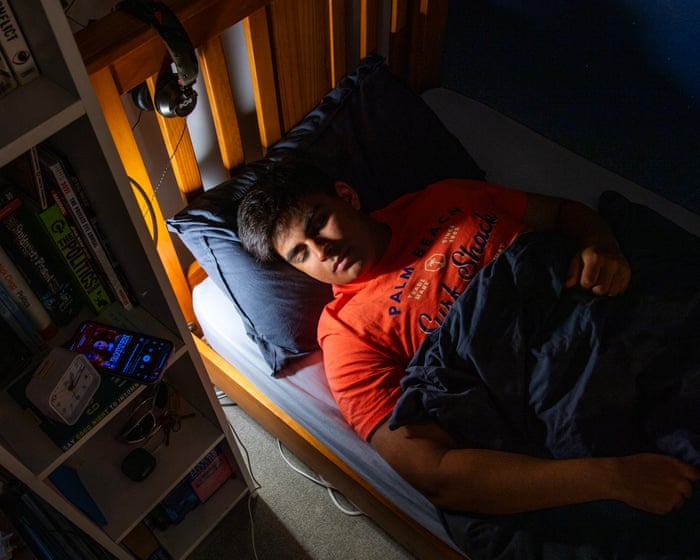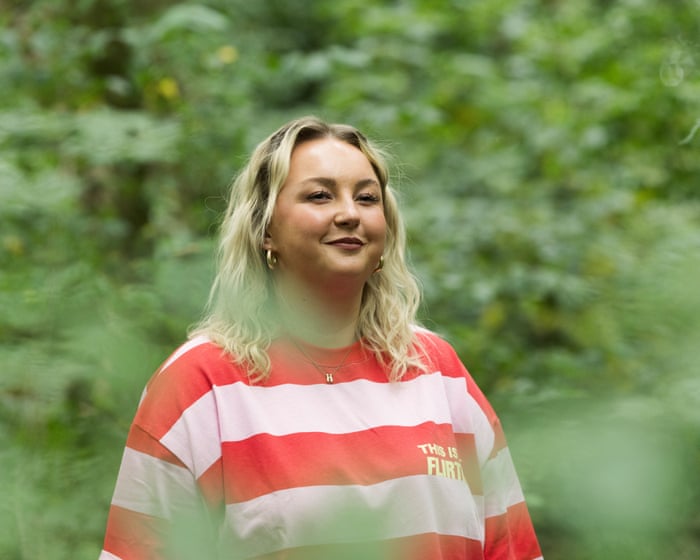
آخرین نوشیدنی هالی دایسون یک قوطی سیب بود که در ۲ مه ۲۰۲۳ در ماشین پدرش در راه مرکز ترک اعتیاد خورد. او آن را برای کنترل علائم ترک خود نوشید. او تقریباً دو هفته بود که چیزی نخورده بود. در روزهای پایانی حضورش در خانه در شمال غربی انگلستان، وقت خود را صرف استفراغ خون در توالت و دراز کشیدن در رختخواب میکرد، در حالی که بدنش میلرزید و به طرز غیرقابل تحملی احساس بیماری میکرد. دستش روی شماره ۹۹۹ (اورژانس) تلفنش معلق بود، آماده تا با آمبولانس تماس بگیرد. در ۲۶ سالگی، بدنش داشت از کار میافتاد.
حدود یک هفته قبل، دکتری به او گفته بود که شش ماه بیشتر زنده نیست. در چند سال گذشته، نوشیدنش از کنترل خارج شده بود. دکتر گفت کبدش «آشفته» شده است. برای دایسون، مثل «یک توپ بولینگ» بود – آنقدر سنگین و متورم که مجبور بود «با دو دست بدنم را از رختخواب بلند کنم». صورتش هم متورم شده بود و دیگر شبیه آن زن جوان ورزشکاری که قبلاً بود، نبود.
اما دایسون میگوید که «از مرحله اهمیت دادن گذشته بود». او اضافه میکند: «دیگر نمیتوانستم این کار را ادامه دهم.»
دایسون در تارلتون، روستایی بین پرستون و ساوتپورت در انگلستان بزرگ شد و دوران کودکی شادی داشت. «من در این حباب کوچک زندگی میکردم که هیچ چیز بدی هرگز اتفاق نمیافتاد و همه چیز خیلی دوستداشتنی بود.» او تنها فرزند والدینی بود که ازدواج موفقی داشتند: «این خانواده کوچک بلوند و خوشحال که همه دوستمان داشتند.»
این وضعیت وقتی تغییر کرد که او ۱۲ ساله شد و مادرش از خانه رفت. «من اصلاً انتظارش را نداشتم» او در مورد طلاق والدینش میگوید. برخی تحقیقات نشان داده است که وابستگی به الکل میتواند با آسیبهای دوران کودکی، مانند طلاق، مرتبط باشد که رشد عاطفی را مختل کرده و میتواند باعث استرس مزمن شود. دایسون که اکنون تحت درمان است، معتقد است جدایی والدینش منجر به «ترس شدید» از رها شدن در او شد.
دایسون اولین نوشیدنی الکلی خود را در ۱۶ سالگی خورد – یک سیب میوهای در پارک با دوستان – اما تا زمانی که در سال ۲۰۱۵ برای دانشگاه به لیدز رفت، مست نشد. «هر جا نگاه میکردم، افرادی بودند که کوکائین، قرص و اکستازی مصرف میکردند.» اما مواد مخدر هرگز به اندازه الکل برای دایسون جذاب نبود.
او به عنوان یک دانشجو، به سرعت در خوابگاه دوست پیدا کرد و عاشق یک «مرد بلندقد، سبزه و خوشتیپ جنوبی» شد که بعدها عشق فراز و نشیب او شد. او در سال ۲۰۱۶ با او به عروسی مادرش با شریک جدیدش رفت و بهترین دوستش شد. اما او میتوانست بدرفتار هم باشد، به خصوص در شبهای بیرون رفتن، زمانی که به او فحش میداد و مچ دستش را به شدت میگرفت. وقتی دایسون فهمید که او با دو تا از نزدیکترین دوستانش به او خیانت کرده، نتوانست با این خیانت و درد کنار بیاید و دانشگاه را رها کرد.
در یک روز آفتابی در سال ۲۰۱۷ بود که او برای خودش نوشیدنیای ریخت که همه چیز را تغییر داد: یک جین تونیک، که قبل از رفتن به سر کارش به عنوان مربی شخصی آن را نوشید. آن یک نوشیدنی «مغزم را روشن کرد» او میگوید.
دایسون پیش مادرش نقل مکان کرده بود و طولی نکشید که ذخیره جینش تمام شد. او بطریها را با آب پر میکرد تا مادرش نفهمد که آنها را تنها خورده است، سپس شروع به پنهان کردن شواهد در اتاق خواب و ماشینش کرد. این یک وسواس تمام وقت شد. «هر فکرت این است: نوشیدنی بعدیام از کجا میآید؟ آیا میتوانیم نوشیدنی بعدی را بخریم؟ چه چیزی برای نوشیدن میگیریم؟ کجا پنهانش میکنیم؟ این فقط تکرار میشود.»
در یکی دو سال اول، او در پنهان کردن وابستگیاش خوب بود. دایسون با دوستپسر چند سالهاش که بسیار راحت بود و هرگز با او در مورد نوشیدنش روبرو نشد، زندگی میکرد، اما دوستان شروع به noticing کردند. «افتضاح به نظر میرسیدم» او میگوید. «نمیتوانستی به من نگاه کنی و نفهمی که چیزی اشتباه است.» او هرگز به یاد نمیآورد که بیهوش شده باشد، اما گاهی اوقات با کبودیهای مرموز از خواب بیدار میشد.
«هیچ درد فیزیکی هرگز با درد عاطفی که تجربه کردم قابل مقایسه نیست» او میگوید.
بهترین دوستش آلیس به ویژه نگران بود. در روز تولد دایسون، در خانه خود دایسون، آلیس برایش پروسکوی غیرالکلی خرید تا جشن بگیرد. «من عمیقاً آزرده شدم» دایسون میگوید. او در اسرع وقت مهمانی را ترک کرد، زیرا بدون الکل در یک رویداد اجتماعی فایدهای نمیدید. در آن زمان، او هر شب چندین بطری شراب مینوشید.
در سال ۲۰۲۰، دایسون شروع به درد وحشتناک کبد کرد و به اورژانس بیمارستان ساوتپورت رفت، جایی که برای اولین بار با تیم liaison الکل بیمارستان ملاقات کرد. اسکن نشان داد که او بیماری شدید کبدی دارد، اما «برای من هیچ معنایی نداشت. من هنوز به ته خط نرسیده بودم» او میگوید. «آماده نبودم نوشیدن را متوقف کنم.»
در چند سال بعد، دایسون مرتباً به بیمارستان رفت و آمد میکرد. او از جین به سیب تغییر داد، که اول صبح آن را مینوشید تا علائم ترک مانند لرزش، استفراغ، تحریکپذیری و بیاشتهایی را متوقف کند. او شراب را در یک بطری لوکوزید میریخت، با چای هلویی لیپتون پر میکرد و در طول روز در حین کار به عنوان مسئول اداری مینوشید. وقتی ساعت ۲ بعد از ظهر کارش تمام میشد، در راه خانه شراب بیشتری میخرید.
تا ساعت ۸ شب، او میگوید، بسیار مست بود، اما چند بطری سیب دیگر باز میکرد و کنار تخت میچید تا وقتی آنها را باز میکند، همسرش را بیدار نکند. او آنها را «مثل آب» در طول شب مینوشید. «مجبور بودم هر کاری میتوانم انجام دهم تا ۲۴ ساعته و ۷ روز هفته الکل بنوشم.»
این یک عادت گرانقیمت بود. به محض اینکه حقوق میگرفت، دایسون ۳۰۰ تا ۴۰۰ پوند برای الکل خرج میکرد و فکر میکرد که برای یک ماه کافی است. اما به سختی یک هفته دوام میآورد. وقتی پولش تمام میشد، از مادرش، سپس از پدرش، برای پول بنزین میخواست و از آن برای خرید الکل بیشتر استفاده میکرد. وقتی باز هم کافی نبود، وام پشت وام میگرفت.
«وقتی پنج هزار پوند به حساب بانکیت واریز میشود، دیوانهوار خوشحال میشوی و گرانترین جینها و همه طعمها را میخری» او میگوید. «برای آیندهام بد بود، چون وقتی از اعتیاد خارج شدم، ۱۰۰۰۰ پوند بدهی داشتم. نمیتوانستم اقساط را پرداخت کنم، بنابراین الان یک طرح مدیریت بدهی دارم. یعنی برای شش سال آینده، نمیتوانم وام مسکن یا کارت اعتباری بگیرم، چون اعتبارم به طرز مسخرهای پایین است.»
در طول اقامتش در بیمارستان، به دایسون لیبریوم (نام تجاری کلردیازپوکساید) داده شد تا به مدیریت علائم ترک حاد الکل کمک کند. برای الکلیها، ترک میتواند کشنده باشد و باعث گیجی، تشنج و توهم شود. اما وقتی به خانه میرسید، خود را با قوطیهای سیب درمان میکرد. نمیتوانست درست راه برود یا غذا را در معده نگه دارد. با این حال، «وقتی از آن عبور میکردم» با ترکیبی از صبر و الکل بیشتر، فکر میکرد «حالا درست شدهام، میتوانم دوباره بنوشم.»
مادربزرگ مادری دایسون در ۵۲ سالگی بر اثر اعتیاد به الکل درگذشت، سه ماه پس از تولد دایسون. «مادرم فکر میکرد نگرانی درباره من ممکن است باعث حمله قلبیاش شود» دایسون میگوید. اما پدرش تا زمانی که او به دکتر مراجعه کرد و دکتر به پدرش گفت فکر میکند چقدر زنده است، متوجه نشد که چقدر جدی است. او به سرعت دایسون را به خانه خودش منتقل کرد و «دو یا سه شب بود که آنقدر مریض بودم، در حال ترک و استفراغ بودم» که او تمام شب بیدار با او ماند. او تمام الکل خانه را دور ریخت و کارتهای بانکیاش را گرفت. قبل از این، دایسون فقط یک بار پدرش را در حال گریه دیده بود – روزی که به او گفت مادرش آنها را ترک کرده است. «اما در آن چند روز آخر قبل از رفتن به مرکز ترک، او را زیاد در حال گریه دیدم.»
پدرش میدانست وقتی او با الکل به خانه آمد و همه را در اتاقش نوشید، دیگر کاری از دستش برنمیآید. هیچکدامشان نمیدانند او چطور پول آن را پرداخت کرد. آن روز، او را به یک مرکز ترک خصوصی به نام اوشن برد. پس از بهبودی در بلکپول، او برای پرداخت هزینه مراقبتش وام گرفت. «اگر او به موقع من را به مرکز ترک نمیآورد، من اینجا نبودم» دایسون میگوید.
به گفته الکل چنج، حدود ۱۵٪ از زنان در انگلستان به روشهایی مینوشند که به سلامتی آنها آسیب میزند. بین سالهای ۲۰۱۹ و ۲۰۲۳، تعداد زنانی که به طور خاص بر اثر علل مرتبط با الکل جان خود را از دست دادند، ۳۹٪ افزایش یافت. با این حال، زنان بسیار کمتر از مردان به دنبال برنامههای درمانی سنتی مانند الکلیهای گمنام هستند. تحقیقات نشان میدهد که زنان و مردان اغلب به دلایل مختلف مینوشند: زنان برای بیحس کردن، پنهان کردن یا کاهش احساس شرم مرتبط با تجربیات خود از قربانی شدن مینوشند، در حالی که مردان بیشتر برای آرامش و جدا کردن زمان استراحت از کار مینوشند. انگ مرتبط با اعتیاد همچنین میتواند شرم زنان را عمیقتر کند و آنها را بیشتر مستعد انکار وابستگی خود به الکل و پنهان نگه داشتن آن کند.
دایسون اولین کسی است که اعتراف میکند تصور ثابتی از ظاهر یک الکلی داشت و آن تصویر خودش نبود. «همه چیز برایم مهیا بود: یک دختر جوان بودم، متناسب بودم، فعال بودم، خانواده فوقالعادهای داشتم، خانه داشتم، در امان بودم، دوست داشته میشدم، اما این مانعش نشد» او میگوید. «تبعیض قائل نمیشود.» در اولین صبح مرکز ترک، «سرم را از در صبحانه بیرون آوردم و یادم میآید فکر کردم، لعنتی، همه عادی هستند.»
دایسون ۲۸ روز در این مرکز ماند. «من حداقل ۲۰ سال از همه کوچکتر بودم» او میگوید. «من بچه بودم. افراد زیادی مراقب من بودند.» او پیادهرویهای زیادی کرد، گروهدرمانی، مدیتیشن و یوگا انجام داد. عصرها نقاشی میکرد و زمان زیادی را با همسالانش صحبت میکرد.
اما او میگوید کار واقعی سخت زمانی شروع شد که مرخص شد و مجبور شد بدون نظارت و حمایت مداوم به زندگی بازگردد. در مرکز ترک، دایسون توسط افرادی احاطه شده بود که تجربیات مشابهی داشتند و میتوانست ساعتها با آنها در مورد مبارزاتش صحبت کند. دایسون میگوید شغل جدیدش به عنوان مددکار برای سرویس مواد مخدر و الکل Change Grow Live نیز به او کمک کرده هوشیار بماند – صحبت آشکار در مورد درد اعتیاد یادآوری روزانه مشکلاتی است که پشت سر گذاشته است. او هنوز از نقاشی لذت میبرد و به طور منظم ورزش میکند. او در ماه آوریل یک نیمهماراتن لندن لندمارکس دوید و برای ماراتن کامل بعدی تمرین میکند. «هیچ درد فیزیکی، مثل دویدن ماراتن، هرگز با درد عاطفی که در طول اعتیاد تجربه کردم قابل مقایسه نیست.»
اکنون، دایسون الکل را در همه جا میبیند و فرهنگ سنگیننوشی که در بریتانیا رایج است را تأیید نمیکند. او نحوه بازاریابی الکل در سوپرمارکتها را دوست ندارد، جایی که «تابلوهای دو کارتن به ده پوند همه جا هست». او فکر میکند الکل باید مانند سیگار و شیرینی پنهان شود. «مردم فراموش میکنند که الکل یک ماده مخدر است و میلیونها نفر با مشکلات الکلی وجود دارند. اگر روز بسیار سختی داشته باشی، وارد سوپرمارکت میشوی و قبل از اینکه حتی سبد خریدت را برداری، همه این پیشنهادات روی الکل را در ورودی میبینی – این برای سلامتی کسی مضر خواهد بود.»
به عنوان بخشی از نقشش در Change Grow Live، او مشتاق است «حقیقت خام و بدون سانسور اعتیاد» را به اشتراک بگذارد به این امید که کسی که آنچه او تجربه کرده را پشت سر میگذارد، بتواند قدرت درخواست کمک را پیدا کند. «بیایید نشان دهیم اعتیاد به الکل واقعاً چگونه است: استفراغ خون است، ناتوانی در بلند شدن از رختخواب است، دروغ گفتن برای پول است. وحشتناک است» او میگوید. «اعتراف به اینکه درگیر هستی، شجاعانهترین و مهمترین کاری است که میتوانی برای نجات خودت انجام دهی.»
اخیراً، دایسون یک اسکن کبد انجام داد که نشان داد اکنون هیچ زخم یا کبد چربی ندارد. «تقریباً کاملاً جوان شده و خودش را درمان کرده است.» آزمایش خون او همچنین نشان میدهد که عملکرد کبدش در محدوده طبیعی است. «این باعث میشود احساساتی شوم» او میگوید.
«مردم میگویند بهبودی سخت است، و من آن را درک میکنم، چون باید هر روز روی آن کار کنی – وقتی غافلگیر شوی، عود اتفاق میافتد» دایسون میگوید. «اما من میگویم اعتیاد سختتر از بهبودی است، ۱۰۰٪. اعتیاد یک شغل تمام وقت، ۲۴ ساعته و ۷ روز هفته است.»
در بریتانیا، Taking Action on Addiction پیوندهایی به خدمات حمایتی مختلف ارائه میدهد. در ایالات متحده، میتوانید با خط ملی SAMHSA به شماره ۹۸۸ تماس بگیرید یا پیامک دهید. در استرالیا، خط تلفن ملی الکل و سایر مواد مخدر به شماره ۱۸۰۰ ۲۵۰ ۰۱۵ در دسترس است. خانوادهها و دوستان میتوانند از Family Drug Support Australia به شماره ۱۳۰۰ ۳۶۸ ۱۸۶ کمک بگیرند.
**سوالات متداول**
در اینجا لیستی از سوالات متداول بر اساس بیانیه «اولین نوشیدنیام را در ۱۶ سالگی خوردم. تا ۲۶ سالگی به من گفتند شش ماه زنده هستم» آورده شده است.
**سوالات سطح مبتدی**
۱. آیا واقعاً ممکن است از اولین نوشیدنی در ۱۶ سالگی به جایی برسیم که در ۲۶ سالگی به ما بگویند شش ماه زنده هستیم؟
بله، ممکن است. این جدول زمانی اغلب به پیشرفت سریع و شدید بیماری کبدی مرتبط با الکل، مانند هپاتیت الکلی یا سیروز، به ویژه با نوشیدن سنگین روزانه اشاره دارد.
۲. «شش ماه زنده هستم» در این زمینه به چه معناست؟
معمولاً به این معنی است که پزشک معتقد است آسیب کبدی آنقدر شدید است که دیگر به درستی کار نمیکند و بدون پیوند یا بهبودی قابل توجه، بدن بیمار احتمالاً در آن بازه زمانی از کار میافتد.
۳. آیا این بدان معناست که هر کسی در ۱۶ سالگی مشروب بخورد این مشکل را خواهد داشت؟
خیر. این یک مورد شدید است. اکثر افرادی که در ۱۶ سالگی نوشیدن را شروع میکنند، تا ۲۶ سالگی به بیماری کبدی کشنده مبتلا نمیشوند. معمولاً به ترکیبی از نوشیدن سنگین و مداوم، ژنتیک و سایر عوامل سلامتی نیاز دارد.
۴. چه نوع نوشیدنیای باعث این میشود؟
این معمولاً ناشی از نوشیدن مزمن و سنگین است که اغلب به عنوان ۸ نوشیدنی در روز برای مردان یا ۶ نوشیدنی برای زنان در طی چندین سال تعریف میشود. پرنوشی گاه به گاه به تنهایی به ندرت اینقدر سریع باعث این مشکل میشود.
۵. آیا مهلت شش ماهه همیشه دقیق است؟
خیر. این یک تخمین پزشکی جدی بر اساس وضعیت فعلی است. برخی افراد با درمان تهاجمی بیشتر عمر میکنند، در حالی که برخی دیگر ممکن است سریعتر رو به زوال بروند.
**سوالات سطح پیشرفته**
۶. چه بیماری کبدی خاصی باعث این زوال سریع میشود؟
محتملترین موارد، هپاتیت حاد الکلی یا سیروز جبراننشده است. هر دو میتوانند بدون مداخله در عرض چند ماه کشنده باشند.
۷. آیا فرد میتواند از تشخیص «شش ماه زنده هستم» بهبود یابد؟
بله، اما دشوار است. اگر بیمار فوراً نوشیدن را متوقف کند، برخی از افراد مبتلا به هپاتیت الکلی میتوانند بهبود یابند. برای سیروز، پیوند کبد اغلب تنها گزینه برای بقای طولانیمدت است.