When Baltic Sea nations joined NATO for protection against Russia, they never expected their most powerful ally would be the one threatening to take territory from them. The shock of the Greenland crisis may have faded from headlines, but under Donald Trump, the U.S. has also hinted it might not defend Europe. Meanwhile, Russia remains a disruptive presence in the Baltic.
Fortunately, the vulnerable Baltic states have launched a series of impressive initiatives to keep their waters safe. As the U.S. steps back from European defense, these efforts could offer a model for NATO’s future.
In January, Finland announced it would join other Baltic Sea countries to establish a maritime surveillance center. Finland sees this as a way to boost its ability to respond to incidents in its territorial waters and exclusive economic zone—a sensible move.
It’s not the only step being taken. When the Nord Stream pipelines exploded in Swedish and Danish waters in September 2022, the region was caught completely off guard. A few voices had warned for years that undersea cables and pipelines were vulnerable to sabotage, but with few incidents to shake complacency, little was done. Then came the Nord Stream attack, followed by the arrival of Russia’s shadow fleet—used to evade oil sanctions—and the mysterious damage to two cables and a pipeline in 2023.
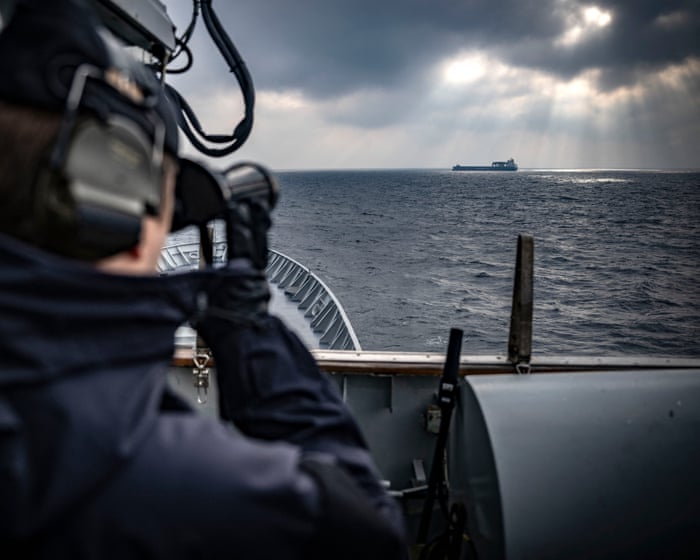
The coastal states—excluding Russia—began cooperating more closely. As cables were mysteriously cut, threatening energy and internet supplies, and shadow vessels moved through daily, they improved information sharing, a dull but crucial step. They introduced an AI tool called Nordic Warden to detect anomalies near undersea infrastructure. Navies and coast guards expanded patrols, and they began inspecting shadow vessels—a tricky task, since international maritime law guarantees freedom of navigation. Early last year, they even set up a joint patrol service, Baltic Sentry, to protect cables and pipelines around the clock. Though officially a NATO initiative, it is run by the Baltic nations themselves.
For Estonia, 2023 was a wake-up call, as national security adviser Erkki Tori told me. Now, in 2026, he notes that Russia’s shadow fleet is being challenged not just in the Baltic, but elsewhere too. Maritime law limits options, Tori says, but it still allows certain actions. Sharing ideas and practices with other countries is key to the solution.
The same approach—acting within international law—applies to protecting undersea cables and pipelines. “The world’s international mechanisms weren’t built for this, but we’re trying anyway—within the rule of law,” Tori explains.
The Baltic Sea nations seem to have inspired others. In January, the French navy seized an alleged Russian shadow tanker with false registration between Spain and Morocco—its second such intervention in recent months.
Indeed, the Baltic states are showing what NATO members can achieve, especially by working with neighbors. This matters as the alliance’s effectiveness is questioned. As Danish Prime Minister Mette Frederiksen noted during the Greenland crisis, NATO would cease to exist if the U.S. attacked a member’s territory.
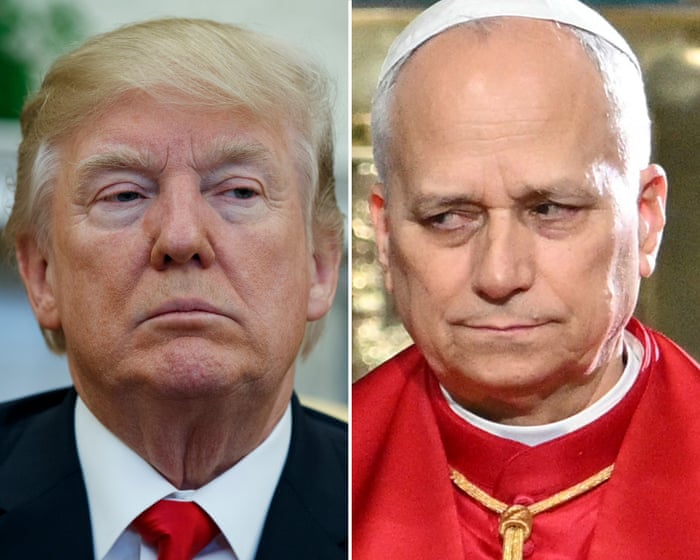
Trump may leave Greenland alone for now—though Frederiksen isn’t overly optimistic about that.At the Munich Security Conference, she made her position clear. Still, the question lingers: would the U.S. actually come to the aid of European nations if attacked, as required by NATO’s mutual defense pledge in Article 5? Last March, Donald Trump stated bluntly, “If they don’t pay, I’m not going to defend them,” referring to European NATO allies. A few months later, member countries pledged to spend 5% of GDP on defense and related areas.
Ordinary Europeans have already begun to reconsider how NATO must adapt for an era in which the U.S. provides a diminishing share of military capability. In Sweden, only a quarter of the population believes America would help if the country were attacked. Last June, 51% of Britons thought it unlikely the U.S. would come to the aid of the Baltic states in the event of a Russian attack.
That’s why initiatives like the maritime cooperation among Baltic Sea nations are so crucial. NATO may survive or even thrive in the long run. Trump might soften his confrontational approach. But no one can be sure. Forming smaller, regional partnerships is essential: it allows NATO countries to secure their own areas independently, without relying solely on NATO or the U.S. Moreover, such cooperation does not weaken the alliance.
The localized collaboration emerging among Baltic Sea nations offers a glimpse into NATO’s future.
Frequently Asked Questions
FAQs Can Europe Survive Without US Defense The Baltic Sea Example
BeginnerLevel Questions
What does Europe without US defense actually mean
It refers to the idea of European nations providing for their own collective security through European military and political institutions rather than relying primarily on the military guarantee and presence of the United States through NATO
Why is this topic being discussed now
Discussions have intensified due to shifting US foreign policy priorities concerns over the reliability of the American security guarantee and the urgent need for European selfreliance highlighted by Russias war in Ukraine
Who are the Baltic Sea nations mentioned
This typically refers to the three Baltic statesEstonia Latvia and Lithuaniaplus Finland Sweden Poland Germany and Denmark These countries border the Baltic Sea
How are they showing the way
These nations are rapidly integrating their defenses investing heavily in military spending creating regional defense pacts and building military infrastructure They are acting with urgency and cooperation setting a model for a more selfreliant European defense
Is Europe currently capable of defending itself without the US
Most analysts agree that Europe currently lacks the critical enablers that the US provides However the political will and industrial capacity exist to build this capability over time
Advanced Practical Questions
What specific actions are Baltic nations taking to boost regional defense
Key actions include Estonia Latvia and Lithuania building a joint defense line Finland and Sweden joining NATO and deeply integrating with each other Polands massive military modernization and the creation of the Germanled NATO framework brigade in Lithuania
What are the biggest hurdles for European strategic autonomy
Major hurdles include fragmented defense procurement across 27 EU nations lack of standardized equipment political disagreements on strategic goals funding shortfalls and the sheer technological gap in areas the US has dominated for decades
Does a stronger Europe mean the end of NATO
Not necessarily The goal for most European leaders is a stronger European pillar within NATO This means Europe takes primary responsibility for its neighborhood allowing the US to focus on global challenges while the collective defense guarantee remains intact
What role does the European Union play in this
The EU is activating defense clauses