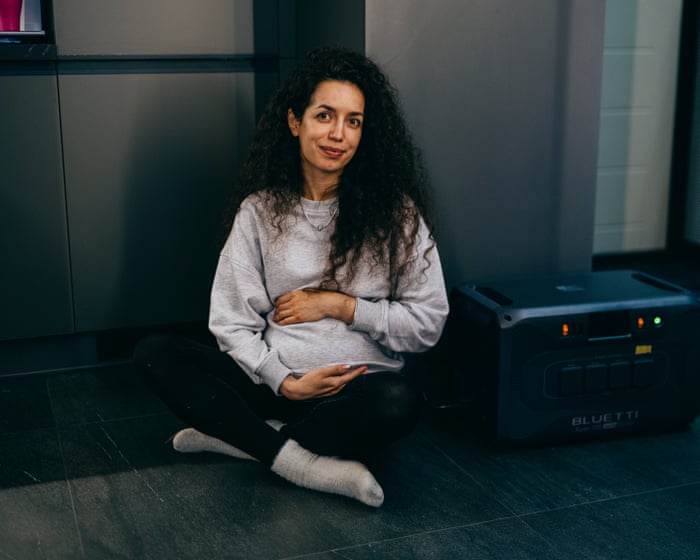
1996 yılında, 12 yaşındaki Reshona Landfair’i hayal edin. R&B süperstarı R. Kelly (gerçek adı Robert Kelly) ile tanıştığı zaman. Ona göre dünyası, önünde serilmiş bir "açık büfe" gibi görünüyordu. Popülerdi, ciddi yetenekli bir basketbol oyuncusuydu ve üç kuzeniyle kurduğu şarkı grubu 4 The Cause'un en genç üyesiydi - kendi deyimiyle, "minyon kız rapçi". Bir plak şirketiyle anlaşma imzalamışlar, sekiz ülkede ilk 10'a girmişler ve Avrupa'nın büyük bölümünü turlamışlardı. Chicago'nun Batı Yakası'ndan gelen geniş ailesi çok sıkı fıkıydı. Hayatı müzik, spor, kilise, babaannede pazar öğle yemekleri, aile yolculukları ve herkesin birbirinin işini bilmesiyle doluydu. "O güzel bir zamandı," diyor. "Etrafımda sevgi ve iyi insanlar vardı. Gerçek benliğim, olmak istediğim kişi olarak yaşıyordum. Yoluma devam ettiğimi hissediyordum."
Şimdi de Landfair’i 26 yaşında, nihayet Kelly'nin yörüngesinden ayrıldığı zaman hayal edin. O zamana kadar ailesinin yarısı diğer yarısıyla konuşmuyordu ve ayakta kalan ilişkiler suçluluk, sorulmamış sorular ve geçmiş hatalarla gerilmişti. Hiç arkadaşı kalmamıştı - Kelly buna izin vermemişti. Müzik kariyeri umutları çoktan yok olmuştu; Kelly onu daha 15 yaşındayken 4 The Cause'dan ayrılmaya zorlamıştı. Lise ötesinde hiçbir niteliği yoktu ve ne yapmak istediğine dair hiçbir fikri yoktu, çünkü on yıldan fazla bir süredir ona ne yapacağını Kelly'nin söylemesine güvenmişti. Sağlıklı bir ilişki hayal edemiyordu; seksin "bir pedofilin bakış açısıyla" öğrenildiğini söylüyor. 12 yaşındaki hayatının her parçası, o "açık büfe masasındaki" her şey Kelly tarafından yok edilmişti. Yine de yabancılar tarafından düzenli olarak bir "altın avcısı" olması gerektiği, "yağlı kazığa bindiği" ve Kelly'den alabildiğini aldığı söyleniyor.
Kelly'nin 30 yıllık kadın ve çocuk istismarı geçmişi hakkında öğrenilecek pek bir şey kalmamış olmalı. 2021'de haraç ve cinsel ticaret suçlarından mahkum edildi ve ertesi yıl çocuk ayartma ve çocuk cinsel istismarı görüntüleri üretmekten mahkum edildi. Surviving R. Kelly belgesel dizisinin üç sezonunu milyonlar izledi ve 2021'deki altı haftalık duruşması dünya çapında haber oldu. Ancak bu korkunç hikayeyi takip edenler, önemli bir sesin duyulmadığını biliyor: Landfair'ın sesi.
Onun yokluğu, ilk kez Ocak 2019'da yayınlanan Surviving R. Kelly'nin birinci sezonunda özellikle dikkat çekiciydi. Pek çok mağdur - hayranlar, şarkıcı ve dansçı adayları, Kelly ve ekibinin alışveriş merkezlerinde bulduğu kızlar - deneyimlerini ürpertici detaylarla anlattı. Onlar hazırlandı, izole edildi, dövüldü ve kırıldı. Seks, zarar, acı ve aşırı aşağılanma içeriyordu ve Kelly bunları filme almayı seviyordu.
Dizide, Kelly'nin eski bir himayesi olan Sparkle'ın güçlü ifadeleri yer alıyor. Sparkle, Kelly'yi 12 yaşındaki yetenekli rapçi yeğeniyle tanıştırmış, ancak ikisinin denetimsiz geçirdiği zamanlardan endişelenmeye başlamıştı. Sparkle'ın aileye yaptığı çağrılar duyulmadı - o zamana kadar Kelly, yeğenin babasını stüdyo gitaristi olarak işe almıştı. 2002'de Kelly'nin "seks kasetlerinden" biri sızdırıldı ve yaygın olarak dağıtıldı; videoda Kelly'nin genç bir kızın üzerine işediği görülüyordu ve Sparkle bu kızı anında yeğeni olarak tanıdı - saç stilinden, kızın daha 14 yaşındayken çekildiğini anladı. Aylar sonra Kelly çocuk pornografisi bulundurmaktan suçlandı. Duruşma 2008'de gerçekleşti. Sparkle savcılık için ifade verdi, ancak yeğeni ifade vermeyi reddetti. Mahkemede, kızın ebeveynleri videodakinin o olmadığını iddia etti. Kelly beraat etti ve onu sorumlu tutma şansı kaçırıldı. O kız, elbette, Landfair'di.
Program bir hesaplaşmayı tetikledi - yayınlanmasından haftalar sonra Kelly tekrar tutuklandı. Landfair için onu izlemek hayat değiştiriciydi. Sparkle'ın onun adına veya onun hakkında konuşmasını takdir etmedi, ancak geri kalanı bir aydınlanmaydı. "Çok aşağılayıcıydı," diyor. "Çok uzun süre bunların benim için duyduğu cinsel arzular ve fetişler olduğunu düşünmüştüm - ama sonra bunun çok fazla kadın, çok fazla kız olduğunu gördüm. Bir seri katili izlemek gibiydi, ama cinsel bir şekilde. Bu kadar büyük olduğunu bilmiyordum ve kendimi sorumlu hissettim. Onu korumuştum, onun için yalan söylemiştim." Sesi titriyor ve kendini toparlarken uzun bir sessizlik oluyor. "Benden sonra bu kadar çok insanı incitebildi."
Bu açıklamalar, onu 2022'de Chicago'daki duruşmasında Kelly aleyhine ifade vermeye yöneltti ve şimdi onunla geçirdiği zaman hakkında Who’s Watching Shorty? adlı bir kitap yazdı.
Her şey, halası Sparkle'ın onu 4 The Cause'un performansını izlemeye götürmesiyle başladı. "Onun etrafında olmak büyüleyiciydi," diyor. "Gözümde bu, hayattan büyük bir figürdü." Kelly, Landfair'ı özel olarak övdü ve tüm aileyi yemeğe götürdü. Hızla bir "aile dostu" oldu. Kiliselerini ziyaret etti, Landfair'ı "manevi kızı" yaptı, basketbol maçlarında onu destekledi ve gitarist olan babasını stüdyosunda çalışmaya davet etti. Landfair'a göre tüm aile kutsanmış gibi hissetti. Yükselişteydiler. "Robert'la bağlantılı olmak, müzikal, finansal veya sadece itibar ve popülerlik açısından pek çok güvenlik katmanı yaratırdı, ailede bu havalı ünlü olması. Bunu hepimiz takdir ettik."
Landfair'ın kitabı, hazırlık sürecinin yıkıcı, istikrarlı damla damla ilerleyişini ve Kelly'nin kulağındaki sesini anlatıyor. "Biraz fazla uzun ve biraz fazla sıkı" bir sarılmayla başladı. Uzun uzun telefon konuşmaları yaparlardı, Landfair gençlik odasında, spor kupalarıyla çevrili. İlk başta masum sohbetlerdi - müzik, okul, basketbol - sonra, daha sonraları, ne giydiğini sormaya başladı. Sonra ona kendine dokunmasını söylerdi.
Aylar boyunca Kelly, onunla özel bir bağları olduğuna, inanılmaz, hayatta bir kez yaşanacak bir bağlantıları olduğuna ve ikisi için her şeyi riske attığına onu ikna etti. "Beni, şimdiye kadar yaşadığım herkesten ve her şeyden öte bir seviyede anlıyorsun," dedi ona. Sonra şöyle olurdu: "Beni benim seni sevdiğim gibi seviyorsan, o zaman dediklerimi yapman gerek," ya da: "İnsanlar sevdikleri insanlar için haftanın her lanet gününde yapmak istemedikleri şeyleri yaparlar." Ne giyeceği, kiminle konuşabileceği, ne söyleyebileceği konusunda kurallar koydu. Zamanla, yakın hissettiği tek kişi oydu. Landfair belirli bir cinsel eylemi - Kelly'nin "bir sonraki seviye" veya "aşkımızda daha yükseğe çıkmak" dediği - reddederse, onu cezalandırır veya stüdyosunun (karanlık, penceresiz odalardan oluşan bir labirent) başka bir odasından bir kız çağırır ve onu Landfair'ın önünde yaptırırdı. Pek çok "kız arkadaş" olduğunu biliyordu, ancak karışık gençlik zihninde onlar mağdur değil, rakipleriydi.
Başka kim biliyordu? Landfair, günlük ihtiyaçlarını karşılayan ve ona yemek getiren Kelly'nin ekibinin çoğunun bilmiş olması gerektiğini söylüyor. "O insanlar her gün etraftaydı," diyor. "Size bakmak zorundaydılar ve aile gibiydiler. Bir çocuk olarak bunu yardımsever olarak gördüm. Şimdi görüyorum ki onlar da bunun bir parçasıydı, eylemleri gerçekleştirmeseler bile."
Peki ya ebeveynleri? Kelly ona her zaman sorularını nasıl savuşturacağı konusunda talimat verirdi. (Landfair'ı 4 The Cause'dan ayrılmaya zorladığında, ebeveynlerine "normal bir çocukluk" istediği için olduğunu söylemesi söylenmişti.) Sadece "ebeveynleri suçlamanın" çok karmaşık olduğuna kesinlikle inanıyor. Evet, Kelly 2021'de ölen babasına düzenli bir gelir ödüyordu ve bu kadar güçlü birinin düşmanı olmak istemezdi. Ama Landfair'ın "mutlu" göründüğünü söylüyor.
"Ebeveynlerimin manevi bir sezgiye sahip olduğu anlar kesinlikle olduğunu düşünüyorum ve muhtemelen bu onlara o kadar ağır geliyordu ki inanmak istemedikleri bir şeydi," diyor. "Onların eksikliklerini örtbas etmek veya şekerlemek için burada değilim, ama onların beni kaybetme korkusu ve sevgiden hareket ettiklerini biliyorum."
Eğer çok yakından bakmamaya çalışıyorlarsa, Landfair 14 yaşındayken çekilen sızdırılmış video onlara görmekten başka seçenek bırakmadı. O zaman Landfair 17 yaşındaydı. "Aşağılayıcı, utanç verici, travmatikti - bedenimin ortalığa saçılması ve dünya tarafından görülmesi," diyor. "Kaçak olarak sokak köşelerinde ve bit pazarlarında satıldı. Büyüdüğüm insanlar 'izleme partileri' düzenliyordu."
Ebeveynleri kızları için perişan olmuş, Kelly'ye öfkelenmiş ve sonuçlarından korkmuşlardı. Kelly'nin dikkatli talimatları altında, Landfair onu ondan ayırmaya çalışırlarsa kendini öldürmekle tehdit etti. Bir Chicago otelindeki kriz toplantısında Kelly, Landfair'ın babasından diz çökerek af diledi. Yalan söylediği için özür diledi, ancak kızlarını sevdiği için değil, ve onu koruyacağına söz verdi. O noktada, ebeveynleri aile hizmetlerine, polise, mahkemelere veya yargıçlara güvenmemeyi seçti. "Biz sadece Robert'ın kariyerinin sonu olmak istemeyen bir aileydik," diyor. "Robert'ın kaynaklarıyla kendimizi daha güvende, daha korunmuş hissettik."
O andan itibaren Landfair "yeraltına" indi. Okulu bıraktı, "evde eğitim" görmeye başladı ve evi de terk etti. Artık Kelly ile görülemezdi ve onun yerine o karanlık stüdyo odalarından birinde veya evinin dışında park halindeki tur otobüsündeki bir kabinde kalırdı. Personeli ihtiyaçlarını karşılıyordu, ancak Kelly'nin kendisi pek etrafta değildi. "Perişandım, yalnızdım," diyor. "Onun tarafında olmama ihtiyacı olduğunu hatırladığı anlar olurdu, o zaman bir takdir yağmuru olurdu - bir yemek veya bir gezi gibi - ama o zamana kadar hiçbir şey hediye gibi gelmiyordu, hiçbir şey keyifli değildi. Onun yararına gerçekleştirilen bir görevdi."
Videoya rağmen Kelly hala talep görüyordu, hatta 2002 Kış Olimpiyatları açılış töreninde bile yer aldı, ve partiler, performanslar ve çok daha fazla kadın ve kızla meşguldü. Landfair'ın yaklaşan dava hakkındaki herhangi bir haberi izlemesi, Kelly'nin adını Google'da araması veya onunla ilgili herhangi bir şey yapması kesinlikle yasaktı - her zaman uyduğu bir kuraldı.
Seks kasetinin 2008'de duruşmaya çıkması altı yıl sürdü - yetkililerden bir aciliyet yok gibiydi. Landfair şimdi