After decades of aggressively promoting its lively Mediterranean image, Barcelona’s city leaders have appointed someone whose mission is to say “enough is enough”—and, he claims, to give the city’s most famous market back to the locals.
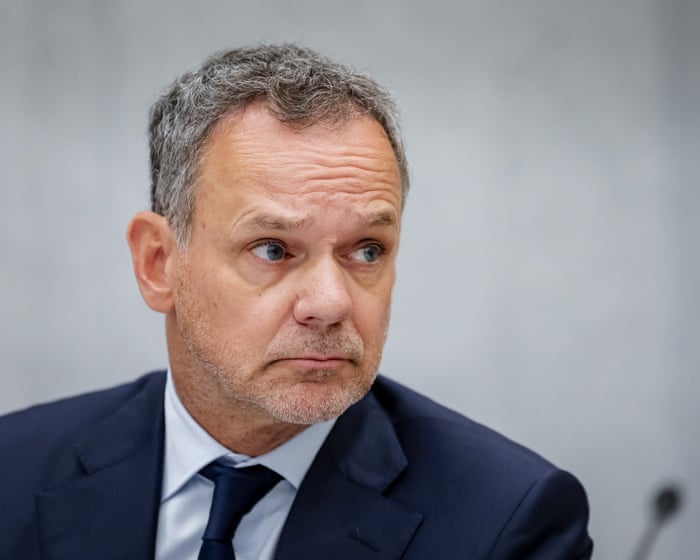
Last year, the Barcelona area welcomed 26 million visitors, a 2.4% increase from 2024. The appointment of José Antonio Donaire as the city’s first commissioner for sustainable tourism marks a major shift in attitude. Instead of seeing tourism as an unqualified good, officials now believe it is pushing residents away and weakening the Catalan capital’s identity.
“We’ve reached the limit. Barcelona can’t handle any more tourists,” he says. “We don’t want more tourists—not even one more—but we need to manage the ones we already have.”
It may take a while for Donaire’s proposed changes to have an impact, especially since other players—like the port, airport, airlines, hoteliers, and the travel industry that favors bigger numbers—may not share the city’s goals, even if the city’s intentions are clear.
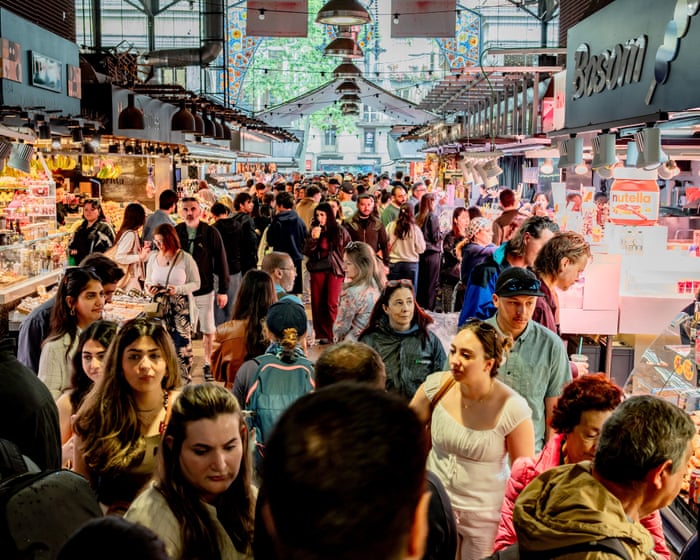
Still, his sincerity and ambition are undeniable. That even extends to saving Barcelona’s famous La Boquería market, which has come to symbolize the worst effects of mass tourism on the city’s character.
La Boquería was once a favorite spot for chefs and food lovers, but for years most Barcelona residents have avoided it. Donaire says it will return to being a market that sells fresh food instead of takeaway snacks, which will be banned with the agreement of most stallholders.
“Within a year, you’ll see the new Boquería,” Donaire says.
The city’s efforts to limit visitor numbers started in 2017 with a freeze on building new hotels in central Barcelona. But that was largely undermined by the rapid growth of short-term tourist apartments listed on sites like Airbnb.
In 2028, Barcelona’s 10,000 legal tourist apartments will have their licenses revoked. The city council hopes most of these properties will return to the rental market and help ease the city’s housing crisis.
Donaire admits this hasn’t happened in New York City—which effectively banned tourist apartments in 2022 without seeing a rise in rentals—but says Barcelona has plans to encourage landlords to put their properties back on the market.
“Right now, the housing stock grows by 2,000 homes a year,” he says. “If we can get those 10,000 tourist apartments onto the residential market, that’s like five years of growth.”
Donaire, an articulate man who likes tartan waistcoats and came to the role as a professor at the University of Girona and director of its tourism research institute, says the new policies aren’t really about cutting numbers. Instead, they aim to change the type and behavior of visitors.
About 65% of visitors are classified as “leisure tourists,” while the rest come for conferences or are what Donaire calls “cultural visitors”—people drawn by museums, architecture, and music festivals.
He says the goal is to reduce the share of leisure tourists so that the three groups—leisure, culture, and business—are evenly split. Other measures include reducing the number of cruise ships.The number of cruise ship berths will drop from seven to five, but the city will still welcome over three million cruise passengers each year. These visitors spend very little while on land and, as Donaire puts it, “create more problems than benefits.”
Another group unaffected by restrictions on city center hotels and short-term rentals are the seven million day-trippers who come each year, most by coach. Barcelona has raised parking fees and now requires coaches to park on the city’s outskirts to cut down on numbers.
Donaire plans to steer visitors toward areas like Montjuïc, a large park with several museums but very few residents. About half of Barcelona’s tourists are repeat visitors who have already seen the main sights, and Donaire wants to encourage them to take day trips outside the city or explore places like Montjuïc.
“What we don’t want is to promote tourism in areas that aren’t ready for it and where it will cause problems,” he says.
Barcelona is also cracking down on various forms of antisocial behavior—not for the first time—including a ban on organized pub crawls. “We’re not interested in this type of tourism, and we want it to disappear,” Donaire says. The city also plans to use part of the recently increased tourist tax to boost local businesses in the city center, where shops are mostly convenience stores, souvenir shops, and cannabis outlets.
These proposals will likely be met with some skepticism, especially since the idea of prioritizing quality over quantity—though Donaire didn’t use those exact words—isn’t new. But he and his supporters hope that after 30 years of tourism growth, the balance can shift back in favor of Barcelona’s residents. “Many citizens feel the city center no longer belongs to them,” Donaire says. Can he be the one to give it back?
Frequently Asked Questions
Here is a list of FAQs about The end of the road one mans mission to reclaim Barcelona from overtourism written in a natural conversational tone
BeginnerLevel Questions
1 What is The end of the road actually about
Its a story about a local activist in Barcelona who is fighting to stop the negative effects of too many tourists Hes trying to get the city to put limits on tourism so residents can afford to live there and enjoy their own neighborhoods again
2 Why is overtourism such a big problem in Barcelona
Basically the city is being loved to death Too many tourists drive up rent prices force local shops to close clog up public transport and make it hard for locals to live a normal life The historic center feels like a theme park instead of a real community
3 Who is the one man in the title
Hes a local resident and activistoften a longtime neighborhood leader or member of a residents association The specific person can vary by article or documentary but he represents the many Barcelonans who are fed up and organizing to reclaim their city
4 What does reclaiming Barcelona actually mean in practice
It means pushing for policies like limiting new hotel licenses restricting shortterm rentals promoting tourism that spreads people out across the city and protecting public housing so locals arent pushed out
5 Is this just a problem in Barcelona
No not at all Its happening in many popular cities worldwide like Venice Amsterdam and Paris Barcelona is just one of the most famous and extreme examples
Advanced Deeper Questions
6 What specific tactics does the activist use to fight overtourism
He uses a mix of things organizing neighborhood protests running educational campaigns filing legal challenges against illegal apartments working with city council members to draft new regulations and sometimes using direct action like blocking tourist buses from entering residential areas
7 What are the main economic arguments for tourism that the activist has to counter
The tourism industry argues it brings jobs tax revenue and economic growth The activist counters that the jobs are often lowpaying and precarious that the tax benefits are outweighed by the cost of infrastructure and services and that the money mostly goes to big corporations not local