A new analysis estimates that the heatwave sweeping across Europe in June cost the continent’s grain farmers €2 billion (£1.7 billion) in lost revenue and destroyed 10 million tonnes of crops, raising concerns about its impact on food prices.
According to Coceral, the European association representing the trade of cereals and oilseeds, the European harvest of crops like wheat, barley, maize, and oats is now expected to be 9 million tonnes smaller than forecasts made before the June heatwave. This would make it the smallest harvest for the 27 EU member states and the UK since 2018, with lost crop production exceeding the combined forecast grain output of Austria, Ireland, and the Netherlands.
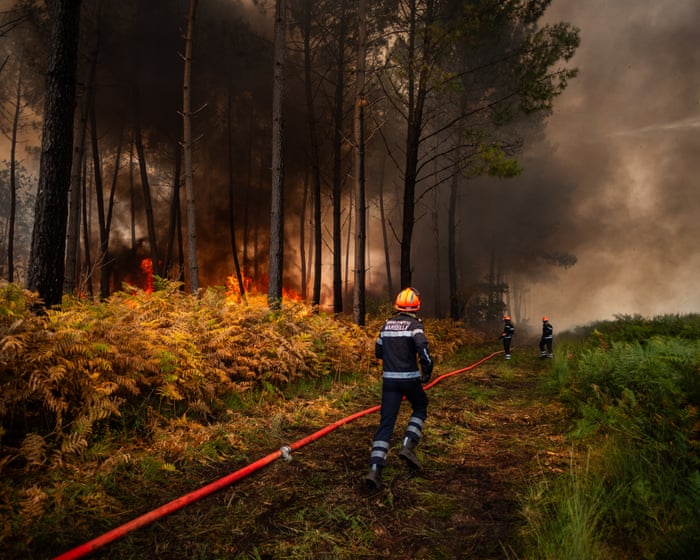
Coceral linked these crop losses to the intense heat that made June the hottest on record in western Europe. Maize was affected during its crucial pollination period, while wheat suffered during the “grain fill” stage, when cereals need moisture to develop—a key phase for crop yield.
Based on current prices, the Energy and Climate Intelligence Unit (ECIU) thinktank estimates the value of lost grain production at around €2 billion. However, this figure does not include wider costs from the heatwave, such as losses in vegetable crops and livestock.
Extreme heatwaves may cause a global decline in dairy production, scientists warn.
Tom Lancaster, the ECIU’s land, food, and farming analyst, said: “This will hit farmers in their wallets, reducing their income and undermining European food security at the same time. In the UK, we’ve already seen three of the five worst harvests on record this decade, and recent heatwaves here will inevitably have cost British farmers again.”
France is expected to see significant reductions in grain production, with an estimated 3.4 million tonnes of maize lost and the cost of lost grains reaching €891 million. The next biggest grain losses are expected in Hungary (2.4 million tonnes) and Spain (1.4 million tonnes).
Benoît Merlo, a farmer in the Auvergne-Rhône-Alpes region of France, said a decade of adapting his farm to hotter and drier conditions didn’t help this year: “With temperatures exceeding 38°C for weeks on end, everything is breaking down. I’m expecting yield losses of at least 50%, or even 70%, for certain crops, like soya.”
British farmers are reporting dry conditions across much of the UK after the June heatwave and a dry spring, though this has been most severe in East Anglia and parts of south-east England, with regional variations expected.
Helen Plant, lead analyst for cereals and oilseeds at the Agriculture and Horticulture Development Board (AHDB), said: “The dry conditions through April and much of May have clearly taken a toll on crop development, especially for spring crops and winter cereals with limited moisture reserves.”
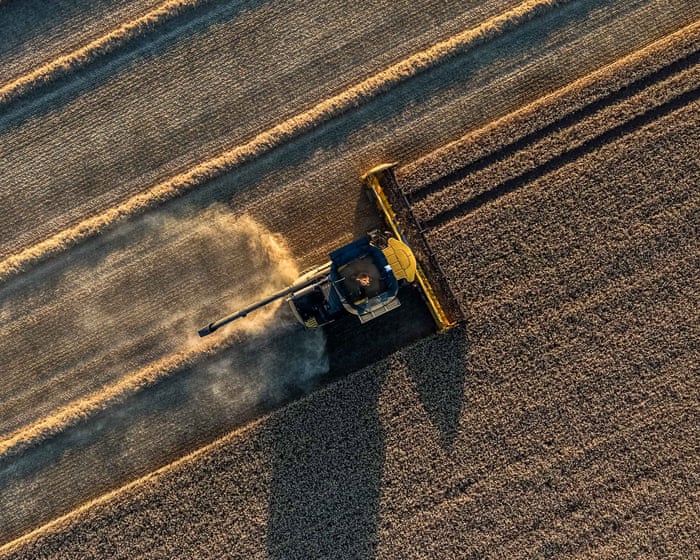
The AHDB noted that the UK harvest outcome is uncertain, and many farmers have had to bring forward harvesting due to the hot, dry weather.
Paul Tompkins, deputy president of the National Farmers’ Union, said: “Farmers and growers across the country are working around the clock to harvest early crops, keep fruit and vegetables watered, and care for their livestock. For many arable farmers, this could be another difficult and expensive harvest after extreme weather impacts in both 2024 and 2025, which saw both drought and flood.”
The lost crops are expected to make Europe more dependent on grain imports, pushing global commodity prices higher. However, this will also be influenced by the southern hemisphere harvest in late 2026 and early 2027.
The shortfall in European grain production comes as global crop supplies are also tightening, with severe drought affecting southern and western parts of the US, impacting grain and meat production.
Frequently Asked Questions
Here is a list of FAQs about the June heatwave that cost European grain farmers 2 billion written in a natural tone with clear answers
BeginnerLevel Questions
1 What exactly happened in June with this heatwave
A severe heatwave hit large parts of Europe with temperatures far above normal for weeks This happened during a critical growth period for grain crops like wheat and barley
2 How much money did farmers lose
The total estimated loss is around 2 billion This combines lost sales from smaller harvests and damage to the quality of the grain that was harvested
3 Which countries were hit the hardest
France Germany Poland and parts of Spain and Italy were particularly affected These are some of Europes biggest graingrowing regions
4 Why did the heat cause so much damage to crops
The extreme heat dried out the soil and stressed the plants right when they were forming grain This made the grains smaller and lighter and in many cases the plants simply died before they could be harvested
5 Does this mean the price of bread or pasta will go up
It could When fewer grains are harvested the price of raw materials often rises This can eventually lead to higher costs for bread pasta animal feed and beer
IntermediateLevel Questions
6 How does a heatwave cause crop damage beyond just lower yields
Its not just about less grain High temperatures can cause shriveled or pinched kernels reducing grain weight It also lowers the protein content in wheat which makes it less valuable for making bread flour Some grain may even be downgraded to animal feed which sells for a lower price
7 Was this 2 billion loss covered by insurance
Only partially Many European farmers have crop insurance but policies often have high deductibles or dont cover extreme heat events fully The 2 billion figure represents the uninsured loss and the direct revenue drop so farmers are absorbing most of the hit
8 How does this compare to a normal years revenue
For a typical grain farmer a loss of this scale can wipe out their entire profit for the year In some regions the revenue drop was 2030 compared to an average season