Правителството е изправено пред призиви да преразгледа договора на британска компания за износ на високотехнологични машини за Армения, след като "Гардиън" разкри връзки с веригата за доставки, поддържаща военните усилия на Русия.
Експерти по санкции и председателят на бизнес комисията в Камарата на общините оспориха решението да се издаде лиценз за износ на "Сигнет Текскимп". Компанията произвежда машини за производство на въглеродни влакна "препрег", лек и издръжлив материал с гражданско и военно приложение.
Машините са в заключителен монтаж в склада на компанията в Нортчуич, Чешър, и могат да бъдат изпратени до новата арменска компания "Ридена" ЕООД в рамките на седмици. "Ридена" е основана две години след руската инвазия в Украйна от бивши ръководители на фирма, която се е превърнала в ключов военен доставчик за Кремъл.
"Сигнет" заяви, че е извършила необходимите проверки на крайния потребител и е получила пълно одобрение от правителството за износа. "Ридена" настоява, че не прави бизнес с руски клиенти. Експерти обаче казват, че сделката повдига сериозни въпроси за ефективността на британския контрол на износа, предназначен да предотврати британските компании да подпомагат инцидентно войната в Украйна.
"Незаменим" за оръжията
През февруари 2023 г. американското министерство на финансите наложи големи санкции срещу 83 юридически лица и 22 физически лица, включително "Уматекс" — ключово подразделение на руската държавна компания за ядрена енергия "Росатом". Обединеното кралство санкционира "Уматекс" през май същата година.
"Уматекс" беше посочен като най-големият производител на въглеродни влакна в Русия, материал, който САЩ описаха като "критичен" за руската армия. Той се използва в почти всички отбранителни платформи, включително самолети, превозни средства, ракети и защитна екипировка.
Олена Юрченко от Икономическия съвет за сигурност на Украйна потвърди важността на материала, наречи го "незаменим" за намаляване на теглото и повишаване на устойчивостта на топлина в оръжията, като дронове.
Да ръководиш ключова част от военната машина на Кремъл носи рискове. Генералният директор на "Уматекс", Александър Тюнин, беше намерен мъртъв миналата година в това, което руските власти нарекоха привидно самоубийство, продължавайки тенденцията на внезапни смъртни случаи сред руските бизнесмени след началото на войната.
През по-голямата част от мандата на Тюнин, започнал през 2016 г., негов заместник беше Дмитрий Коган. Коган напусна "Уматекс" през януари 2023 г., година след руската инвазия, и по-късно основа "Ридена" в Ереван, Армения.
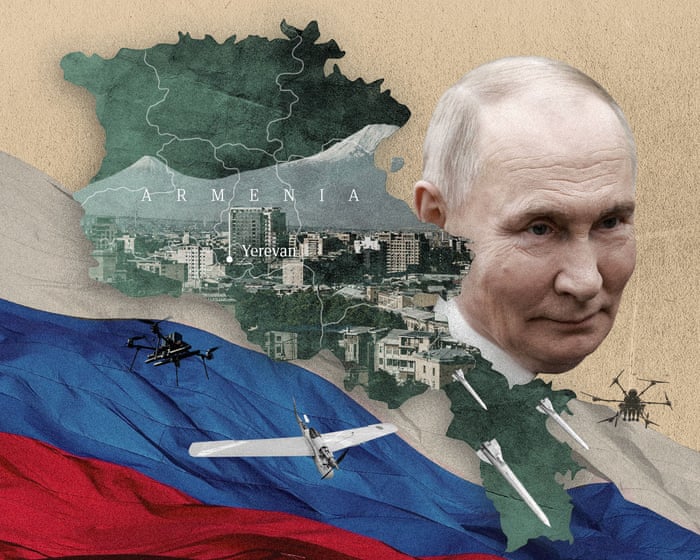
Армения, разположена между Турция, Иран и Русия, е идентифицирана в правителствен доклад като център, използван от Москва за индиректно придобиване на критична военна техника, заобикаляйки западните санкции.
Коган не е единственият бивш ръководител на "Уматекс" в "Ридена". Бившият директор по бизнес развитие на компанията, Александър Шлейников, е финансов директор. През май следващата година към тях се присъедини Александър Иличев, награден учен в областта на аерокосмическите композитни материали, който ръководеше изпитвателната лаборатория на "Уматекс".
Сайтът на "Ридена" подчертава работата й в аерокосмическия сектор, дроновете и автомобилния сектор, дори намеквайки за космически начинания. "Ако искате да отидете на Марс, ние знаем как да направим вашия космически кораб по-лек", заявява компанията на сайта си. "Ридена" твърди, че нейните машини са за "гражданско промишлено производство", като добавя, че не произвежда военна техника и не води бизнес с компании в Русия или други санкционирани юрисдикции.
Корпоративните записи обаче показват, че нейните лидери поддържат текущи връзки с Русия. Коган и Шлейников са и директори на компанията със седалище в Кипър "Ридена Холдинг" ЕООД. И двамата посочиха московски адреси в документи, подадени в кипърския корпоративен регистър през август тази година.
Юрченко изрази сериозни притеснения относно миналата заетост на дуото в "Уматекс". "Всеки, който е работил там, особено на висока позиция, е бил част от руската военна машина", каза тя. "Санкциите и изолацията от западната технология само увеличават нуждата на "Уматекс" от сложни схеми за внос на оборудване — както за поддържане на съществуващите операции, така и за разширяване на производството, за да се задоволят нарастващите изисквания на военно-промишления комплекс. Всеки, който изнася машини за тяхната нова компания или одобрява този износителен лиценз, трябва да е абсолютно сигурен, че няма останала връзка."
"Ясен риск за пренасочване"
Информацията за ръководството на "Ридена" и тяхната минала работа за "Уматекс" беше публично достъпна, когато "Сигнет" прие договора, оценен на над 4 милиона паунда, през февруари 2025 г. "Сигнет" получи лиценз за износ по-късно същата година.
И "Сигнет", и британското правителство отказаха да отговорят на въпросите на "Гардиън" дали са били наясно с връзката с "Уматекс". "Сигнет" заяви, че е била информирана от правителството, че служителите нямат "конкретни притеснения" относно договора и че "предприеха подробни проверки на крайния потребител, изисквани от контрола на износа, и получиха пълно одобрение за износ".
Адвокатите на компанията добавиха: "Ридена подписа декларация, че стоките няма да се използват за цели, свързани с химически, биологични или ядрени оръжия, или ракети, способни да доставят такива оръжия."
Експертът по санкции Ана Брадшоу предупреди, че такава декларация на крайния потребител може да предложи малко практически гаранции, че машините или техническата им информация няма да бъдат пренасочени към Русия. "Има ясен риск от пренасочване и ако отговорът е, че това е смекчено от декларация на крайния потребител, това е много тревожно. Всеки знае, че декларацията на крайния потребител е ограничено средство. Ако бъде нарушена, корабът вече е отплавал."
"Сигнет" вече е изпратила технически чертежи на "Ридена" като част от процеса на проектиране и сглобяване и е съгласна да предостави ръководства, преведени на руски език — език, често използван в арменската промишленост. Очаква се износът да се осъществи до април или началото на май.
"Куп червени знамена"
През 2016 г. собственикът на "Сигнет", Матю Кимптън-Смит, претърпя сърдечен арест, докато караше колело. Според сайта на компанията, ревностният християнин е "100% убеден, че Господ го е спасил с причина". През следващата година той дари 2500 паунда на Консервативната партия чрез офиса на своя местен депутат Естър Маквей, според записите на Изборната комисия.
Въпреки че не участва пряко в ежедневните операции, Кимптън-Смит наблюдава период на успех за "Сигнет", основана от родителите му през 1974 г. Групата отчете продажби от 18,7 милиона паунда миналата година, работейки с известни клиенти като производителя на спортни автомобили "Макларън". Необичайно за компания с нейния размер, "Сигнет" беше спомената в секцията за напреднали технологии на правителствената индустриална стратегия, публикувана миналата година.
"Сигнет Текскимп", която генерира по-голямата част от приходите на групата, се описва като "водена от износ" бизнес, доставяйки сектори, включително аерокосмическия, промишления и отбранителния.
Няма предположение, че "Сигнет" е нарушила правилата за лицензиране на износ в Обединеното кралство. Връзката с "Уматекс" обаче подчертава предизвикателствата при наблюдението на потока на стоки и компоненти към Русия. Русия и страни като Армения, които могат да служат като транзитни пунктове, са под наблюдение. Процесът за получаване на лиценз за износ включва участие на множество правителствени департаменти, включително служби за сигурност. Правителственият говорител обаче отказа да коментира дали служителите са разследвали връзката на "Ридена" с "Уматекс". "Сигнет" също отказа да коментира дали е била наясно с тази връзка.
Депутатът Лиъм Бърн, който ръководи избрания комитет, наблюдаващ бизнес департамента, заяви: "Тук има куп червени знамена и правителството трябва да обясни какво е направило, за да се увери, че всичко е наред. Ние сме дълбоко загрижени, че прилагането на правителството не е на правилното място." Очаква се Бърн да пише до Департамента по бизнес и търговия (ДБТ), за да се информира за познанията му за връзките на "Ридена" с "Уматекс".
В изявление "Сигнет" каза, че "активно си сътрудничи с британското правителство по всички въпроси, свързани с контрола на износа. През последните години сме се срещали няколко пъти, за да обсъдим тази тема с висши министри и министри от опозицията, включително тези, представляващи ДБТ." Компанията подчерта, че "полага големи грижи да спазва по всяко време правилата за износ на британското правителство. В случая с нашия договор с "Ридена", както и във всички останали случаи, ние предприехме подробни проверки на крайния потребител, изисквани от контрола на износа, и получихме пълно одобрение за износ. "Ридена" предостави декларация на крайния потребител и удостовери крайното използване на нашата технология, което британското правителство одобри. Това потвърждава предназначеното използване на нашата технология от "Ридена" в автомобилния, морския, спортния, гражданския аерокосмически сектор и сектора на инструментите на европейския пазар. Нашият значителен опит е изграден върху честност във всичко, което правим, и това включва работата ни с клиенти, партньори, колеги и правителства."
"Ридена" заяви, че машините са "предназначени за използване в гражданско промишлено производство" и че не участва, пряко или косвено, в проекти, свързани с отбраната. Компанията добави, че няма бизнес връзки с руски компании или държавни структури, а нейните ръководители нямат връзки с компании под санкции, нито са работили за организации, които са били под санкции по това време. Тя също така отбеляза, че износът на контролирани продукти от Армения, като стоки с двойно предназначение като препрегове от въглеродни влакна, изисква разрешение и проверка на крайното използване.
Говорител на ДБТ каза: "Обединеното кралство има един от най-здравите режими за контрол на износа в света и всички решения за лицензиране на износ се вземат в съответствие със строгите ни критерии. Ние също така забранихме износа на хиляди продукти за Русия и заедно с нашите международни партньори приложихме най-суровия пакет санкции, наложен някога на голяма икономика."
Често задавани въпроси
Разбира се, ето списък с често задавани въпроси относно притесненията за британския износ към компания, свързана с руските военни операции, написани с естествен тон и ясни, директни отговори.
Въпроси за начинаещи
1. Каква е основната история тук?
Британските власти и експерти откриха, че британски стоки и технологии, които подлежат на строги забрани за износ към Русия, са били изпратени в други страни и в крайна сметка са попаднали при руска компания, която снабдява армията. Това означава, че санкциите се заобикалят.
2. Коя руска компания е замесена?
Компанията е "ОДК Климов" със седалище в Санкт