Nu a fost chiar Beatlemania, dar în perioada de glorie a lui Paul Auster, în anii 1980 și '90, fani care urlau s-au urcat pe capota mașinii sale după o lectură în Buenos Aires. Admiratori l-au împresurat la evenimente în librării din Paris, orașul în care el trăise cândva de pe o zi pe alta, traducând literatură franceză. I s-au oferit sume mari pentru a apărea în reclame care promovau carnea de vită americană pentru Japonia. A fost proclamat star rock, superstar literar, postmodernist cu înfățișare de protagonist.
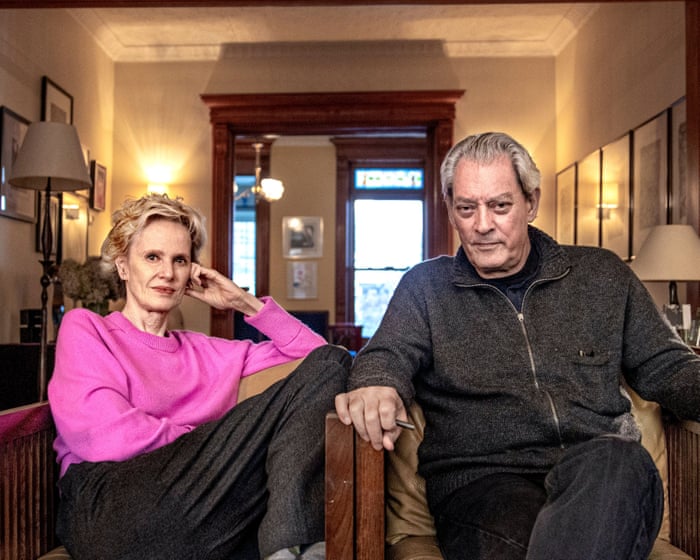
Puține dintre acestea au o pondere sau oferă alinare romancierei și eseistei Siri Hustvedt, care a fost căsătorită cu Auster peste 40 de ani, până când acesta a murit de cancer în 2024. După cum relatează ea în **Povești fantomă**, memoriile despre viața lor împreună, ea era o înaltă studentă la doctorat, blondă, într-un costum integral, când l-a cunoscut pe el – „un bărbat frumos într-o jachetă de piele neagră” – la o lectură de poezie. El era separat de mama copilului său, trăia singur într-un apartament sumbru din Brooklyn și nu publicase încă nimic semnificativ. Literatura i-a unit: el avea doar 15 ani când și-a decis că viitorul său este în scris; ea ajunsese la aceeași concluzie și mai devreme.
Nopți în oraș. Un taxi spre centru, un bar plin de fum, vorbind și vorbind și vorbind. Se trezesc împreună. La scurt timp, când el îi spune că se întoarce la soție și copil, ea își cunoaște propriile sentimente. „Cred că ești cel mai bun și este foarte trist să pierzi cel mai bun”, îi scrie ea. La nunta lor, anul următor, un prieten poet ridică un pahar: „Pentru mire și mireasă – doi oameni atât de frumoși încât mi-aș dori să le tai fețele cu un brici.” Acum, la sfârșitul anilor 60 de viață și proaspăt văduvită, amintirile revin în valuri. Cum el îi spunea: „Îmi place să te urmăresc traversând camera goală.” Cum el întreba: „‘Beckett sau Burroughs?’ ‘Beckett,’ am spus instantaneu. Paul m-a apucat, m-a sărutat cu putere și am început să facem dragoste pe scări.”
Hustvedt descrie căsnicia lor ca un „dialog”. Își citeau și își editau reciproc lucrările. Propoziții din cărțile lui conțineau citate textuale din romanele ei și viceversa. **Povești fantomă**, crede ea, este o „vânătoare după partenerul meu pierdut”, dar mai mult decât atât, este o vânătoare după o conjuncție pierdută – „Da, îl plâng pe Paul, dar mai tot timpul, îi plâng pe Siri și Paul. Plâng ȘI-ul. Plâng cum mă făcea să mă simt în lume acel ȘI. Acel ȘI unde el și eu ne suprapuneam.”
Hustvedt spune că Auster a vrut să moară spunând o glumă.
Acum timpul este frânt. „Zăpăcit dincolo de recunoaștere”, observă Hustvedt. Când iese afară, nu mai poate găsi o intrare familiară în metrou. Se pipăie, se verifică mereu să nu fi pierdut cheile. Casa este plină de capcane – mirosul țigărilor soțului ei, cărți poștale cu scrisul lui, numele lui pe un cecar. **Povești fantomă** – fragmentat, plin de paragrafe scurte, chiar de o singură propoziție – păstrează natura concuzivă a durerii, cataloghează amintiri haptice (picioarele lui Auster, fierbinți ca un cuptor, erau un alinament pentru picioarele ei mereu reci), caută alinare și înțelepciune (de la Kierkegaard și C.S. Lewis, printre alții) și jelește iarna nesfârșită ce urmează („Acum trăiesc într-un curent continuu”).
Moartea lui Auster forțează o schimbare a pronumelor – Hustvedt trebuie să se prindă spunând „al nostru”; de acum înainte va trebui să fie „al meu”. Se gândește la începutul căsniciei lor, înainte ca romanele ei **Ceea ce am iubit** (2003) și **Vara fără bărbați** (2011) să devină bestsellere internaționale, când avea o „atitudine defensivă, iritabilă față de a fi tratată ca un accesoriu al soțului meu”. Harvey Weinstein, producătorul filmului **Blue in the Face** (1995), regizat de Wayne Wang după un scenariu al lui Auster, o prezintă la o petrecere ca „soția frumoasă a lui Paul”. A fost, reflectă ea, „ca și cum aș fi fost un lucru fără nume, inanimat, care îi aparținea soțului meu”.
Auster era adesea considerat un postmodernist de elită și un exeget al teoriei critice, dar... Siri Hustvedt, care a explorat și ea aceste teme în volumul său de eseuri **Mothers, Fathers, and Others** (2021), s-a angajat de mult cu gânditori precum Lacan și Bahtin. Fundalul său academic – încă predă psihiatria la un colegiu medical din New York – strălucește în scrierile sale, fie că descrie casele ca „zone de repetiție gestuală” sau citează conceptul fenomenologului Maurice Merleau-Ponty despre „intercorporealitate”, care se referă la relațiile noastre corporale împletite cu ale altora.
Hustvedt își amintește că soțul ei, Paul Auster, a vrut să moară spunând o glumă. Ea găsește un umor negru chiar și în cancerul în stadiu avansat, notând absurditatea că viața lui a fost prelungită de un medicament de imunoterapie derivat parțial din celulele ovariene ale hamsterilor chinezi. Poate râde și de ea însăși, cum ar fi atunci când se enerva din cauza sistemului lui diferit de organizare a bibliotecii lor comune – „‘Unde e Gertrude Stein, pentru numele lui Dumnezeu?’ îi strigam.” După moartea lui, într-un moment de distragere, a urcat odată într-o cadă pe jumătate plină fără să-și amintească să-și scoată șosetele. Auster însuși remarcase: „După toate lucrurile oribile prin care am trecut, dacă mor de cancer, va fi o poveste proastă.”
Hustvedt are nevoie de acel râs, înconjurată cum este de întuneric. Prietenul familiei, Salman Rushdie, care îi vizitează, și-a pierdut recent ochiul drept într-un atac violent în nordul statului New York. Hustvedt însăși alunecă pe trotuar și ajunge la urgență cu încheietura mâinii fracturată. Analistul ei de lungă durată moare. Apoi vin două pierderi mai devastatoare: nepoata lui Auster, Ruby, în vârstă de 10 luni, din cauza unei intoxicații acute cu heroină și fentanil, urmată de tatăl Rubyei, Daniel – fiul lui Auster din prima căsătorie cu scriitoarea Lydia Davis – din cauza unei supradoze. Viața tulburată a lui Daniel se desfășoară în fragmente triste: numeroase încercări de terapie și consiliere, furtul a 13.000 de dolari din contul bancar al lui Hustvedt când era adolescent, falsificarea de transcrieri academice și prefăcându-se că se înscrie la universitate pentru a cheltui banii de școlarizați ai tatălui său pe droguri.
După cum spune Hustvedt, cartea ei **Povești fantomă** este, „Ca multe jurnale, plină de goluri – o geografie a spusului și a ne-spusului”. Alături de „Rapoarte de doliu” care documentează spitalizarea și înmormântarea lui Auster, include actualizări prin e-mail pe care le-a trimis prietenilor apropiați „din Țara Cancerului”, „Cupletele Eroice” pe care i le-a dat cu ocazia Crăciunului dinaintea morții lui („Forma poate părea absurdă, ridicolă, / Prea rigidă pentru orice modernist mândru”) și scrisorile pe care el le-a scris lui Miles, fiul nou-născut al fiicei lor Sophie.
Cu toate acestea, în ciuda pierderii și singurătății pe care le înregistrează, ceea ce contrabalansează melancolia omniprezentă din **Povești fantomă** – și îi dă vitalitate – este mânia ei incandescentă. Declinul lui Auster oglindește cel al Americii; Hustvedt notează că el refuza să pronunțe numele lui Donald Trump, referindu-se la el doar ca „45”. Citind ziarul la micul dejun, scriitorul – odată intervievat de președintele Finlandei și onorat cu o bibliotecă de cercetare dedicată la Universitatea din Copenhaga – suspina și mormăia. Genul său de intelectualism sta în contrast puternic cu naționalismul ignorant întruchipat de apelul vicepreședintelui JD Vance „să atacăm cinstit și agresiv universitățile din această țară”.
Hustvedt, a cărei mamă norvegiană a trăit cinci ani de ocupație nazistă în timpul celui de-al Doilea Război Mondial, observă că măsurile de închidere a Agenției SUA pentru Dezvoltare Internațională (USAID) ar costa milioane de vieți. La comemorarea soțului ei, ea și-a citat tatăl: „‘Când fascismul va veni în America, îl vor numi americanism.’ A venit și o fac.”
**Povești fantomă: Memorii** de Siri Hustvedt este publicată de Sceptre (£22.00). Pentru a sprijini The Guardian, cumpărați o copie de la guardianbookshop.com. Pot aplica taxe de livrare.
Întrebări frecvente
Desigur, iată o listă de Întrebări Frecvente despre recenzia și subiectul cărții Povești fantomă de Siri Hustvedt în contextul vieții după Paul Auster.
Întrebări generale pentru începători
Î: Ce este Povești fantomă de Siri Hustvedt?
R: Este o nouă colecție de eseuri a autoarei apreciate, publicată în 2024. Eseurile explorează teme precum memoria, percepția, fantomele și forțele nevăzute care modelează viețile noastre.
Î: De ce recenziile menționează în continuare viața după Paul Auster?
R: Paul Auster, soțul lui Hustvedt de peste 40 de ani și un romancier celebrat, a decedat în aprilie 2024. Multe recenzii citesc această nouă carte, care tratează absența și trecutul, prin prisma acestei pierderi personale profunde, chiar dacă eseurile au fost scrise înainte de moartea sa.
Î: Este aceasta o carte de memorii despre durerea ei pentru Paul Auster?
R: Nu direct. Cartea nu este o carte de memorii despre durere, ci o colecție de eseuri intelectuale. Cu toate acestea, temele sale despre bântuire, memorie și ceea ce rămâne după ce o persoană dispare par profund rezonante și pătrunzătoare, având în vedere momentul publicării sale după moartea lui Auster.
Î: Trebuie să fi citit opera lui Paul Auster pentru a înțelege această carte?
R: Nu, nu este necesar. Cartea se susține singură. Cu toate acestea, cunoașterea parteneriatului lor literar lung și faimos ar putea adânci aprecierea pentru subtextul emoțional pe care mulți cititori și recenzenți îl descoperă în ea.
Întrebări mai profunde și analitice
Î: Care este principala legătură pe care recenzenții o fac între carte și moartea lui Auster?
R: Recenzenții notează că preocupația centrală a cărții – cum trecutul și oamenii din el bântuie prezentul – pare înfricoșător de profetică. Este văzută ca o meditație puternică, deși neintenționată, despre a trăi cu fantoma unui partener iubit.
Î: Cum diferă Povești fantomă a lui Hustvedt de ficțiunea ei?
R: În timp ce ficțiunea ei explorează adesea terenuri psihologice și filosofice similare, aceasta este o colecție de eseuri de nonficțiune. Este mai directă în investigația sa intelectuală, amestecând anecdote personale cu perspective din neuroștiință, psihanaliză și istoria artei.
Î: Fantomele din carte sunt menite să fie spirite reale?
R: În mare parte, nu. Hustvedt