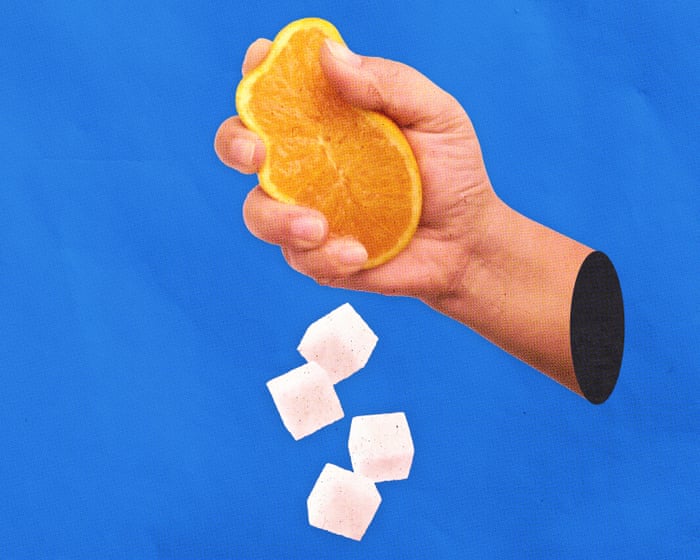
Many people try to avoid eating too much sugar, but it’s added to so many foods and drinks that it’s hard to escape. It goes by over 50 different names on labels, shows up even in foods that seem savory, and the alternatives are confusing and controversial. So, is sugar addictive—and should you cut it out completely?
What exactly is sugar?
We all know the stuff you put in tea or coffee—table sugar (sucrose), made from refined sugar cane or sugar beet. But “sugar” is a broader term for simple carbohydrates found naturally in fruits and some vegetables (fructose, glucose, and sucrose), dairy products (lactose), and malted grains (maltose).
Is it bad for me?
Not when it comes from whole foods like fruit, vegetables, milk, and plain yogurt. “These foods offer so many nutrients that are important for overall health,” says Sammie Gill, a senior scientist at the British Nutrition Foundation (BNF). “Fruit has vitamin C, fiber, and phytochemicals, and milk contains calcium, protein, and vitamin B12. You can’t compare a piece of fruit to a bag of sweets or a glass of milk to a can of cola.” Most of us would benefit from more fruit in our diets, not less.
So what kind of sugar should I limit?
“Free” sugars—meaning all sugars added by the manufacturer, the cook, or the consumer. The usual suspects are fizzy drinks, biscuits, cakes, and chocolate.
That seems pretty obvious.
It also includes alcoholic drinks, fruit juices, and smoothies (free sugars are released during juicing), many breakfast cereals, flavored yogurts, sauces and condiments, and a host of other processed foods. Or anything with a label that includes words like syrup, nectar, molasses, treacle, or words ending in “-ose” (like dextrose), fruit juice concentrate or puree, honey…
Surely honey is OK?!
“Honey often has a reputation for being healthier than white sugar—it has a strong health halo,” says Gill. “In reality, while honey contains small amounts of vitamins and minerals, the amount is minimal and too low to provide meaningful health benefits.”
So that “healthy” snack with honey (or maple syrup, or agave nectar) is no better than a chocolate bar? “Ultimately, sugar is still sugar,” says Gill. “There are more than 50 names for it, and while some may sound more natural or healthier, the body processes them in much the same way.”
Manuka honey has traditionally been used to treat wounds, insect bites, burns, and other skin conditions, but studies are inconclusive. Public Health England and the National Institute for Health and Care Excellence recommend using honey occasionally for acute coughs to avoid unnecessary antibiotics, but warn that it’s still a sugar and can cause tooth decay.
Any other surprising sources of sugar?
The Food Foundation’s annual Broken Plate report, published last week, found that 74% of baby and toddler snack products contain high or medium levels of sugar—even those labeled “no added sugar.” This is because many include fruit purees. Last year, a report by Action on Sugar found that 68% of “healthy” snack bars sold in the UK—those marketed as high fiber, high protein, and/or low sugar—would carry a “high in sugar” warning label in Chile, which has a mandatory labeling system. It also warns that many milk substitutes, like rice, almond, and soy milks, often contain added sugar.
I’ve got a really sweet tooth. Can’t I have some free sugars?
Of course—it’s extremely difficult to eliminate all added sugar, and there’s very little evidence that you should. After a 2014 review, the official guidance from the WHO and the American Heart Association is that added sugar should make up no more than 10% of your daily calorie intake (200kcal/50g/12 tsp). The UK goes further, based on a 2015 report by the Scientific Advisory Committee on Nutrition.The Scientific Advisory Committee on Nutrition (SACN) and the NHS recommend that free sugars should make up no more than 5% of your daily calories, which is about 30g or seven sugar cubes. To put that in perspective, the British Heart Foundation notes that a standard chocolate bar contains 25g of free sugar, and a 330ml can of cola has 35g.
I’m guessing not many people actually stick to the 30g limit, right?
View image in fullscreen
Children aged 4 to 18 consume the most sugar. Photograph: Posed by model; Maria Korneeva/Getty Images
No – according to the British Nutrition Foundation (BNF), Britons eat about twice as much sugar as they should. That’s understandable when 30g of sugar is the same as a small glass of fruit juice and a flavoured yoghurt. Add a pastry or a bowl of cereal, and breakfast alone could put you over your daily limit. Children aged 4 to 18 eat the most sugar (around 12% of their daily calories), with soft drinks being the main source for those over 10. For adults, the biggest culprits are soft drinks and alcohol. Other major sources include breakfast cereal, sweets, table sugar, fruit juice, biscuits, buns, cakes, and pastries.
In a 2023 review, Australian researchers found that global sugar consumption has dropped a little since the year 2000, but it’s still high and well above recommended limits. For example, daily sugar intake in the US fell from 96.6g to 72.3g per person between 2001 and 2018, but only among adults under 50.
And all this sugar is rotting our teeth?
Yes – especially sugary soft drinks. “Sugar reacts with certain bacteria in the mouth to create acids that weaken tooth enamel. Drinking more sugary drinks is linked to a higher risk of cavities,” says Gill. On the other hand, “eating dairy products that naturally contain lactose can help protect against cavities, mainly because of the calcium and phosphate, as well as milk proteins like casein.”
The British Dietetic Association (BDA) advises against drinking fizzy drinks often, and suggests having fruit juice and smoothies only in small amounts (up to 150ml a day) with a meal, not as a snack. It also notes that while “diet” soft drinks contain sugar-free sweeteners, “most are still acidic enough to harm your teeth if you drink them too often.”
What are the other health risks?
Besides tooth decay, the 2015 SACN report found that high sugar intake is linked to a greater risk of obesity – which isn’t surprising. In Greece, the Hellenic National Nutritional Health Survey (2013-15) found that children who got more than 10% of their calories from added sugars were 2.57 times more likely to be overweight or obese than those who got less than 10%.
Action on Sugar says there may also be a link between too much sugar and high blood pressure, some cancers, and non-alcoholic liver disease.
Why are sugary drinks so bad?
View image in fullscreen
Sweet drinks make it easy to consume a lot of sugar very quickly. Photograph: Narong Khueankaew/Getty Images
“Sugary drinks are generally more problematic because it’s very easy to consume a large amount of sugar quickly,” says Gill. Many studies have shown that sugary drinks lead to weight gain and are linked to various health problems. For example, the Framingham Heart Study in Massachusetts, which started in 1948 and is now on its third generation of participants, found that people who drink a lot of sugary drinks have significantly more liver fat, less “good” (HDL) cholesterol, and more “bad” (LDL) cholesterol and triglycerides. Other research has found a clear link between soft drink consumption and the risk of type 2 diabetes.
In 2024, an observational study by Lund University of 70,000 Swedes found that sugary drinks were more strongly linked to cardiovascular disease than any other form of sugar. The group that drank the most had a significantly higher risk of ischaemic stroke, heart failure, atrial fibrillation, and abdominal aortic aneurysm. The researchers said: “Liquid sugar is likely to be less filling than sSugar that is eaten in solid form can lead to overeating, which increases calorie intake and raises blood sugar levels.
Does sugar also affect my mood?
Quite possibly—and it might even impact your thinking. The Australian review found growing evidence of “long-lasting effects from chronic excessive sugar intake on memory, mood, object recognition, and concentration.” Diets high in sugar have been linked to depression, anxiety, stress, hyperactivity, and behavioral issues. Some studies show that drinking a lot of sugary drinks during pregnancy or breastfeeding is associated with poorer “childhood cognitive performance and social-emotional development.” Finally, the researchers note that “current evidence strongly suggests refined sugars play a major role in cognitive dysfunction and dementia.”
What does it do to my gut?
This is a new area of research, but so far, sugar has been linked to dysbiosis (disruption) of the gut microbiome. Dysbiosis, in turn, has been connected to obesity, insulin resistance, and non-alcoholic liver disease.
Is sugar addictive?
Kawther Hashem, a senior lecturer in public health nutrition at Queen Mary University of London and head of research and impact at Action on Sugar, says sugar isn’t an addictive substance like nicotine. However, some people may show addictive behaviors, such as bingeing and withdrawal. “We’re used to having sugar,” she says. “It’s in foods we find pleasurable, so it’s hard to eat less.” Sugar can boost dopamine and reduce ghrelin and leptin, which lowers the feeling of fullness.
Sweets and other sugary foods are often a way to show love and affection. Emotions and culture play a role too. “Our attachment to sugar starts very early—at any children’s birthday party, people will be confused if you don’t want your child to have a slice of cake,” says Hashem. “In many cultures, we show love through sugary foods. They’re given as treats for good behavior—not long ago, lollipops were even given to kids at the dentist!”
So how can I cut down?
Do it gradually, says Gill. “Cutting something out completely right away is often hard to keep up. If you usually have a teaspoon of sugar in your tea or coffee, try half a teaspoon and go from there. Swap fizzy, sugary drinks for sparkling water with fruit or a low-sugar kombucha.”
Some people are more sensitive to sugar than others, but everyone can retrain their taste buds to some extent. “Your preference for sweetness is influenced by your genetics (which you can’t change) and your environment (which you can),” says Gill. “Choosing lower-sugar options can help make the taste more acceptable. Adjustment happens with repeated exposure, so it takes some time and persistence.”
There’s nothing wrong with an occasional treat, says Hashem—as long as it truly is occasional. Supermarkets and food companies want us to treat ourselves all the time: “Every season, every festival, is a marketing opportunity for sugary foods. Easter candy is on the shelves right after Christmas,” she says.
The British Nutrition Foundation suggests some simple swaps: instead of sweet snacks, try fresh fruit or savory snacks like whole-grain crackers with cheese; natural yogurt with fruit instead of flavored ones; sugar-free nut butters instead of jam or chocolate spread. It also advises focusing on what you can eat more of: vegetables, legumes, and whole grains. The FoodSwitch app, available in nine countries, lets you scan barcodes in supermarkets and recommends lower-sugar alternatives.
Doesn’t the UK have a sugar tax?
Yes, the soft drinks industry levy was introduced in 2018, taxing drinks with added sugars. From 2028, it will also cover some sugary milk-based drinks that were originally exempt.Since then, drink manufacturers have cut sugar content by an average of 47%. Gill says, “The tax was a good step forward, but the food environment is complicated and needs a bigger overhaul to make real change. There’s been a big increase in the use of sweeteners, and while they’re generally seen as safe, it’s probably best not to rely on them too much, especially since new observational data suggests possible links to various health issues and disruptions to gut bacteria.” For instance, a Brazilian study last year found that sweeteners might harm brain health. Other research has linked certain sweeteners to obesity, heart disease, and some cancers.
So, should I not just switch from sugar to sweeteners?
View image in fullscreen
Sweeteners are an alternative to sugar. Photograph: AntonioGuillem/Getty Images
Action on Sugar explains there are two types of sweeteners. High-intensity sugar replacers have no calories and taste very sweet, while polyols, which come from sugar, have low calories and add bulk and sweetness. In the EU, 11 sugar replacers are approved, including aspartame, saccharin, and sucralose, and seven common polyols, like xylitol, sorbitol, and isomalt. Each is considered safe to consume up to its “acceptable daily limit” – as the BDA points out, you could theoretically drink 12 cans of aspartame-sweetened drinks a day without going over that limit.
In 2023, the WHO released a guideline on sweeteners based on the latest evidence: “The WHO suggests that non-sugar sweeteners should not be used for weight control or to reduce the risk of noncommunicable diseases.” In the UK, the BDA, BNF, and Diabetes UK then updated their joint position. They say sweeteners can be a useful alternative for people who drink a lot of sugary drinks, especially those at risk of type 2 diabetes, but they’re best used to help gradually move away from sweet tastes. “Sweeteners aren’t a standalone solution. A healthy, balanced diet that’s low in sugars, saturated fats, and salt, and high in fiber is still key.” Water, they say, is the ideal drink.
That’s so boring…
Maybe, but it would also help the planet. According to a 2023 report by Action on Sugar, the UK uses about 100,000 hectares of land to grow sugar beet – roughly the same amount used for vegetables – which damages topsoil. The UK also imports huge amounts of sugar cane (325,000 tonnes this year), which needs a lot of water and nitrogen to grow, and is shipped long distances.
Frequently Asked Questions
Here is a list of FAQs about sugar based on the provided topic
BeginnerLevel Questions
1 What exactly is sugar
Sugar is a type of simple carbohydrate that your body uses for energy It occurs naturally in foods like fruit and milk but its also added to processed foods
2 Is all sugar bad for you
No Naturally occurring sugar in whole fruits and vegetables comes with fiber water and nutrients which slow down how fast your body absorbs it The bad sugar is the added kind found in sodas candy and processed snacks
3 How much sugar should I eat per day
The American Heart Association recommends no more than 6 teaspoons of added sugar per day for women and 9 teaspoons for men For reference one can of soda has about 10 teaspoons
4 Whats the difference between natural sugar and added sugar
Natural sugar is already in the food
Added sugar is any sugar or syrup put into food during processing
5 What are some common names for sugar on food labels
Youll often see cane sugar brown sugar honey maple syrup agave nectar and corn syrup But there are many more tricky names to watch for
AdvancedLevel Questions
6 I heard there are 50 names for sugar Can you give me a few sneaky ones
Absolutely Watch out for these less obvious names
Ending in ose Dextrose maltose sucrose glucose
Syrups Brown rice syrup malt syrup corn syrup solids
Other Fruit juice concentrate barley malt molasses and even evaporated cane juice
7 Is honey or agave syrup healthier than white sugar
Not really While honey and agave have trace minerals and antioxidants your body processes them nearly the same way as white sugar They are still added sugars and count toward your daily limit
8 Why is highfructose corn syrup considered so bad
HFCS is a cheap highly processed sweetener The main concern isnt that it