Iranin historiallisen Isfahanin kaupungin kuvernööri on syyttänyt Yhdysvaltoja ja Israelia "sodan julistamisesta sivilisaatiota vastaan", sen jälkeen kun pommituskampanjoiden aikana on tapahtunut vahinkoa maan perintökohteisiin.
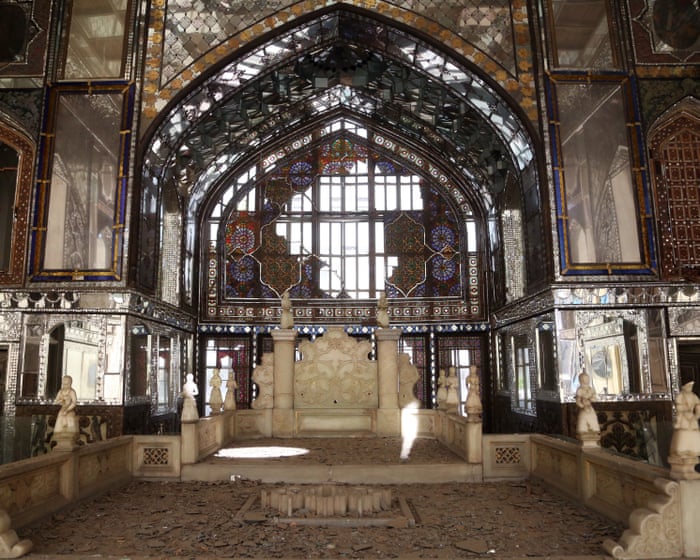
Merkittävin toistaiseksi vahvistettu vahinko on kohdistunut Teheranin 1300-luvulta peräisin olevaan Golestanin palatsiin ja Isfahanin 1600-luvulta peräisin olevaan Chehel Sotoon -palatsiin. Videoihin ja virallisiin lausuntoihin perustuen kumpaakaan rakennusta ei ole osunut suoraan ohjus, mutta lähellä tapahtuneiden räjähdysten paineaallot – ja mahdollisesti putoavat rauniot – rikkoivat lasit ja aiheuttivat laattojen ja muurauksen sortumista.
Golestanin palatsista otetut kuvat näyttivät sen kuuluisan peilisalin tuhoutuneen, hienostuneen peilityön palasten sirotellessa lattialle. Palatsi on UNESCOn maailmanperintökohde, ja YK:n kulttuurielin ilmaisi huolensa 2. maaliskuuta tapahtuneesta vahingosta todeten, että se oli jakanut kaikkien luetteloitujen perintökohteiden koordinaatit asianosaisille.
Viime päivinä suuret räjähdykset ovat ravistelleet myös keskustan Isfahania – kolmen historiallisen aikakauden pääkaupunkia – jossa suuri osa arkkitehtuurista on peräisin safavidien dynastiasta (1500–1700-luvuilta). Chehel Sotoon kärsi pahiten, mutta rikkoutuneita ikkunoita, ovia ja irronneita laattoja raportoitiin myös Ali Qapun palatsissa ja useissa Naqsh-e Jahan -aukiolla sijaitsevissa moskeijoissa. Asukkaiden ottamissa videoissa näkyi savua nousevana lähellä tapahtuneista ilmaiskuista.
Isfahanin kuvernööri Mehdi Jamalinejad totesi, että vahinko tapahtui huolimatta siitä, että historiallisten kohteiden koordinaatit oli jaettu sotiville osapuolille ja "siniset kilvet" – jotka merkitsevät kulttuuriaarteita Haagin sopimuksen (1954) mukaisesti – oli sijoitettu keskeisille kattopinnoille.
"Isfahan ei ole tavallinen kaupunki; se on museo ilman kattoa", Jamalinejad sanoi sosiaalisessa mediassa jaetussa puheessaan. "Tätä ei tehty aiemmissa aikakausissa – ei afgaanisodissa, mogulivalloituksessa eikä edes Iranin ja Irakin sodassa."
Hän lisäsi: "Tämä on sodanjulistus sivilisaatiota vastaan. Vihollinen, jolla ei ole kulttuuria, ei kunnioita kulttuurisymboleja. Maalla, jolla ei ole historiaa, ei ole kunnioitusta historiallisia merkkejä kohtaan. Maalla, jolla ei ole identiteettiä, ei ole arvostusta identiteettiä kohtaan."
Iranilainen geologi, joka työskenteli Isfahanissa vuosia, totesi Guardianille lähettämässään viestissä, että muinainen kaupunki on ainutlaatuisen haavoittuvainen: "Isfahania on jo pitkään hyökätty alhaalta maanvajoamisen kautta, mikä tuhoaa safavidien ajan rakenteita, ja nyt ylhäältä amerikkalaisten toimesta. Isfahanilla näyttää olevan tänään vähemmän ystäviä kuin koskaan."
Usein Kysytyt Kysymykset
Tässä on luettelo UKK:ista raportoiduista vahingoista Iranin muinaisissa perintökohteissa luonnollisella äänensävyllä ja suorilla vastauksilla.
Aloittelijatason Kysymykset
1. Mistä tässä uutisessa on kyse? Kuulin jotain muinaisten kohteiden pommituksista.
Tämä viittaa raportteihin, joiden mukaan useita Iranin historiallisia ja arkeologisia kohteita on vahingoitunut tai tuhoutunut viimeaikaisissa sotilaallisissa iskuissa. Iranin viranomaiset ja jotkut kansainväliset raportit ovat laajalti syyttäneet näistä iskuista Yhdysvaltoja ja Israelia, vaikka vastuun virallinen vahvistaminen voi olla monimutkaista.
2. Mitkä erityiset muinaiset kohteet vahingoittuivat?
Vaikka raportit voivat vaihdella, usein mainittuja kohteita ovat:
Tchogha Zanbil: Upea 3250 vuotta vanha elamilainen zikkurat, UNESCOn maailmanperintökohde.
Persepolis: Akhmenidien valtakunnan seremoniallinen pääkaupunki, toinen UNESCOn kohde. Raporteissa mainitaan usein läheiset alueet tai huoli sivuvahingoista.
Naghsh-e Rostamin nekropoli: Akhmenidien kuninkaiden muinainen hautauspaikka ikonisine kallioreliefeineen.
3. Miksi tämä on niin iso juttu? Eivätkö ne ole vain vanhoja rakennuksia?
Nämä eivät ole vain vanhoja rakennuksia. Ne ovat korvaamattomia ihmiskunnan historian tukipilareita. Iranissa sijaitsee yksi maailman vanhimmista jatkuvista sivilisaatioista, ja nämä kohteet edustavat kirjoituksen, valtakunnan, arkkitehtuurin ja kulttuurin alkulähdettä, jotka vaikuttivat koko alueeseen. Niiden menetys on menetys koko ihmiskunnalle.
4. Kuka on vastuussa näiden kohteiden suojelusta?
Ensisijaisesti Iranin kansallinen hallitus on vastuussa. Kansainvälisesti on olemassa sopimuksia, kuten Haagin sopimus kulttuuriomaisuuden suojelusta aseellisen konfliktin sattuessa (1954), johon monet maat, mukaan lukien Yhdysvallat, ovat suostuneet. Se kieltää kulttuuriperintökohteiden kohteena ottamisen.
Edistyneet / Käytännön Kysymykset
5. Ovatko Yhdysvallat tai Israel virallisesti myöntäneet vahingoittaneensa näitä kohteita?
Tyypillisesti kumpikaan maa ei virallisesti väitä, että kulttuuriperintö olisi ollut kohde. Operaatiot kuvataan yleensä sotilaallista tai turvallisuusinfrastruktuuria kohdistuviksi. Mahdolliset vahingot lähellä oleviin historiallisiin kohteisiin esitetään usein tahattomina sivuvahinkoina, vaikka kriitikot ja perintöjärjestöt kiistelevät tästä kiivaasti.
6. Mitä ovat kulttuuriperintöpommitus tai kulttuuripuhdistus?
Nämä ovat termejä, joita kriitikot ja jotkin