Der "Dickover" ist eine der größten Nervensägen des modernen Lebens. Der Begriff wurde im Mai vom Tech-Autor John Gruber geprägt und bezeichnet "ein modales Panel, Popover oder einen Vorhang, der von einer Website oder App präsentiert wird und absichtlich den eigenen Inhalt verdeckt, um den Nutzer zu frustrieren." Einfach ausgedrückt ist es das Ding – oder oft die vielen Dinge –, die man wegklicken muss, bevor man tatsächlich lesen kann, wofür man gekommen ist. Denken Sie an das "Cookies akzeptieren"-Feld, die "Benachrichtigungen erlauben?"-Aufforderung, das "Mit Google anmelden"-Pop-up oder das automatisch abspielende Videofenster.
Wir sollten nicht so tun, als wären Dickovers das einzige Schreckliche an der Technologie im Jahr 2026. Aber bis jetzt haben uns die Worte gefehlt, um diese Frustrationen zu beschreiben, also hier ein paar Vorschläge.
AI-Hörnchen
Brauchen wir wirklich einen KI-Navigator? Das Schlimmste am heutigen Internet ist, dass KI-Funktionen überall sind, in jede Ecke unseres digitalen Lebens gezwungen. Google zeigt Ihnen eine KI-Zusammenfassung, bevor Sie überhaupt Ihre Suchergebnisse sehen. Instagram kann KI-Bilder generieren. Spotify hat einen KI-DJ, der ohne guten Grund zwischen den Songs plaudert. Nichts davon ist wirklich hilfreich. Mein Auto hat kürzlich von Google Assistant (der sagte: "Klar, navigiere zu KFC") auf Google Gemini umgestellt (der sagte: "OK, großartig. Ich habe mehrere Standorte innerhalb von 160 Kilometern gefunden, die die Buchstaben 'K', 'F' und 'C' enthalten. Könnten Sie mir weitere Details geben, wohin Sie unterwegs sind, und ich zeige Ihnen sofort den Weg"). Halt die Klappe, du wasserschluckender Narr, und bring mich einfach zu meinem Hähnchen.
Captcha-Plage
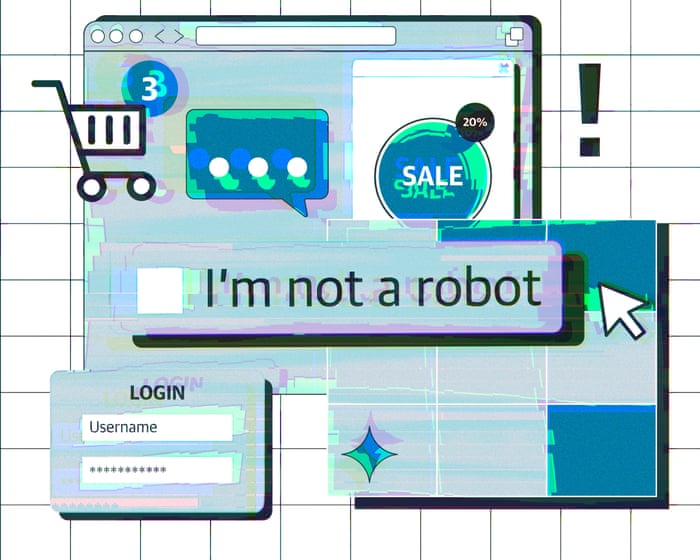
Denken Sie daran, wie viel Zeit wir alle als Spezies damit verbracht haben, Robotern zu beweisen, dass wir keine Roboter sind. Inzwischen haben wir wahrscheinlich Tausende von Jahren damit verschwendet, in einem Captcha-Raster von jemandes Vorgarten jedes Fahrradteil anzuklicken, ein Puzzleteil in ein pixeliges Loch zu schieben oder ein Kästchen anzukreuzen, das sagt "Ich bin kein Roboter", als ob das Internet plötzlich dem Ehrensystem vertrauen würde. Wenn wir jemals so tun wollen, als wären wir Roboter, dann machen wir es auf die altmodische Art: Wir wickeln uns in Alufolie, machen Piep-Boop-Geräusche und schleichen uns in eine feindliche Mondbasis.
Kündigungs-Beschämung
Im Jahr 2026 sollte das Kündigen eines unerwünschten Abonnements genau einen Klick erfordern. Aber das ist oft nicht der Fall. Wenn Sie Glück haben, zwingt Sie das Unternehmen, sich durch eine Reihe zunehmend verzweifelter Seiten zu klicken, die Sie anflehen, nicht zu gehen (eine Pause? Ein Rabatt? Bitte, wir lieben dich!). Aber manchmal – und US-Medienunternehmen sind besonders schuldig – werden Sie gezwungen, eine echte Person anzurufen, nur um zu kündigen. Es ist beschämend.
Warenkorb-Klammern
In einer fortschrittlichen Marktwirtschaft sollten Verbraucher in der Lage sein, einen Kauf vor Abschluss abzubrechen. Vielleicht werden Sie von einem Sale auf eine Website gelockt, verführt, eine teure Yogamatte in Ihren Warenkorb zu legen, und kommen dann zur Besinnung – ich habe keine 140 Pfund übrig! Ich mache nicht mal Yoga! – und werfen Ihr Handy panisch beiseite. Leider beginnt Ihre Tortur gerade erst. Sie müssen sich nun auf mindestens eine Woche zunehmend verzweifelter E-Mails von einem Verkäufer einstellen, der Ihr Geld will. Die erste sagt: "Hoppla! Sie haben etwas in Ihrem Warenkorb gelassen!" Die zweite sagt: "Vergessen Sie nicht die Yogamatte, die Ihnen gefallen hat!" Dann: "Bitte kaufen Sie sie! Ich habe Kinder zu ernähren!" Und schließlich: "Warum hassen Sie mich?" Online-Produkte zu durchstöbern ist wie der Versuch, sich von einem klammernden Partner zu trennen.
ChatschmeicheleiBild in voller Größe anzeigen
'Große Sprachmodelle erreichen Bindung, indem sie fast allem zustimmen, was der Nutzer sagt.' Foto: Von Models gestellt; Raul Ortin/Getty Images
Das ist eine große Sache, weil es reale Konsequenzen hat. Große Sprachmodelle sind darauf ausgelegt, Nutzer zu binden, und das tun sie, indem sie fast allem zustimmen, was der Nutzer sagt. Das lässt den Nutzer sich wertgeschätzt fühlen, kann aber schiefgehen – wie als ChatGPT ein paar meiner Eingabeaufforderungen missverstand und mir sagte, dass das Dekorieren eines Kuchens mit Schinkenglasur "unkonventionell, aber potenziell köstlich" wäre.
Botiquette
Bild in voller Größe anzeigen
'Sprichst du mit einer Person oder einem Bot?' Foto: Von Model gestellt; Olga Rolenko/Getty Images
Manchmal ist der einfachste Weg, ein Kundendienstproblem zu lösen, der Online-Chat. Schließlich bekommen Sie dasselbe Ergebnis wie beim Anrufen, ohne stundenlang in der Warteschleife zu hängen. Aber jetzt kommen diese Chats mit einem nagenden Zweifel: Sprechen Sie mit einem Menschen oder einem Bot? Es ist eine brandneue Form der sozialen Etikette, die wir noch nicht herausgefunden haben. Wenn es eine Person ist, macht es Sinn, auf menschlicher Ebene zu verbinden. Aber bei Bots sind alle Höflichkeiten sinnlos. Wir brauchen dringend einen gemeinsamen Ton, der irgendwo dazwischen liegt – höflich, aber auf den Punkt.
Chattermining
Bild in voller Größe anzeigen
'Hören unsere Geräte immer alles, was wir sagen?' Foto: Von Model gestellt; Israel Sebastian/Getty Images
Ich möchte nicht zu persönlich werden, aber ein Familienmitglied wurde kürzlich sehr krank. Die Familie kam zusammen, um zu besprechen, was zu tun ist, wenn sich die Lage verschlechtert, und jemand schlug vor, einen Alarm-Anhänger zu kaufen, damit man Hilfe rufen kann, wenn man stürzt. Das Gespräch ging weiter, und niemand hat online danach gesucht, aber seitdem sehe ich in jeder Facebook-Anzeige Sturzalarm-Anhänger. Warum passiert das immer wieder? Hören unsere Geräte immer alles, was wir sagen? Und wenn ja, warum? Was haben die Roboter vor?
Login-Wahnsinn
Bild in voller Größe anzeigen
'Passwörter lassen Sie fruchtlos versuchen, sich an eine Zeichenkette aus Und-Zeichen und Semikolons zu erinnern.' Foto: Von Model gestellt; skaman306/Getty Images
Passwörter sind, wie wir wissen, im Allgemeinen eine Qual. Lassen Sie Ihr Telefon ein "starkes Passwort" vorschlagen, und Ihr Laptop erinnert sich nicht daran, sodass Sie feststecken und versuchen, sich an ein Wirrwarr aus Und-Zeichen und Semikolons zu erinnern. Noch schlimmer ist, wenn eine Website ihre Passwortregeln – Großbuchstaben, Zahlen, Sonderzeichen – erst verrät, nachdem Sie bereits einmal gescheitert sind. Sagen Sie uns im Voraus, ob es Zahlen oder Großbuchstaben braucht. Noch besser: Seien Sie spezifisch und sagen Sie einfach, es ist dasselbe Passwort, das wir für alles andere verwenden, aber mit einem Ausrufezeichen am Ende.
Listen-Klette
Bild in voller Größe anzeigen
'E-Mails werden wöchentlich kommen, für jedes Produkt, das Sie je gekauft haben, für immer.' Foto: Von Model gestellt; skynesher/Getty Images
Manchmal ist es völlig sinnvoll, auf der Mailingliste eines Unternehmens zu landen. Wenn die Website, auf der Sie das Muttertagsgeschenk vom letzten Jahr gekauft haben, Sie per E-Mail daran erinnert, dass das diesjährige ansteht, ist das wirklich nützlich. Weniger hilfreich ist es, wenn es nach einem großen einmaligen Kauf passiert. "Danke, dass Sie vor drei Wochen ein neues Sofa gekauft haben", sagt die E-Mail. "Hätten Sie Lust auf ein weiteres? Wir haben einen Sale!" Offensichtlich wollen Sie kein weiteres Sofa – Sie haben gerade erst eines gekauft – und Sie sind nicht begeistert, sie in Ihrem Haus zu stapeln, nur um die Gewinne eines Möbellagers zu steigern. Doch die E-Mails kommen weiterhin wöchentlich, für jedes Produkt, das Sie je gekauft haben, für immer.
Park-Apps
Bild in voller Größe anzeigen
'Es gibt konkurrierende Park-Apps, die zufällig im ganzen Land verteilt sind.' Foto: Von Model gestellt; gentlelight/Getty Images
Das Parken eines Autos war früher einfach. Sie parkten, gingen zum Parkscheinautomaten, warfen ein paar Münzen ein und machten Ihren Tag. Jetzt müssen Sie Ihre Parksitzung oft in einer App registrieren. Und das wäre in Ordnung – sogar praktisch, wenn Sie kein Bargeld haben – gäbe es nicht die Tatsache, dass es konkurrierende Park-Apps gibt, die zufällig im ganzen Land verteilt sind. Sie haben vielleicht RingGo heruntergeladen, aber das hilft nicht, wenn Sie auf einem PayByPhone-Parkplatz landen. Sie müssten Ihr Telefon herausnehmen, ein Signal finden, die App finden, sie herunterladen, Ihr Auto und Ihre Zahlungsdaten registrieren und schließlich bezahlen – während Ihre Kinder an Ihrem Ärmel ziehen, weil sie gleich einen Unfall haben. Politiker, bitte behebt das.
Schranken-Stau
Aus ökologischer Sicht ist das Ende der Papierbahntickets eine gute Sache, da sie jedes Jahr Tonnen von nicht recycelbarem Abfall erzeugen. Aber aus Zeitmanagement-Sicht ist es schrecklich. Jetzt bleiben Sie fast immer hinter jemandem stecken, der hektisch nach einem QR-Code-Ticket oder einer Gesichtserkennungs-Zahlungsmethode auf einem Telefon sucht, das er scheinbar zum ersten Mal in der Hand hält.
Tüten-Frust
Es gibt keinen schnelleren Weg, alt zu klingen, als sich über Selbstbedienungskassen zu beschweren, da es sie seit über 20 Jahren gibt. Trotzdem ist klar, dass sie sich nicht viel verbessert haben. Wenn Sie etwas Leichtes kaufen, wie eine Geburtstagskarte, müssen Sie es oft in den Packbereich knallen, nur damit es erkannt wird. Ein leicht übergewichtiges Bäckereiprodukt kann die Maschine in Panik versetzen. Sie können nicht einmal Calpol kaufen, ohne dass ein müder Verkaufsassistent kommen und einen Knopf drücken muss, der "Käufer sichtbar uralt" sagt. Offensichtlich sind diese Maschinen hier, um zu bleiben. Wäre es zu viel verlangt, dass sie ein bisschen weniger nutzlos sind?
Paket-Updates
Die Menge an Betreuung, die mit der Bestellung eines Pakets online einhergeht, ist ehrlich gesagt unnötig. Sie können Nachrichten über jeden einzelnen Schritt erwarten. Offiziell erhalten Sie die "Wir haben Ihre Bestellung!"-E-Mail, die "Ihre Bestellung ist unterwegs!"-E-Mail, die "Ihre Bestellung hat unser Netzwerk erreicht!"-E-Mail, die "Ihre Bestellung durchläuft unser Netzwerk!"-E-Mail und die "Ihre Bestellung wird heute zugestellt!"-E-Mail. Inoffiziell erhalten Sie auch die "Wir haben die Zustellung versucht!"-E-Mail (mit einem Foto einer Containerecke, die weit von Ihrem Haus entfernt ist) und die E-Mail, die Ihnen sagt, es an einem Depot 20 Minuten entfernt abzuholen.
Stecker-Nostalgie
Ich habe mein Bestes getan, um meine Kinder nicht mit allzu rosigen Erinnerungen an die Vergangenheit zu langweilen, aber sie haben mich dazu getrieben. Wenn ich ein neues elektronisches Gerät kaufe, öffne ich die Verpackung vor ihnen, seufze tief und sage: "Zu meiner Zeit kamen diese mit Steckern." "Echte Stecker, Papa, die man direkt in die Steckdose stecken konnte, ohne im Haus nach einem dreipoligen Stecker mit USB-Adapter am Ende zu suchen?", antworten sie mit großen Augen und kaum verhohlenem Unglauben. "Ja, Kinder", sage ich. "Die Vergangenheit war ein Wunderland."
Schrödingers WLAN
Sie sind im Zug. Sie haben Arbeit aufzuholen. Zum Glück hat der Zug WLAN, also verbinden Sie sich und warten. Und warten. Und warten. Es sagt, Sie sind verbunden, aber es gibt kein Zeichen, dass Ihr Gerät überhaupt weiß, was das Internet ist. In verwirrter Panik aktualisieren Sie die Seite immer wieder. Entweder sind Sie mit einem Signal verbunden, das so schwach ist, dass es praktisch nutzlos ist, oder Sie sind überhaupt nicht verbunden – niemand weiß warum. Es ist entweder völlig nutzlos, oder Ihr Gerät lügt Sie an. Das ist der Kampf eines jeden, der jemals versucht hat, das Internet in einem britischen Zug zu nutzen. Das WLAN existiert und existiert gleichzeitig nicht. Niemand weiß warum.
Form-Vergesslichkeit
Bild in voller Größe anzeigen
'Wenn es funktioniert, kann Autofill Zeit sparen … aber manchmal tut es das nicht.' Foto: Von Model gestellt; Focus Pixel Art/Getty Images
Wenn es funktioniert, erspart Ihnen Autofill das Eintippen Ihrer Daten bei jedem Kauf. Aber manchmal tut es das nicht. Ich bin nicht sicher, warum, aber Google Chrome besteht darauf, dass meine Heimatadresse die registrierte Adresse eines Supermarktmagazins ist, für das ich vor ein paar Jahren freiberuflich gearbeitet habe. Es gibt keine klare Möglichkeit, es zu ändern, und es ist so nervig geworden, dass ich tatsächlich erwäge, dorthin zu ziehen, nur um Zeit bei Deliveroo zu sparen.
Geisel-Software
Bild in voller Größe anzeigen
'Das 70-Pfund-Spiel, das Sie für Ihre 500-Pfund-Konsole gekauft haben, online spielen wollen? Das kostet 7 Pfund im Monat, aus irgendeinem Grund.' Foto: Von Model gestellt; JasonDoiy/Getty Images
Nicht übertrieben, aber das könnte das absolut Schlimmste in der modernen Gesellschaft sein: ein Produkt zu kaufen und dann herauszufinden, dass Sie ein kostenpflichtiges Abonnement benötigen, um es zu nutzen. Eine Video-Türklingel wollen? Das kostet 5 Pfund im Monat. Fitness-Tracker? 30 Pfund im Monat. Zu Hause drucken wollen, auf dem Drucker, den Sie gekauft haben, mit der Tinte, die Sie auch gekauft haben? Mindestens 5 Pfund im Monat. Das 70-Pfund-Spiel, das Sie für Ihre 500-Pfund-Konsole gekauft haben, online spielen wollen? Das kostet 7 Pfund im Monat, aus irgendeinem Grund. Jeder Kauf heutzutage fühlt sich an, als würde man sich bei den schlechtesten Unternehmen der Welt für einen Schutzgelderpressungsring anmelden. Gott, ich hasse es.
Haben Sie eine Meinung zu den in diesem Artikel angesprochenen Themen? Wenn Sie eine Antwort von bis zu 300 Wörtern per E-Mail einreichen möchten, die in unserer Leserbriefsektion veröffentlicht werden soll, klicken Sie bitte hier.
Häufig gestellte Fragen
Hier ist eine Liste von FAQs basierend auf den Tech-Begriffen Dickovers, Baggravation und Botiquette, geschrieben in einem natürlichen, hilfreichen Ton
Allgemeine Definitionen
F: Was genau ist ein Dickover?
A: Ein Dickover ist der Moment, in dem Sie merken, dass Sie gehackt wurden, aber der Hacker nichts gestohlen oder Schaden verursacht hat – er hat nur Ihr Profilbild geändert, seltsame E-Mails an Ihren Chef geschickt oder eine merkwürdige Suchhistorie hinterlassen. Es ist ein digitaler Streich ohne finanziellen Gewinn, nur maximaler Ärger.
F: Ist Dickover ein Virus?
A: Nicht unbedingt. Es ist normalerweise das Ergebnis eines schwachen Passworts oder einer Phishing-Abzocke. Der Virus-Teil ist nur der Sinn für Humor des Hackers. Der Schaden betrifft meist Ihren Ruf und Ihren Verstand.
F: Was bedeutet Baggravation?
A: Baggravation ist der spezifische Stress und die Wut, die Sie fühlen, wenn Sie mit einer kaputten, fehlerhaften oder schlecht gestalteten App zu tun haben. Denken Sie daran als das emotionale Gepäck, das mit Technologie kommt, die sich weigert, so zu funktionieren, wie sie sollte.
F: Und was ist Botiquette?
A: Botiquette ist der ungeschriebene Regelkatalog dafür, wie Menschen mit KI-Chatbots und virtuellen Assistenten interagieren sollten. Es umfasst Dinge wie Höflichkeit, klare Formulierung von Fragen und das Wissen, wann man aufgeben und nach einem Menschen fragen sollte.
Anfängerfragen
F: Mein Freund sagte, ich hätte ihn gedickovered. Habe ich etwas falsch gemacht?
A: Ja, versehentlich. Ein Dickover passiert normalerweise, wenn Sie auf einen dubiosen Link klicken und Ihr Konto übernommen wird. Sie haben es nicht absichtlich getan, aber Ihr Freund macht Ihnen Vorwürfe für den seltsamen Spam, den er von Ihrem Konto bekommen hat. Ändern Sie Ihr Passwort und entschuldigen Sie sich.
F: Wie vermeide ich Baggravation mit meiner Banking-App?
A: Stellen Sie zuerst sicher, dass die App aktualisiert ist. Wenn sie immer noch zickt, schließen Sie sie vollständig und öffnen Sie sie erneut. Wenn sie immer noch abstürzt, liegt es nicht an Ihnen – es liegt an der App. Atmen Sie tief durch, nutzen Sie stattdessen die Website-Version und schreiben Sie später eine vernichtende Bewertung.
F: Ist es unhöflich, zu einem Chatbot "bitte" zu sagen?