Iran's aging tanker fleet poses a growing threat to marine life, warn experts.

Iran's aging tanker fleet poses a growing threat to marine life, warn experts.

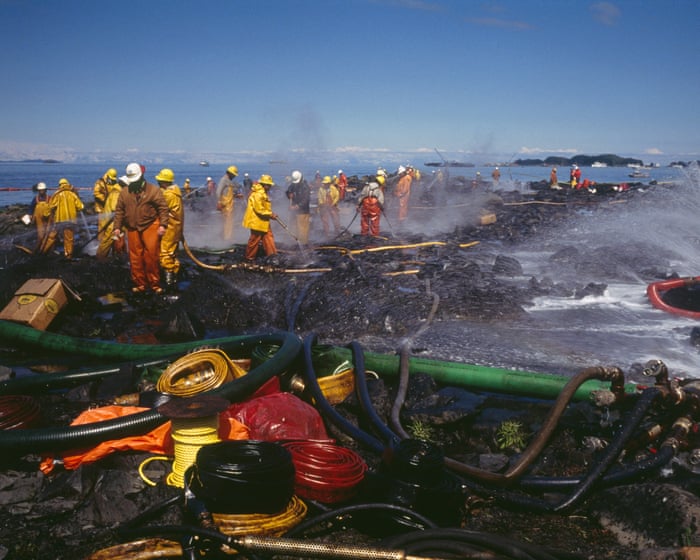
Maritime intelligence analysts warn that aging oil tankers in Iran’s sanctions-evading shadow fleet are a “ticking time bomb,” and a catastrophic environmental disaster is only a matter of time. They caution that such an oil spill could far exceed the 1989 Exxon Valdez disaster, which released 37,000 tonnes of crude oil into the sea.

Pole Star Global analyzed 29 Iranian vessels that went dark by turning off their satellite identification systems after the U.S. seized a Venezuelan tanker in December. The analysts found half were older than the recommended 20-year safe service life. Operating in the shadows, these vessels are likely poorly maintained and may not meet international safety standards.

In recent years, more than 50 incidents involving shadow tankers worldwide have been reported, ranging from collisions to oil spills. Between 2021 and 2024, nine oil slicks from Thailand to Italy to Mexico were linked to Russian dark fleet vessels. However, Iran’s shadow fleet has received little scrutiny.

The analysis categorized seven of the 29 vessels as “extreme risk,” being over 25 years old, with three exceeding 30 years. Five vessels were both aging and classified as “very large crude carriers,” capable of holding about 300,000 tonnes of oil.

Analysts note that shadow fleet tankers are typically uninsured, meaning cleanup costs would fall on the country where a spill occurs. Recent estimates put such costs between $860 million and $1.6 billion.

The global dark fleet is estimated to include many hundreds of vessels, comprising up to 17% of the world’s tanker fleet. Russia has the largest shadow fleet, and in December 2024, two aging Russian tankers caused a major spill in the Black Sea after one sank and the other ran aground.

Saleem Khan, head of data and analytics at Pole Star Global, stated that Iran’s shadow fleet includes some of the oldest oil tankers seen anywhere, with many far beyond their safe lifecycle. “It’s like a ticking time bomb,” he said, adding it is a “matter of time” before one runs aground, breaks up, or an explosion leads to a major spill. “They’re carrying oil, oftentimes pressurized, and there’s a ton of machinery on board that has to operate perfectly to avoid issues like a fire or explosion,” Khan explained. “The scale of a potential disaster could be multiples of the Exxon Valdez. But it’s a very lucrative trade, so participants have a vested interest in keeping it going.”

Mark Spalding, president of the Ocean Foundation, commented, “Iran’s shadow fleet represents a significant and growing environmental threat. The question is not whether a major incident will occur, but when and which coastal communities and marine ecosystems will pay the price for a shipping system designed to evade accountability. We are deeply concerned that the environmental dimension of shadow fleet operations has received insufficient attention.”

The Iranian government did not respond to a request for comment.

Shadow fleet vessels use deceptive practices such as false flags, false ownership, and blocked or spoofed AIS satellite tracking to transport sanctioned goods. The sanctioned oil trade is estimated to be worth billions of dollars annually. French President Emmanuel Macron said in October that Russia’s shadow fleet trade is worth €30 billion a year, funding 30-40% of the war in Ukraine.

The U.S. has been the most active in targeting shadow fleet tankers, seizing Russian and Venezuelan-linked vessels in recent months. France, Germany, Estonia, and others have also physically intercepted such ships.Ships from the dark fleet have not been seized by the UK, despite the English Channel being a shipping bottleneck that forces vessels through national territorial waters. However, last week the UK threatened to seize a Russian-linked shadow fleet tanker. In January, the U.S., with British assistance, pursued the Russian-linked Marinera tanker from the Caribbean to the North Atlantic, seizing it between Scotland and Iceland.

An analysis by Pole Star Global of Iran’s shadow fleet tankers concluded: “The combination of advanced vessel age, lack of Western insurance, and reduced maintenance standards under sanctions creates an elevated risk of catastrophic environmental damage.” The report warned that a single incident involving one of the larger tankers could lead to toxic oil slicks covering thousands of square miles, mass mortality of marine life, contamination of 500–1,000 miles or more of coastline, and severe impacts on human health and livelihoods.

The report recommended enhanced satellite monitoring to track these vessels and stronger port inspections, including refusing entry to ships that cannot prove their safety. It also supported sanctions against the beneficial owners of high-risk vessels. However, Khan noted, “There’s definitely no coordinated international effort.”

The International Maritime Organization (IMO) sets the regulatory framework enforced by member states. A spokesperson stated: “Ships that do not comply with IMO safety and environmental regulations or that operate without transparency put seafarers, the marine environment and global trade at risk.” The IMO’s legal committee is reviewing existing international rules to see how they can be used more effectively to stop illegal activities and is developing clearer guidance on ship registration, focusing on better background checks, greater transparency, and stronger cooperation between countries to prevent fake registries and false flags.

A UK government spokesperson said: “The UK is committed to disrupting and deterring shadow fleet vessels. We continue to take robust action, including requesting proof of insurance and sanctioning suspected shadow fleet vessels transiting the English Channel. Since October 2024, the UK has challenged around 600 suspected shadow fleet vessels using this system.”

Frequently Asked Questions
Of course Here is a list of FAQs about the threat posed by Irans aging tanker fleet designed to be clear and accessible

BeginnerLevel Questions

1 Whats the basic problem with Irans tanker fleet
Many of the oil tankers used by Iran are very old poorly maintained and often operate without proper insurance or international safety inspections This makes them much more likely to have accidents leak oil or even sink

2 Why are old tankers more dangerous
Like an old car metal on ships weakens and corrodes over time Systems fail more often An aging tanker is more prone to structural cracks engine failure and spills especially in rough seas

3 What kind of threat do they pose to marine life
A major oil spill is the biggest threat Oil coats birds and mammals poisoning them and destroying their insulation It smothers fish coral reefs and shellfish and can poison the entire food chain for decades

4 Where is this mainly happening
This is a global concern but the highestrisk areas are the busy and sensitive waterways where these tankers frequently sail such as the Strait of Hormuz the Persian Gulf the Red Sea and key Asian routes

5 Why doesnt Iran just use newer safer ships
Due to international sanctions Iran has severe difficulty buying new tankers or spare parts from major international shipyards They are forced to rely on and patch up their existing old fleet

Advanced Detailed Questions

6 What specific risks do shadow fleets and dark operations create
Many of these tankers operate in a shadow fleetthey turn off their transponders to hide their movements and circumvent sanctions This makes them invisible to coastal authorities increasing collision risk and making spill response planning impossible

7 Beyond spills what other environmental dangers exist
These tankers often engage in shiptoship transfers of oil far out at sea a risky operation that can easily cause spills They also use flagging services from countries with lax regulations avoiding strict environmental and safety rules

8 How does the lack of PI Insurance make things worse
Legitimate tankers carry Protection Indemnity insurance to cover the immense costs of cleanup and