Στη Βουδαπέστη σήμερα, τα καταστήματα bubble tea και τα μέρη που σερβίρουν πλήρες brunch όλη την ημέρα — δημοφιλή σκηνικά για αναρτήσεις στα μέσα κοινωνικής δικτύωσης — είναι τόσο κοινά όσο οι ιστορικές καφετέριες και οι ουρές τουριστών που περιμένουν για κρουαζιέρες στον Δούναβη. Αλλά υπάρχει κάτι νέο στη μοναδική μονοκομματική πολιτεία της ΕΕ: η πολιτική επέστρεψε.
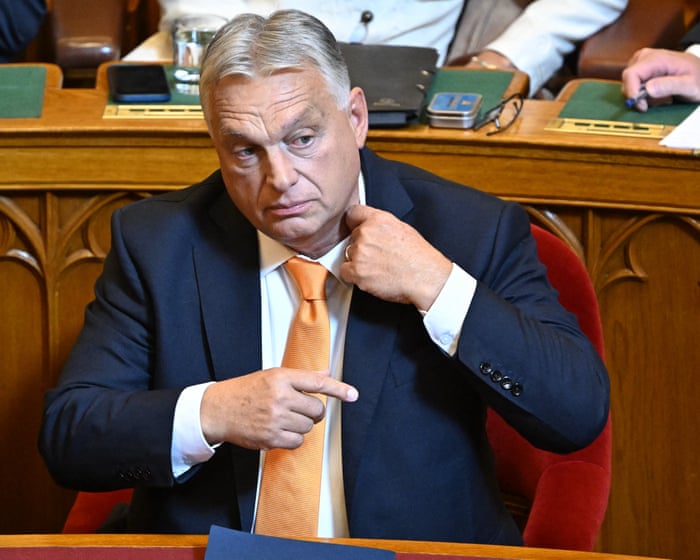
Για 15 χρόνια, οι εκλογικές νίκες του Βίκτορ Ορμπάν φαίνονταν αναπόφευκτες. Τώρα, έχει εμφανιστεί ένας αξιόπιστος αντίπαλος. Ο Πέτερ Μάγκιαρ δεν είναι σωτήρας — στην πραγματικότητα, προέρχεται από το ίδιο κόμμα του Ορμπάν, τη Fidesz. Αλλά οι δημοσκοπήσεις υποδεικνύουν ότι το σχετικά νέο, φιλοδυτικό κίνημά του, Τίσα, θα μπορούσε να νικήσει τον Ορμπάν στις εκλογές του Απριλίου.
Αυτό δεν θα είχε σημασία μόνο για τους Ούγγρους. Μετά από χρόνια που ο Ορμπάν μπλοκάρει πολιτικές της ΕΕ, το αποτέλεσμα θα μπορούσε να διαμορφώσει το μέλλον της Ευρωπαϊκής Ένωσης και της δημοκρατίας σε όλη την ήπειρο.
Η Ουγγαρία είναι αυτό που οι αναλυτές ονομάζουν «πληροφοριακή αυταρχία». Αντί να φυλακίζει τους επικριτές, ο Ορμπάν χρησιμοποιεί εξελιγμένες τακτικές για να φιμώσει την αντιπολίτευση και να παραμείνει στην εξουσία. Κεντρική στη στρατηγική του είναι η προώθηση λαϊκιστικών αφηγημάτων που στρέφουν την κοινή γνώμη κατά των «φιλελεύθερων ελίτ». Πολλοί υποστηρίζουν ότι αυτό έχει υπονομεύσει τη δημοκρατία και το κράτος δικαίου, τόσο στην Ουγγαρία όσο και εκτός αυτής.
Το εγχειρίδιο του Ορμπάν — η αποδυνάμωση των ανεξάρτητων μέσων ενημέρωσης, η τροφοδότηση πολιτισμικών πολέμων και η δήθεν διάβρωση των συνταγματικών ελέγχων — μπορεί να ενέπνευσε τις υποτιθέμενες επιθέσεις του Ντόναλντ Τραμπ κατά της αμερικανικής δημοκρατίας. Ένας πρώτος πρέσβης των ΗΠΑ στην Ουγγαρία πρόσφατα έγραψε: «Το παρακολούθησα να συμβαίνει στην Ουγγαρία, τώρα συμβαίνει εδώ». Ένα νέο ντοκιμαντέρ για τον Ορμπάν συνιστάται στους Αμερικανούς για τις εντυπωσιακές ομοιότητες με τις μεθόδους του Τραμπ.
Αυτό το στυλ πολιτικής επηρεάζει επίσης ακροδεξιά κινήματα σε όλη την Ευρώπη. Ο Αντρέι Μπάμπις, σύμμαχος του Ορμπάν και της Γαλλίδας Μαρίν Λε Πεν, αναμένεται να επιστρέψει στην εξουσία στην Τσεχία. Η Πολωνία πρόσφατα εξέλεξε έναν εθνικιστή πρόεδρο, και στο Ηνωμένο Βασίλειο, το κόμμα Μεταρρύθμιση του Νάιτζελ Φάρατζ τραβά την προσοχή. Πολλοί βλέπουν τον Ορμπανισμό ως τον κοινό παρονομαστή.
Ο Πέτερ Μάγκιαρ, ηγέτης του κόμματος Τίσα, είναι πλέον ο ισχυρότερος αντίπαλος του Ορμπάν εδώ και χρόνια. Εν τω μεταξύ, το Κεντρικοευρωπαϊκό Πανεπιστήμιο αποτελεί σύμβολο του ρόλου της Ουγγαρίας ως πεδίου δοκιμών για την αναστροφή της δημοκρατίας. Κάποτε φάρος ακαδημαϊκής ελευθερίας, η πανεπιστημιούπολή του στη Βουδαπέστη βρίσκεται τώρα άδεια, εξαναγκασμένη να φύγει από έναν νόμο που ψήφισε ο Ορμπάν το 2017 με στόχο τον φορέα που σχετίζεται με τον Τζορτζ Σόρος.
Την περασμένη εβδομάδα, οι πρώην αίθουσες διαλέξεων του πανεπιστημίου ήταν και πάλι γεμάτες καθώς ο προοδευτικός δήμαρχος της Βουδαπέστης, Γκέργκεϊ Καράτσονι, διοργάνωσε ένα «δημοκρατικό φόρουμ». Παρακίνησε τους Ευρωπαίους πολιτικούς να αντιμετωπίσουν τα αφηγήματα που ωθούν τους ανθρώπους προς τους λαϊκιστές. Το αν οι Ούγγροι είναι έτοιμοι για μη λαϊκιστικές λύσεις παραμένει αβέβαιο.
Σύμφωνα με την πρώην πολιτικός και ακαδημαϊκό Ζουζάννα Σελένι, η «κούραση Ορμπάν» είναι ευρέως διαδεδομένη, ακόμα και στη αγροτική του βάση στήριξης. Για τους περισσότερους ανθρώπους, τα πιεστικά ζητήματα είναι οικονομικά: οι υψηλές τιμές τροφίμων, η υγειονομική περίθαλψη και η συστημική διαφθορά. Ο Ορμπάν θεωρείται όλο και περισσότερο αποσυνδεδεμένος, με ένα ολοένα και μεγαλύτερο χάσμα ανάμεσα στη ρητορική του, που τροφοδοτείται από θεωρίες συνωμοσίας και είναι αντί-EU, και τις καθημερινές δυσκολίες των συνηθισμένων Ούγγρων.
Παρόλο που η αντίδραση εναντίον του συστήματος του Ορμπάν που λειτουργεί από τους φίλους του δεν είναι καινούρια, η ενέργεια της αντιπολίτευσης είναι. Όπως είπε ένας παρατηρητής, «Είχαμε μια κρίση ηγεσίας για 15 χρόνια, και αυτό τελείωσε». «Αυτό είναι που δίνει μια ευκαιρία στον Μάγκιαρ», είπε η Σελένι.
Η Καταλίν Τσεχ, βουλευτής της αντιπολίτευσης, το κόμμα της οποίας αποφάσισε να μην αμφισβητήσει τις εκλογές για να μεγιστοποιήσει τις πιθανότητες ανατροπής του Ορμπάν, συμφωνεί ότι οι πολιτικές κεντροδεξιάς του Μάγκιαρ είναι ασαφείς. «Αλλά μοιραζόμαστε μια ισχυρή πεποίθηση στην αποκατάσταση της δημοκρατίας και στην κατάληψη της συστημικής διαφθοράς», είπε.
Αποδυναμωμένος… αλλά μην τον διαγράφετε
Ο Ορμπάν έχει κερδίσει τέσσερις συνεχείς εκλογές με συντριπτική πλειοψηφία. Η υποτίμησή του θα ήταν ανόητη.
Ωστόσο, ο Κρέκο, διευθυντής του ανεξάρτητου ερευνητικού φροντιστηρίου Political Capital, βλέπει μια ρωγμή στην «ολική αυτοπεποίθηση» που για πολύ καιρό χαρακτήριζε το καθεστώς.
Η απόπειρα του Ορμπάν να απαγορεύσει την Πράιντ της Βουδαπέστης τον Ιούνιο απέδωσε αντίθετα αποτελέσματα. Η πορεία αποδείχθηκε η μεγαλύτερη ποτέ, εν μέρει χάρη στον Καράτσονι — μια μαζική επίδειξη σημαιών ουράνιου τόξου και αψήφισης της κυβέρνησης.
Ο Κρέκο επισημαίνει επίσης ένα πταίσμα της Fidesz σχετικά με έναν «ψυχρό, δρακόντειο» νόμο που θα απαγόρευε οργανισμούς με οποιεσδήποτε ξένες συνδέσεις. Ο νόμος έχει τεθεί σε αναμονή, πιθανώς λόγω εσωτερικών ανησυχιών της Fidesz ότι θα μπορούσε να απέδωσε αντίθετα αποτελέσματα.
«Αυτό δείχνει ότι η κυβέρνηση είναι πιο αδύναμη από πριν· η οικονομική κατάσταση είναι άσχημη· στις δημοσκοπήσεις υστερεί έναντι της Τίσα· και διπλωματικά εντός της ΕΕ, η έλλειψη συμμάχων της έχει γίνει αρκετά απελπιστική», είπε ο Κρέκο.
Ωστόσο, ο Ορμπάν διαθέτει ένα ισχυρό οπλοστάσιο. Αναμένεται μια σειρά από γενναιόδωρα κίνητρα που χρηματοδοτούνται από την κυβέρνηση, όπως επιπλέον πληρωμές για συνταξιούχους και φορολογικές ελαφρύνσεις για μητέρες με δύο ή περισσότερα παιδιά.
«Το 2022, η Fidesz ξόδεψε το 6% του ΑΕΠ της Ουγγαρίας σε παροχές που οι άνθρωποι έλαβαν πριν από τις εκλογές. Πολλές γυναίκες και κανείς κάτω των 25 δεν πληρώνει πλέον φόρο εισοδήματος. Μπορούμε να περιμένουμε περισσότερα από τα ίδια αυτή τη φορά», είπε η Σελένι.
Οι εκστρατείες που δαιμονοποιούν τους «εχθρούς του λαού» για να δυσφημίσουν την αντιπολίτευση είναι μια άλλη δοκιμασμένη μέθοδος, είπε η Σελένι. Στις εκλογές του 2018, τρομοκρατικές φοβίες προκλήθηκαν συνδέοντας τους πρόσφυγες με την τρομοκρατία. Αυτή τη φορά, η εστίαση είναι στους Ουκρανούς· το πρόσωπο του Βολοντίμιρ Ζελένσκι εμφανίζεται δίπλα σε αυτό της Ούρσουλα φον ντερ Λάιεν σε αφίσες ως εχθροί. Ο Μάγκιαρ απεικονίζεται απίθανα ως πράκτορας του Κιέβου.
«Η προσέγγιση του Ορμπάν βασίζεται εξ ολοκλήρου σε αφηγήματα, αφήγηση, απειλές και συναισθήματα», είπε η Σελένι. «Ενδιαφέρον, η μετανάστευση δεν συζητιέται πλέον. Μέχρι το 2019 ήταν ένα μη ζήτημα γιατί, φυσικά, η Ουγγαρία χρειάζεται μετανάστες». Κρατικοί φορείς έχουν ήσυχα προσλάβει εκατοντάδες χιλιάδες μετανάστες από τις Φιλιππίνες και το Βιετνάμ για να καλύψουν κενές θέσεις εργασίας.
Παιχνίδι με drone
Οι ζαλιφέρες γεωπολιτικές ενέργειες του Ορμπάν — που διατηρεί φιλίες με τον Τραμπ, το Κρεμλίνο και την Κίνα ταυτόχρονα — θα μπορούσαν είτε να απέδωσαν αντίθετα αποτελέσματα είτε να τον βοηθήσουν να παραμείνει στην εξουσία.
Η Ουγγαρία είναι μέλος του ΝΑΤΟ. Ρωσικές στρατιωτικές προκλήσεις, όπως η εισβολή ρωσικών μαχητικών αεροσκαφών στον εναέριο χώρο της Εσθονίας, θα μπορούσαν να καταστήσουν την εγγύτητα του Ορμπάν με τον Πούτιν δύσκολο να υπερασπιστεί. Ακόμα και ο Τραμπ λέει τώρα ότι το ΝΑΤΟ πρέπει να καταρρίψει ρωσικά αεροσκάφη.
Μερικοί Ούγγροι, συμπεριλαμβανομένου του Καράτσονι, θέλουν να τελειώσει η αμφισημία του Ορμπάν απέναντι στη Ρωσία. «Οι προπάππους μου απήχθησαν…Πολλοί Ούγγροι απήχθησαν σε στρατόπεδα καταναγκαστικής εργασίας από Ρώσους στρατιώτες και ποτέ δεν επέστρεψαν ζωντανοί. Τέτοιες ιστορίες είναι βαθιά χαραγμένες στην ουγγρική ψυχή», είπε.
Εν τω μεταξύ, οι ενεργειακές συμφωνίες συνεχίζουν να εξασφαλίζουν ροή φθηνής ρωσικής πετρελαίου και φυσικού αερίου για τους ουγγρικούς καταναλωτές — τουλάχιστον για τώρα.
Ο Τραμπ μπορεί να είναι προσεκτικός για τις σχέσεις της Ουγγαρίας με την Κίνα, αλλά η φλερταρίσματα του Ορμπάν με το Πεκίνο εξασφαλίζει επενδύσεις για τη χώρα. Σε αντάλλαγμα, όπως σημείωσε η Καταλίν Τσεχ, «η Κίνα κερδίζει έναν Δούρειο Ίππο εντός της Ευρωπαϊκής Ένωσης».
### Η Μάχη για τον Έλεγχο του Αφηγήματος
Στα στενά δωμάτια υπογείου του Οίκου του Τρόμου στη Βουδαπέστη — όπου οι επισκέπτες παρουσιάζονται με την έκδοση της ουγγρικής ιστορίας του 20ού αιώνα που εγκρίνεται από τη Fidesz — ένα βίντεο παίζει σε επανάληψη. Δείχνει έναν νεότερο, πιο αδύνατο Ορμπάν να εκφωνεί μια ομιλία για τα δεινά των ξένων εισβολέων σε έναν ενθουσιώδη, χειροκροτώντα κοινό.
Η Σελένι γνώριζε καλά τον Ορμπάν τη δεκαετία του 1990, όταν και οι δύο ήταν μέρος της πρώτης ηγεσίας της Fidesz και το κόμμα κλίνει προς το φιλελεύθερο κέντρο. Έφυγε καθώς οδήγησε το κόμμα προς πιο ριζοσπαστικές θέσεις, αλλά θυμάται την αντίδρασή του όταν έχασε τις εκλογές του 2002. «Τότε ήταν που θύμωσε πολύ. Πίστευε ότι η ήττα ήταν άδικ