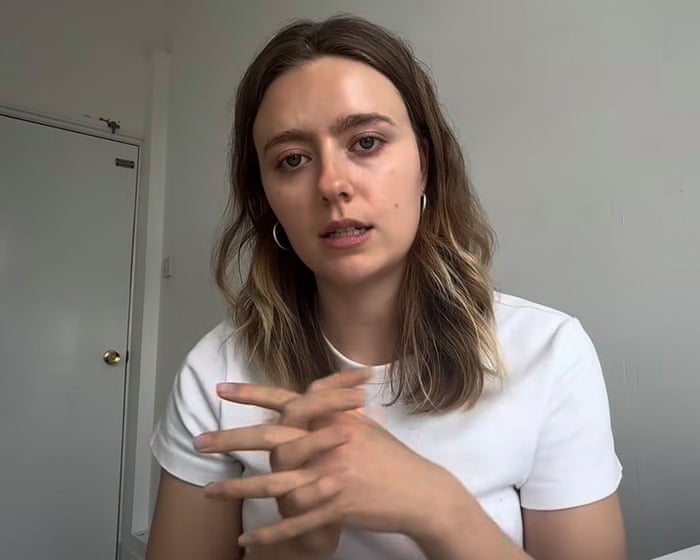
On Tess Lavanda’s YouTube channel, one video stands out with far more views than the rest. Titled “I don’t have any friends,” it has been watched over half a million times since she posted it a month ago. On Instagram, she has shared dozens of reels with titles like “I turned 22 alone,” “Living alone in London,” and “Feeling alone this summer is OK,” each pulling in thousands of views and hundreds of comments, many from people who feel the same way.
A quick search for terms like “solomaxxing,” “loneliness influencer,” and “no friends aesthetic” turns up hundreds of videos and posts from people—many of them teenagers and young adults—talking about what life is like without friends.
“I think people feel relieved it’s finally being spoken about,” says Lavanda, 22. “No one felt brave enough to talk about it because there’s this culture where people think being alone is embarrassing and wrong.”
New research from the Institute for Public Policy Research, released this week, found that the number of young people in England with no close friends has risen fivefold since 2014, now standing at one in 20. A growing number also say they’re unhappy with the friends they do have.
Lavanda says: “I think there’s a lack of drive for people to go out and meet others, and when you do go out, people are on their phones, so it’s harder to approach them.”
She has always struggled to make friends, but it was only during the pandemic that “that lack of genuine friendship really hit” and she started to feel isolated. “I had no one to talk to, and I went into quite a dark place,” she says.
Then one night, as she was about to head out alone feeling “so scared and awful,” she picked up her camera and started talking.
Lavanda says: “I had no intention of posting it. It was purely a video for myself, about how I was feeling, to try and hype myself up, really. But then I thought maybe this will help someone, so I posted it.
“I fully expected to be judged and bullied, but the response was overwhelmingly positive. People were sharing their own stories, and I realized that so many people feel exactly the same way.”
She notes there’s a growing trend to make solo life seem “aesthetic or romanticized,” but her videos are more about showing people without friends that they’re not alone. “I think people take comfort in the fact there’s now a voice on this topic,” she says. “It’s more important to just be honest and speak up.”
There’s been growing discussion about why young people today report having fewer friends than previous generations—a mix of social media, mental health issues, the Covid pandemic, and financial instability are often cited.
Pamela Qualter, the UK’s leading scientific expert on child and adolescent loneliness, says there are no simple answers. But it’s clear that, as a society, we’ve stripped away places where young people can practice basic social skills like saying “hello.”
“We’re really lacking those very simple conversations you have each day with someone you just bump into,” she says. “More people are working from home, and people have less disposable income at a time when there are very few free or cheap places for people to come together.”
Qualter says it’s these “weak ties”—small interactions with acquaintances—that form the building blocks and social skills that can grow into solid friendships.
But she stresses there isn’t much evidence to suggest young people are actually getting lonelier: those aged 14 to 24 report the highest levels of loneliness in the UK, but thatThis has always been the case. “Maybe our expectations of friendships are changing. Maybe those with fewer close friends are happy with that,” she says.
However, there is also evidence that young people are becoming more dissatisfied with the friendships they do have. Jodie-Leigh Foster, a training and development officer at UK Youth, teaches youth workers about loneliness and isolation among young people, as well as helping teenagers start their own projects to address the issue.
She says many young people struggle with the quality of their friendships. “These are friendships that often happen on social media and in group chats, which can quickly turn into bullying and harassment,” she says. “That leads to them feeling isolated and withdrawn.”
Money is also often a problem: some young people said they couldn’t afford transport to see friends outside of school. Others find large, crowded spaces difficult, especially since the pandemic, which has increased anxiety levels.
Foster says: “People assume that being young means a carefree time in life, with the whole world at your fingertips. But for some young people, that’s actually overwhelming and intimidating. It’s a tough time to be young.”
Frequently Asked Questions
Here is a list of FAQs addressing the topic of why young people today have fewer friends written in a natural tone with clear answers
General Definition Questions
1 Is it actually true that young people have fewer friends now or is it just a stereotype
Its true based on several major studies Surveys show that the number of Americans who say they have close friends has dropped significantly over the past 30 years Young adults are the most likely to report feeling lonely and having fewer close confidants than previous generations did at the same age
2 What counts as a friend in these conversations
Usually it means a close or best friendsomeone you can confide in call for emotional support or hang out with oneonone Its not about counting followers or mutuals on social media its about real reciprocal connection
3 Does fewer friends automatically mean they are lonelier
Not always but often Some young people genuinely prefer a smaller highquality circle and feel perfectly content However the data shows a simultaneous rise in reported loneliness and depression which suggests that for many this reduction isnt a choice but a side effect of other life changes
Causes Why Questions
4 Is social media to blame for this
Its a major factor but not the only one Social media often replaces deeper inperson interactions with light ones It also creates a comparison trap and can lead to passive scrolling instead of active planning However its a tool the problem is how it displaces realworld time not the apps themselves
5 Why are they so busy if they have fewer commitments than previous generations
Its a different kind of busy Many are overscheduled with school extracurriculars and parttime jobs to build a résumé Unlike the past where kids had unstructured neighborhood time to just hang out todays schedule is often optimized for productivity leaving little spontaneous time for friendship maintenance
6 Did the COVID19 pandemic cause this
It accelerated an existing trend Lockdowns forced social interactions online for a year or more