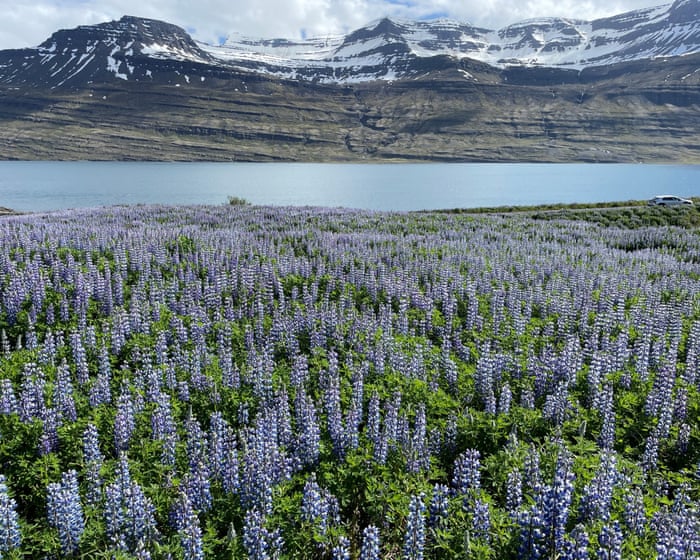
It was only when vast stretches of Iceland began turning purple that authorities realized their mistake. By then, it was too late. The Nootka lupin, originally from Alaska, had blanketed fjord slopes, crept over mountain peaks, and spread across lava fields, grasslands, and protected areas.
Since its arrival in the 1940s, it has unintentionally become a national symbol. Every June and July, crowds of tourists and locals flock to the expanding fields to take photos, captivated by the delicate cone-shaped flowers that now cover much of the North Atlantic island.
Supporters argue the flower has helped restore plant life over time. “Tourists love it. They even adjust their travel dates to see the lupins in bloom. The flowers have become part of Iceland’s summer identity,” says Leszek Nowakowski, a photographer living near Reykjavik.
“When people visit a waterfall or a glacier, they want to be photographed surrounded by the flowers. It makes the scene look epic. I once had a client who wanted me to capture his marriage proposal in a lupin field with a waterfall in the background,” he adds.
But despite the summer photo frenzy, Icelanders are split over the flowers—and scientists are growing more worried about the threat they pose.
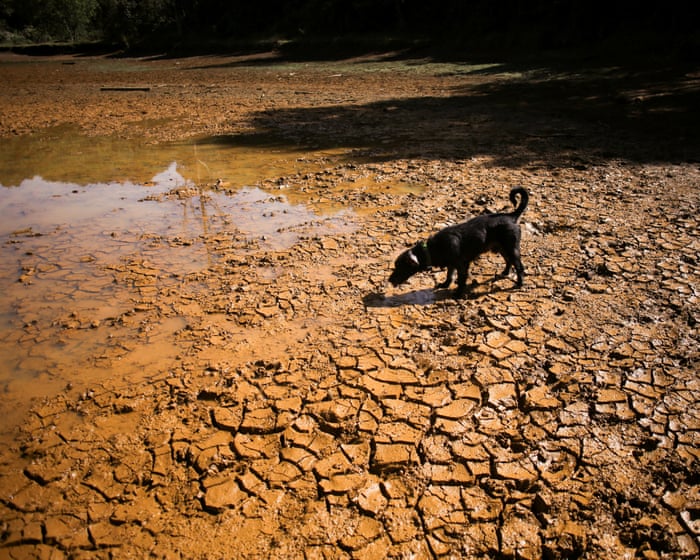
The lupins were originally brought in to stabilize Iceland’s dark volcanic soil, which was being stripped away by fierce winds and rain each year—a problem that persists today, with two-fifths of the land now considered significantly degraded.
The idea for the purple-blue flowers came from Håkon Bjarnason, Iceland’s chief forester after World War II, who had seen them on a trip to Alaska. He believed the plant could prevent erosion by enriching the soil and adding nitrogen. Many hoped it would eventually improve soil quality enough to allow the island’s forests to regrow.
Today, most Icelandic scientists agree the experiment has gone too far. According to the latest satellite data from 2017, lupins cover only 0.3% of Iceland, but they are classified as invasive and continue to spread rapidly without human help, often crowding out native plants. Scientists predict their coverage could triple by the next assessment in 2027, accelerated by a warming climate. One study estimates the species might eventually cover nearly one-sixth of the country.
“It’s like fixing a toothache with a rock. It might work, but you’ll probably damage a lot of other things in the process,” says plant ecologist Guðrún Óskarsdóttir.
“The story of the lupin in Iceland is one of good intentions and unexpected consequences,” explains Pawel Wasowicz, director of botany at the Natural Science Institute. “Back in 1945, no one knew about invasive species—the term didn’t even exist. No one was thinking about climate change. You could pick up free seed packets at gas stations to spread the plant. That’s how the invasion began. They thought it was a cure-all, but it has spread much farther than anyone imagined.” Currently, there are no major national efforts by Icelandic authorities to control its spread.
Still, many Icelanders have grown fond of the plant and the vibrant summer color it brings. Lupin fields have become a popular backdrop for wedding photos taken in the midnight sun. Some have even formed Facebook groups to oppose government control measures, celebrating the flower’s beauty and vowing to help it spread further.
“Because it’s so beautiful, tourism companies often feature it in their advertisements for Iceland,” notes Guðrún Óskarsdóttir.A scientist working in eastern Iceland is studying the impacts of the lupin plant. In areas covered by lupins, the soil is looser compared to places where native plants grow.
Supporters of the lupin argue it has effectively helped restore plant cover over time, just as Bjarnason intended when he brought it back from Alaska. When the Vikings arrived in the ninth century, up to 40% of Iceland was forested, but more than a thousand years of deforestation and sheep farming led to significant desertification. Advocates believe the lupin is helping reverse this. However, Óskarsdóttir says the issue is more complicated.
“Revegetating land with lupins is like fixing a toothache with a rock. It might work, but you’ll likely damage a lot of other things that weren’t damaged to begin with,” she explains. In some mountainous areas, the spread of lupins at the expense of native plants has been linked to landslides, partly due to changes in soil strength.
In southern Iceland, where lupins were first sown, the moss layer beneath the flowers eventually grew so thick that the lupins could no longer reproduce, allowing native plants to return. But scientists say this will only happen in certain parts of Iceland, meaning lupins will continue to spread and dominate elsewhere. For now, researchers believe it’s too late to eradicate the plant. Instead, the best approach may be to prevent it from spreading into the most biodiverse and sensitive areas.
“It won’t crash. The number of lupins will just peak and then level off,” says Wasowicz. “The question probably isn’t whether it’s good or bad. When you see the lupins in June, they’re truly beautiful. But how much change are you willing to accept? And what comes next? That’s the problem.”
Frequently Asked Questions
Of course Here is a list of FAQs about the purple flowers in Iceland designed to answer questions from curious travelers to concerned ecologists
General Beginner Questions
1 What are these purple flowers everyone is posting from Iceland
They are Nootka lupine a flowering plant originally from North America
2 Why were they brought to Iceland in the first place
They were intentionally introduced in the 1940s and 50s to combat severe soil erosion and add nitrogen to the nutrientpoor volcanic soil helping other plants grow
3 Where can I see them in Iceland
They are now widespread but some of the most famous and dense displays are along the southern coast particularly around the Skaftafell area and the Vík region
4 When is the best time to see the lupine fields
The peak bloom is typically from midJune to midJuly though this can vary slightly with weather conditions
Environmental Impact The Crisis
5 If they help the soil why are they now a problem
They grew too well The lupines spread aggressively outcompeting and crowding out native Icelandic mosses wildflowers and lowgrowing shrubs that are crucial to the local ecosystem
6 What native plants are being threatened
Unique Arcticalpine species like mountain avens Arctic thyme and various mosses and lichens that have adapted to Icelands harsh environment over millennia are being lost
7 Dont the lupines help with reforestation
Its complicated While they can prepare soil for trees they often form such dense monocultures that they can actually slow down or prevent the natural regeneration of native birch and willow forests by blocking sunlight and space for saplings
8 Are the lupines harmful to animals
They can be The plants are toxic to grazing animals like sheep if eaten in large quantities They also alter the habitat for insects and birds that depend on native flora
For Travelers Photographers
9 Is it okay to take pictures in the lupine fields
Yes but be respectful Always stay on marked paths or roads to avoid trampling delicate surrounding vegetation Never pick the flowers