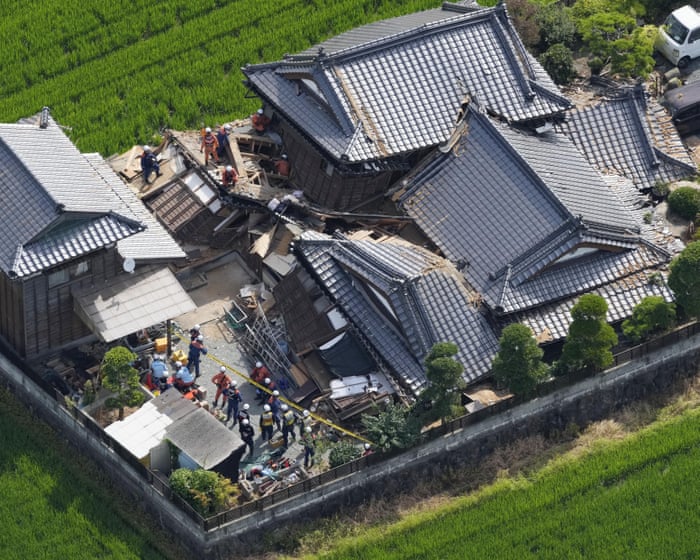
Un vigile del fuoco volontario, Tomohide Nagata, ha dichiarato al Kumamoto Nichinichi Shimbun: "Ho sentito una voce provenire dalla casa crollata e ho visto una mano. Uno dei nostri membri più anziani si è infilato dentro e lo ha tirato fuori. Sanguinava dalla testa, ma sono così felice che sia sopravvissuto."
Nagata ha sentito il rumore provenire da una casa completamente distrutta nella cittadina rurale di Hikawa, vicino all'epicentro del terremoto di magnitudo 6.8 di martedì nel sud del Giappone. La città è stata una delle aree più colpite, con molte case vecchie crollate. Temendo le continue scosse di assestamento, molti residenti hanno passato la notte di martedì a dormire nelle loro auto fuori dal municipio di Hikawa, dove il personale ha distribuito cibo e bevande.
Almeno 13 persone sono morte e centinaia sono rimaste ferite quando il terremoto ha colpito l'isola di Kyushu. La prima ministra Sanae Takaichi ha dichiarato mercoledì: "Ci sono ancora persone in attesa di essere salvate, ed è una corsa contro il tempo. Faremo tutto il possibile per trovare e salvare quante più persone possibile."
Secondo il Mainichi Shimbun, Iwaoka Shigemi, 79 anni, e sua moglie Michiyo, 77 anni, sono scappati dalla loro casa e hanno passato la notte dormendo nella loro auto a Hikawa. Con temperature previste fino a 35°C mercoledì, ora temevano il rischio di colpi di calore.
Suemi Nagata, 79 anni, non ha potuto lasciare Hikawa in auto perché il suo garage era distrutto, ma è riuscita ad arrivare al municipio con suo marito e la sorella maggiore. "La scossa laterale è stata peggiore del terremoto di Kumamoto di 10 anni fa, ed è stato terrificante," ha detto al giornale locale. "Sopravvivere con la mia vita è qualcosa per cui essere grata."
Ad aprile, la prefettura di Kumamoto ha segnato il decimo anniversario del terremoto del 2016, che ha ucciso oltre 275 persone e causato distruzioni diffuse. In quel caso, una scossa premonitrice di magnitudo 6.2 è stata seguita due giorni dopo da un mortale terremoto di magnitudo 7—qualcosa che sarà nella mente di decine di migliaia di persone in tutta Kumamoto nella prossima settimana.
Al centro commerciale Kumamoto Aeon, gravemente danneggiato da quella che si ritiene essere un'esplosione di gas innescata dal terremoto, diversi dipendenti sono rientrati dopo aver evacuato i clienti e sono rimasti coinvolti nell'esplosione.
Una ragazza di 16 anni che è scappata con altri acquirenti poco prima dell'esplosione ha detto all'Asahi Shimbun di "essersi sentita completamente al sicuro una volta fuori," solo per avere difficoltà a respirare a causa della polvere e del fumo.
Un uomo di 74 anni che faceva spesso acquisti al centro commerciale ha detto al giornale Nikkei di aver appena saputo che un conoscente che lavorava lì era rimasto ferito. "Avrei potuto essere coinvolto io stesso," ha detto.
Inizialmente, fino a 30 dipendenti sono stati segnalati come intrappolati all'interno, e quattro risultano ancora dispersi.
Nella vicina città di Uki, che ha anche sperimentato scosse al massimo livello 7 sulla scala sismica giapponese shindo, i residenti hanno condiviso storie di fughe fortunate e di sforzi di salvataggio falliti che spezzano il cuore.
Una donna sulla quarantina è riuscita a raggiungere un rifugio di evacuazione con tre generazioni della sua famiglia dopo essersi messa tra i mobili che cadevano e i suoi figli. "Ero schiacciata sotto un cassettone a casa. Ho protetto i miei figli e poi mi sono affrettata a evacuare," ha detto al Kumamoto Nichinichi Shimbun dalla scuola elementare Toyono, che veniva usata come rifugio di evacuazione dopo che il soffitto della struttura locale per disastri era crollato.
Martedì sera, mentre vicini e parenti cercavano di controllarsi a vicenda, i residenti nel distretto di Asakawa a Uki hanno trovato una casa completamente distrutta, con tegole del tetto sparse sul terreno dove un tempo sorgeva. Mentre i familiari guardavano... Più tardi, alcuni vigili del fuoco volontari hanno cercato di salvare un uomo anziano che era intrappolato all'interno.
"Quell'uomo è un mio amico d'infanzia," ha detto il capo del distretto locale, visibilmente scosso, 70 anni, al giornale di Kumamoto. "Abbiamo cercato di tirarlo fuori, ma le scosse di assestamento continuavano ad arrivare, quindi non abbiamo avuto altra scelta che arrenderci."
Come a Hikawa, molti residenti di Uki hanno dormito nelle loro auto, e gli impiegati del governo locale hanno distribuito acqua e cibo. Poiché la struttura per disastri danneggiata non poteva essere usata, la città ha allestito un quartier generale temporaneo di risposta in un parcheggio.
A Yatsushiro, a sud di Hikawa, la vita di un uomo potrebbe essere stata salvata dal suo programma quando il suo posto di lavoro—un edificio di legno a un piano—è crollato. "Era il mio giorno libero, e non ero al lavoro, quindi sono sopravvissuto," ha detto l'uomo di 63 anni, lavoratore autonomo, che ha passato la notte in una tenda allestita nel suo giardino. "Ma non ho idea di cosa farò a partire da domani."
Domande Frequenti
Ecco un elenco di domande frequenti sulle storie di sopravvivenza e perdita emerse dopo il terremoto in Giappone basate sulla frase "La scossa era terrificante"
Domande di Livello Base
D Cosa significa "la scossa era terrificante" in queste storie
R È una citazione diretta dei sopravvissuti che descrivono il movimento violento e incontrollabile del terreno durante il terremoto. Evidenzia l'intensa paura e il panico provati dalle persone in quel momento.
D Che tipo di storie stanno emergendo dopo il terremoto
R Due tipi principali: storie di sopravvivenza e storie di perdita.
D Perché è importante condividere queste storie
R Aiutano il mondo a comprendere l'impatto umano reale del disastro oltre ai semplici numeri. Preservano anche la storia e possono insegnare ad altri come prepararsi o reagire in emergenze simili.
D Come hanno descritto le persone l'esperienza del terremoto
R Molti hanno detto che sembrava che il terreno rotolasse come onde o tremasse come una lavatrice. Il rumore è stato descritto come un ruggito profondo e la scossa rendeva impossibile stare in piedi o camminare.
D Sono sopravvissuti tutti
R No. Purtroppo molte persone hanno perso la vita. Le storie includono anche resoconti di famiglie che cercano i loro cari scomparsi e piangono coloro che non ce l'hanno fatta.
Domande di Livello Intermedio
D Quali sono le storie di sopravvivenza comuni di questo terremoto
R Quelle comuni includono persone che si rannicchiano sotto tavoli robusti, famiglie che scappano attraverso finestre rotte e vicini che scavano tra le macerie a mani nude per raggiungere persone intrappolate. Alcuni sono sopravvissuti correndo su un terreno più alto prima che uno tsunami colpisse.
D Quali sono le storie di perdita più strazianti
R Storie di genitori che perdono figli, anziani parenti intrappolati in case crollate e interi quartieri spazzati via dallo tsunami. Alcuni sopravvissuti parlano di aver perso tutto ciò che possedevano in pochi secondi.
D Come ha influenzato il terremoto la salute mentale delle persone
R Molti sopravvissuti descrivono ansia continua, incubi e paura delle scosse di assestamento. Il ricordo della scossa innesca attacchi di panico. Il lutto e il senso di colpa del sopravvissuto sono anche molto comuni.
D Quali consigli pratici danno i sopravvissuti per futuri terremoti