Lewis Bassett is a young sociologist and chef I first came across through his podcast, The Full English, where he explores the cultural meaning behind things like Delia Smith, gazpacho, and whelks. It’s the kind of thinking you didn’t realize you needed until you heard it. Now he’s written a book with the same name, asking: why do we eat the way we do in Britain, and why do we think the way we do, even about foods we wouldn’t touch?
About 57% of all food eaten in Britain is ultra-processed. That statistic feels familiar from years of worrying about it, but it becomes strikingly strange when you compare it to the rest of Europe. In France, it’s 14%, and Italy is also in the teens. It’s amazing they don’t all live to 150. While this clearly stems from inequality, there’s also a big dose of attitude involved. Bassett digs into that by tracing the history of sourdough, curry, and olive oil, and by describing his own experience cooking in fancy kitchens and gastropubs.
View image in fullscreen
Lewis Bassett … pondering the cultural meaning of whelks. Photograph: Lewis Bassett
Basically, we think posh food is pretentious, but what counts as “posh” keeps changing, partly because of how expensive it gets. Eventually, even food that wasn’t posh before—like fish and chips—becomes posh, and therefore pretentious (also smaller portions: the ultimate sitcom sign of despised posh food). I’m riffing here, of course, and you should read The Full English for the core of Bassett’s argument, but it’s fascinating to see how any ingredient carries political and personal meaning.
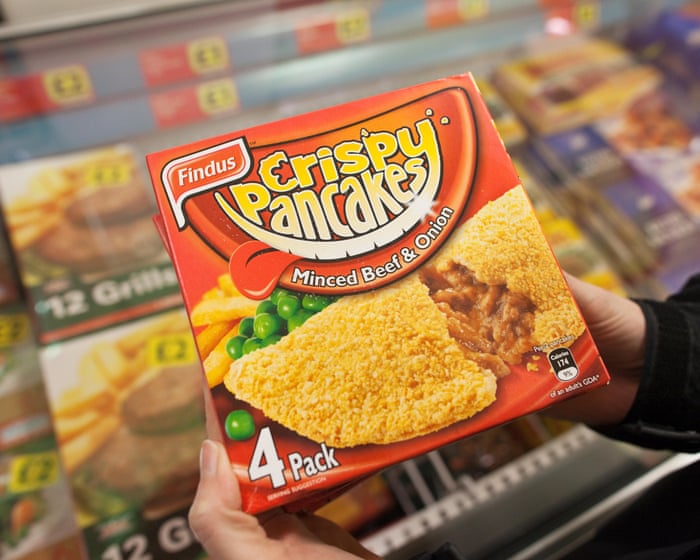
There are so many foods—chickpeas, Findus crispy pancakes, tomatoes, Turkey Twizzlers—that have had their moment as the thing some people hate others for eating. It’s all shorthand for a low-level class war, fought through food. And it ramps up to a thousand when parents get involved.
Bassett has a lovely, curious, non-judgmental way of thinking, and he concludes that “ours is a peculiar diet formed by a peculiar experience of modernity.” Still, you can’t help but think that if we let go of some of the political and emotional baggage around food, we’d end up eating things that taste better. I don’t mean Findus crispy pancakes—I know they’re ultra-processed. But they were delicious, though.
Zoe Williams is a Guardian columnist.
Do you have an opinion on the issues raised in this article? If you’d like to submit a response of up to 300 words by email to be considered for publication in our letters section, please click here.
Frequently Asked Questions
Here is a list of FAQs based on the topic ranging from basic understanding to deeper social commentary
BeginnerLevel Questions
1 What does it mean when people say food is a battleground for class warfare
It means that the food we eat is often used as a status symbol Rich people use expensive organic or artisanal foods to show they are better than others while poorer people are judged for eating cheap fast or processed food It turns eating from a basic need into a competition or a way to look down on others
2 Why would this kill someones appetite
When you are constantly judged for what you eator made to feel guilty for not affording better foodeating becomes stressful Instead of being a pleasurable experience mealtimes become a source of anxiety shame or anger which naturally suppresses your hunger
3 Is this just about money
Not just about money but its a huge part of it Its also about access knowledge and time The class warfare part is how we use these differences to judge peoples character
4 What is food shaming
Food shaming is when you criticize someone for what they are eating For example telling a person that their lunch is unhealthy or gross because its from a dollar menu It is a way of asserting social superiority over someone
5 Isnt it just about being healthy
The goal is health but the discussion is often about status When people post photos of their 20 kale salad and caption it clean eating they are often signaling wealth and discipline not just sharing a recipe It makes a simple meal a moral judgment
Advanced Nuanced Questions
6 How did food become a status symbol in the first place
Historically only the rich could afford sugar spices or white bread Today the tables have turned the rich now buy the whole grain organic and fermented foods while the poor are stuck with the processed highsugar foods that were once considered luxury items Its a reverse status symbolthe more effort and money it takes to eat simply