Shortly after being named Time magazine’s Person of the Year in 1999, Jeff Bezos told me: “They weren’t really choosing me as much as they were choosing the internet, with me as its symbol.” A quarter of a century later—a period that has grown increasingly grim—the Amazon founder now symbolizes something else: how the ultra-wealthy can strangle the news.
Job cuts in an industry that has been financially struggling since the internet dismantled its business model are nothing new. Yet last week’s brutal layoffs of hundreds of journalists at the Bezos-owned Washington Post hit a new low. The redundancies were announced to staff on a video call, and half the foreign bureau was axed—including the war reporter in Ukraine. Not since P&O Ferries have layoffs been handled so poorly. Former Post stalwart Paul Farhi called it “the biggest one-day wipeout of journalists in a generation,” affecting nearly half of the 790-person newsroom.
The reasons remain baffling, at least to anyone not inside the mind of one of the world’s richest men. The Post’s former editor, Marty Baron, pointed to the owner’s “sickening” efforts to curry favor with Donald Trump, calling it a “case study in near-instant, self-inflicted brand destruction.” Slate magazine, owned by the Graham family (the Post’s previous owners), accused Bezos of “accelerating the [Post’s] decline on purpose” due to “external economic interests” like Amazon and his space venture, Blue Origin. Perhaps he agreed to deep cuts simply to show he was in charge, or just because he could. In any case, his ownership of the Washington Post proves once again, if proof were needed, that owning a newspaper isn’t about money—it’s about power and influence. In other words, it’s about politics.
With a $266 billion fortune, Bezos doesn’t need the income a newspaper might generate; the interest he earns makes the Post’s $100 million annual losses look like pocket change. When he bought the paper in 2013 during the Obama era, he spent lavishly on reporter bonuses, used a private jet to retrieve journalist Jason Rezaian from an Iranian prison, and flew to Istanbul to speak about murdered columnist Jamal Khashoggi. Then came the Trump era. Trump made no secret of his disdain for a paper known for exposing corrupt presidents, and Amazon lost a $10 billion government computing contract. A resulting lawsuit blamed “improper pressure from President Donald J. Trump … to harm his perceived political enemy—Jeffrey P. Bezos.” (The U.S. Department of Defense defended its selection process, denying any external influence.) Trump’s ability to flood the zone using social media run by himself or his big-tech allies has made him even more dangerous in his political comeback.
Last week’s news capped years of turmoil at the Post, notably since Bezos blocked its planned endorsement of Kamala Harris, Trump’s Democratic rival, arguing that endorsements breed distrust. He also pushed for a more free-market-friendly stance on its opinion pages. Within days, nearly 250,000 subscribers abandoned the paper.
All this suggests that ultra-wealthy owners in the news industry cannot be trusted to prioritize the public good over private interests. Or, as award-winning editor Tina Brown said of the Post debacle: “The purpose of having ‘fuck-you money’ is to say ‘fuck you,’ but it seems the purpose of ‘fuck-you money’ is to have more ‘fuck-you money.'” And if the pesky newspaper that burnishes your reputation starts to threaten your ability to make that money? Kill it—or at least let it fade into managed irrelevance.
So what are the alternatives? There has been no shortageAmong those concerned about the future of journalism, a number of ideas are circulating. One I particularly like is the notion that Jeff Bezos’s ex-wife, MacKenzie Scott, could team up with other former spouses of tech billionaires—such as Melinda French Gates—and use their divorce settlements to support the Post, rather than directing those funds toward their other philanthropic efforts.
A better idea, though perhaps just as improbable, would be for Bezos to establish legal structures that protect editorial independence. The strongest guarantees come from trust-based ownership models, like the one that safeguards the Guardian. He could set aside a tiny slice of his vast fortune into a trust and then step away entirely.
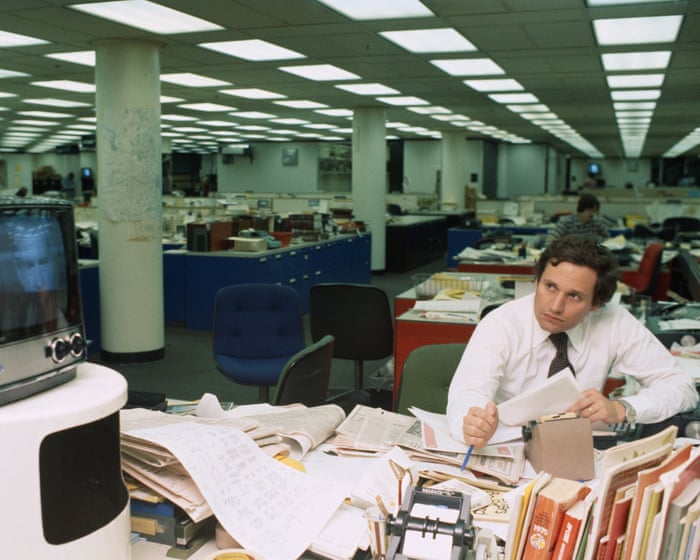
The most likely outcome, however, is the most disheartening for anyone who values a free press. The Post will probably do less and less of the exceptional journalism that has earned it Pulitzer prizes, until eventually its legacy as the paper that broke Watergate fades from public memory.
The crisis at the Washington Post represents a turning point in this new age of disillusionment—a time when the early excitement about the web has given way to regret and confusion over how much we lose by letting the wealthy and powerful dismantle the very parts of society that help it thrive.
Frequently Asked Questions
FAQs Media Ownership Jeff Bezos and The Washington Post
BeginnerLevel Questions
1 What does the quote when hypercapitalists are in charge your news is not safe mean
It means that when a news organization is owned by an individual or entity whose primary focus is extreme profit and market dominance the independence and integrity of the journalism can be at risk The concern is that news might be shaped to serve business or personal interests rather than the publics right to know
2 Who is Jane Martinson and why is her opinion on this important
Jane Martinson is a respected British journalist and media commentator Her opinion carries weight because she has extensively covered media business ethics and the intersection of money and journalism giving her insight into the pressures newsrooms face
3 Did Jeff Bezos buy The Washington Post to control the news
Jeff Bezos purchased The Washington Post in 2013 in a personal capacity not as an Amazon asset He stated his goal was to ensure the Posts survival in the digital age through investment and innovation Critics however worry that his vast commercial interests could create conflicts of interest or implicit pressure on coverage
4 Has The Washington Posts coverage changed since Bezos bought it
The Post has significantly expanded its digital reach technology and reporting staff under Bezoss ownership breaking major stories Supporters point to its continued aggressive political reporting Skeptics note a more probusiness editorial stance on some issues and occasional tonal shifts though direct editorial interference by Bezos is not publicly documented
5 Whats a hypercapitalist
A hypercapitalist is an informal term for someone who aggressively pursues capitalist principles to an extreme degree prioritizing market expansion monopoly power shareholder value and efficiency above all else often with significant societal influence
AdvancedLevel Questions
6 Whats the difference between traditional media moguls and a tech hypercapitalist like Bezos
Traditional moguls often bought media for explicit political or ideological influence Tech hypercapitalists like Bezos may be primarily motivated by the