یک اندیشکده آب سازمان ملل متحد دریافته است که مواد معدنی حیاتی مانند لیتیوم، کبالت و نیکل در حال تبدیل شدن به «نفت قرن بیست و یکم» هستند، زیرا هجوم برای به دست آوردن این فلزات گرانبها، فقر را در برخی از آسیبپذیرترین جوامع جهان تشدید کرده و بحرانهای بهداشت عمومی ایجاد میکند.
تحقیقات مؤسسه آب، محیط زیست و سلامت دانشگاه سازمان ملل متحد (UNU-INWEH) به این نتیجه رسید که تقاضای رو به رشد برای لیتیوم، کبالت و نیکل—که در باتریها و ریزتراشهها استفاده میشوند—منابع آب را تخلیه میکند، به کشاورزی آسیب میزند و جوامع را در معرض فلزات سنگین سمی قرار میدهد.
محققان دریافتند که در سال ۲۰۲۴، حدود ۴۵۶ میلیارد لیتر آب برای استخراج ۲۴۰ هزار تن لیتیوم استفاده شده است. با این حال، بخش بسیار کمی از مزایای مالی یا پیشرفتهای فناوری ناشی از گذار انرژی سبز یا رونق هوش مصنوعی به جوامع آسیبدیده رسیده است.
کاوه مدنی، مدیر UNU-INWEH و برنده جایزه آب استکهلم ۲۰۲۶، گفت: «مواد معدنی حیاتی به سرعت در حال تبدیل شدن به نفت قرن بیست و یکم هستند. آنچه را که به عنوان راه حلی برای پایداری میفروشیم، فعالانه به مردم در جای دیگری از جهان آسیب میزند. پس چگونه میتوانیم این گذار را سبز یا پاک بنامیم؟»
بر اساس آژانس بینالمللی انرژی (IEA)، تقاضا برای مواد معدنی کلیدی انرژی در سالهای اخیر به شدت رشد کرده است، به طوری که تقاضا برای لیتیوم در سال ۲۰۲۴ نزدیک به ۳۰ درصد افزایش یافته است. تولید عناصر نادر خاکی بین سالهای ۲۰۱۰ و ۲۰۲۳ تقریباً سه برابر شده است که ناشی از تقاضای رو به رشد برای خودروهای الکتریکی (EVs) و تراشههای رایانهای قدرتمند است.
این گزارش نشان داد که در حالی که خودروهای الکتریکی ممکن است انتشار گازهای گلخانهای را برای مصرفکنندگان در آمریکای شمالی و اروپا کاهش دهند، هزینههای زیستمحیطی و بهداشتی بر دوش جوامع دوردست در مناطق معدنی آفریقا و آمریکای لاتین است.
حدود ۷۰۰ میلیون تن زباله—به اندازهای که ۵۹ میلیون کامیون زباله را پر کند—در سال ۲۰۲۴ توسط تولید جهانی عناصر نادر خاکی تولید شد. آفریقا که حدود ۳۰ درصد از ذخایر مواد معدنی حیاتی جهان را در خود جای داده است، به شدت تحت تأثیر پیامدهای زیستمحیطی قرار دارد.
نویسندگان میگویند در جمهوری دموکراتیک کنگو، یکی از بزرگترین تولیدکنندگان کبالت در جهان، استخراج باعث آلودگی گسترده رودخانههایی شده است که برای آشامیدن، ماهیگیری و آبیاری در کمربند معدنی جنوب شرقی استان لوالابا استفاده میشوند.
بر اساس این گزارش، حدود ۶۴ درصد از مردم این کشور در سال ۲۰۲۴ به آب آشامیدنی اولیه دسترسی نداشتند، در حالی که ۷۲ درصد از ساکنان نزدیک سایتهای معدنی از بیماریهای پوستی و ۵۶ درصد از زنان و دختران از مشکلات زنان و زایمان گزارش دادند.
آبراهام نونبوگو، محقق UNU-INWEH و نویسنده اصلی این گزارش، گفت: «برخی از جوامع با مشکل دست و پنجه نرم میکنند و بیش از یک مایل برای جمعآوری آب پیاده روی میکنند، در حالی که برخی دیگر مجبور به ترک خانههای خود برای مناطق شهری میشوند و آنها را بیشتر به فقر میکشاند.»
استخراج لیتیوم اغلب به مقادیر زیادی آب نیاز دارد که از نمکزارهای زیرزمینی پمپاژ و تبخیر شود، در حالی که فرآوری شیمیایی سایر مواد معدنی حیاتی میتواند رودخانهها و مخازن زیرزمینی را آلوده کند.
مثلث لیتیوم آمریکای لاتین—نمکزارهای مرتفعی که در سراسر آرژانتین، بولیوی و شیلی امتداد دارند—برخی از بزرگترین ذخایر این فلز در جهان را در خود جای داده است. اینها همچنین برخی از خشکترین اکوسیستمهای جهان هستند.
در منطقه اویونی بولیوی، برخی از جوامع دیگر نمیتوانند به طور قابل اعتماد کینوا (نوعی غله) پرورش دهند. در نمکزارهای آتاکامای شیلی، جایی که استخراج لیتیوم و سایر معادن تا ۶۵ درصد از مصرف آب منطقه را تشکیل میدهد، تالابها در حال خشک شدن هستند.
خوزه آیلوین، هماهنگکننده پروژه لیتیوم و حقوق بشر در ABC—یک طرح تحقیقاتی فرامرزی که تأثیرات اجتماعی و زیستمحیطی استخراج لیتیوم در آرژانتین، بولیوی و شیلی را ردیابی میکند—گفت: «استخراج آب نمک از نمکزارها و تشدید کمبود آب در حالی رخ میدهد که این منطقه در حال حاضر یکی از خشکترین اکوسیستمهای روی زمین بود.»
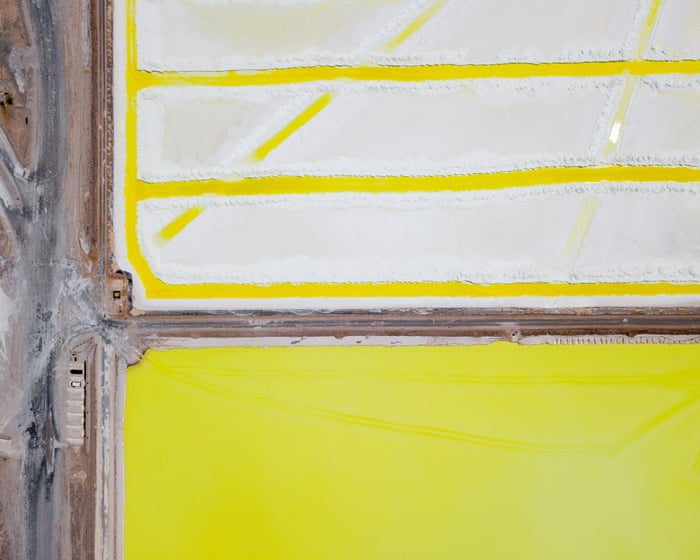
تصویر در اندازه کامل: آب نمک لیتیوم در معدنی در صحرای آتاکامای شیلی، جایی که مقادیر زیادی آب زیرزمینی از زیر زمین پمپاژ و در منطقهای بسیار خشک تبخیر میشود. عکس: Anadolu/Getty
«همانطور که گزارش تأکید میکند، نیاز فوری به حرکت از انطباق داوطلبانه به استانداردهای الزامی بینالمللی و داخلی برای انجام وظایف احتیاطی وجود دارد.»
محققان سازمان ملل هشدار میدهند که انتظار میرود این آسیب بدتر شود، زیرا تولید لیتیوم باید تا سال ۲۰۴۰ نه برابر شود—IEA هشت برابر تخمین میزند—در حالی که استخراج کبالت و نیکل برای دستیابی به اهداف اقلیمی باید دو برابر شود.
نویسندگان میگویند برای تنظیم این صنایع، استانداردهای جهانی الزامآور قانونی در مورد تأمین مواد معدنی، کنترلهای سختتر بر زبالههای سمی و آلودگی آب، و نظارت مستقل بر مصرف آب و آلودگی فلزات سنگین مورد نیاز است.
تصویر در اندازه کامل: ساکنی از جزیره اوبی در مالوکوی شمالی، اندونزی، در استخری که زمانی منبع آب تمیز برای روستاییان بود تا زمانی که زبالههای معدن نیکل آن را آلوده کرد. عکس: AF Pramadhani/Guardian
بدون یک بازنگری اساسی، گذار سبز خطر تکرار الگوهای استخراج سوخت فسیلی را دارد—ثروتمند کردن کشورهای ثروتمندتر در حالی که جوامع فقیرتر هزینه آن را متحمل میشوند.
«دبی آمریکای جنوبی»: چگونه وعده ثروت از استخراج لیتیوم در بولیوی به خاک تبدیل شد
بیشتر بخوانید
مدنی گفت: «ما فکر میکردیم انقلابهای صنعتی پیشرفت هستند، و اکنون آسیبهایی را که ایجاد کردند درک میکنیم. بنابراین ما انقلاب دیگری را برای رفع آن راه اندازی میکنیم. اما بار دیگر، این بار بر دوش فقیرترین افراد میافتد. ما فقط آن را از خاورمیانه به آفریقا و آمریکای لاتین منتقل میکنیم.»
در حالی که این گزارش تصویری تیره از هزینههای زیستمحیطی رونق استخراج عناصر نادر خاکی ترسیم میکند، تیا ریوفرانکوس، دانشمند علوم سیاسی در کالج پراویدنس رود آیلند که به مطالعه استخراج و گذار انرژی میپردازد، گفت که برخی از جوامع و دولتها در حال مقاومت هستند.
اعتراضات در آرژانتین و شیلی پروژههای لیتیوم در نمکزارها را به چالش کشیده است، در حالی که اندونزی صادرات مواد خام، از جمله سنگ معدن نیکل را ممنوع کرده است.
او گفت: «ما در دو دهه گذشته شاهد اعتراضات ضد معدنی بودهایم که در سراسر جهان مکرر و ستیزهجویانهتر شدهاند. جوامع دولتها را مجبور میکنند تا به هزینههای استخراج توجه بیشتری کنند.»
**سوالات متداول**
در اینجا لیستی از سوالات متداول در مورد مواد معدنی حیاتی که نفت قرن بیست و یکم نامیده میشوند، شامل تعاریف، مشکلات و زمینه عملی ارائه شده است.
**سوالات سطح مبتدی**
۱. مواد معدنی حیاتی دقیقاً چیستند؟
آنها فلزات و مواد معدنی هستند که برای فناوریهای مدرن مانند گوشیهای هوشمند، باتریهای خودروهای الکتریکی، پنلهای خورشیدی و تجهیزات نظامی ضروری هستند. نمونهها شامل لیتیوم، کبالت، گرافیت و عناصر نادر خاکی میشوند.
۲. چرا آنها را نفت جدید مینامند؟
مانند نفت در قرن بیستم، این مواد معدنی اکنون ستون فقرات اقتصادهای جهانی و انرژی پاک هستند. کشورهایی که عرضه آنها را کنترل میکنند، قدرت اقتصادی و سیاسی عظیمی خواهند داشت، درست همانطور که کشورهای نفتخیز داشتند.
۳. چگونه افزایش تقاضا برای این مواد معدنی باعث فقر میشود؟
استخراج معادن اغلب در کشورهای فقیر در حال توسعه با قوانین ضعیف انجام میشود. جوامع محلی ممکن است آواره شوند، زمینهای کشاورزی خود را از دست بدهند یا برای کارهای خطرناک دستمزدهای پایین دریافت کنند، در حالی که سود به شرکتهای خارجی یا مقامات فاسد میرسد.
۴. چگونه استخراج این مواد معدنی باعث آلودگی میشود؟
استخراج آنها اغلب شامل مواد شیمیایی سمی، مصرف عظیم آب و معدنکاری روباز است که جنگلها را تخریب میکند. این میتواند رودخانهها و خاک را برای دههها مسموم کند و به مردم محلی و حیات وحش آسیب برساند.
۵. کدام کشورها بیشتر تحت تأثیر این مشکل هستند؟
جمهوری دموکراتیک کنگو، شیلی و بولیوی، اندونزی و بخشهایی از چین و میانمار برخی از آسیبپذیرترین مکانها هستند.
**سوالات سطح متوسط تا پیشرفته**
۶. آیا استخراج معادن برای انرژی پاک بهتر از سوزاندن نفت نیست؟ آیا به محیط زیست کمک نمیکند؟
در تئوری بله—خودروهای الکتریکی و پنلهای خورشیدی انتشار کربن را کاهش میدهند. اما استخراج معادن خود هزینههای زیستمحیطی و انسانی عظیمی دارد. بنابراین این یک معاوضه است: ما یک مشکل را حل میکنیم در حالی که مشکلات دیگری ایجاد میکنیم.
۷. چه نقضهای خاص حقوق بشری به این مواد معدنی مرتبط است؟
در جمهوری دموکراتیک کنگو، معادن کبالت صنعتگری به استفاده از کار کودکان و شرایط ناایمن معروف هستند. در اندونزی، استخراج نیکل منجر به تصاحب زمین و مرگهای ناشی از رانش زمین شده است. در بسیاری از مکانها، معدنچیان با بیماری ریوی ناشی از گرد و غبار و مسمومیت با فلزات سنگین مواجه هستند.
۸. نفرین منابع چیست و آیا در اینجا صدق میکند؟
بله. نفرین منابع به این معنی است که کشورهای غنی از منابع ارزشمند اغلب فقر، فساد و درگیری بیشتری دارند. به جای ثروت،