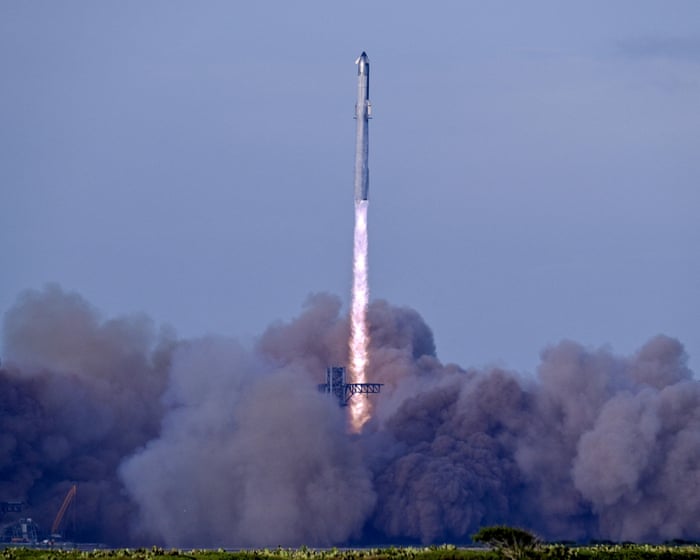
دوران ما—که مارک کارنی آن را زمان «گسست جهانی» نامید—اغلب به عنوان پیروی از «قانون جنگل» توصیف میشود، جایی که قدرتمندان هر چه میتوانند انجام میدهند و ضعیفان هر چه باید تحمل میکنند. به نظر میرسد حقوق بینالملل درهم شکسته و سازمانهای چندجانبه توخالی شدهاند. حمله روسیه به اوکراین، یورش اسرائیل به غزه، و حملات آمریکا و اسرائیل به ایران و لبنان به نظر میرسد این دیدگاه تیره را تأیید میکنند. اما اگر دقیقتر نگاه کنید، این جنگها در واقع سرنخ متفاوت و بسیار روشنتری درباره مسیر پیش رو ارائه میدهند.
روسیه، که زمانی به عنوان یک قدرت نظامی formidable دیده میشد، انتظار میرفت به راحتی اوکراین—کشوری بسیار کوچکتر و ضعیفتر که توسط غربی تقسیمشده، ترسان و مردد پشتیبانی میشد—را درهم بشکند. حتی پس از آنکه جنگ به یک بنبست طولانی کشیده شد، باور عمومی این بود که اوکراین محکوم به شکست است. اما داستان تغییر کرده است.
بله، روسیه حقوق بینالملل را زیر پا گذاشته و همچنان طرف قویتر، هم از نظر نظامی و هم از نظر جمعیت، باقی مانده است. بله، آمریکای دونالد ترامپ به اوکراین خیانت کرده، و در حالی که حمایت اروپا قوی و پیوسته بوده، هنوز کافی نیست. با این حال، اوکراین سرپا ایستاده است.
در خاورمیانه، آمریکا و اسرائیل دو بار به ایران حمله کردند، باز هم در نقض آشکار حقوق بینالملل. رهبران اروپایی، که در ابتدا به طرز شرمآوری درباره قانونی بودن آن مبهم بودند، در نهایت به این امر اعتراف کردند. هرگز تردیدی درباره اینکه قدرت در دست چه کسی بود وجود نداشت: آمریکا، ابرقدرت نظامی اصلی جهان، در کنار اسرائیل که سعی داشت خود را به عنوان هژمون منطقهای تثبیت کند، به ایران—کشوری که با اعتراضات داخلی و موجی بیسابقه از سرکوب تضعیف شده بود—حمله کردند. بنیامین نتانیاهو ترامپ را متقاعد کرد که یک فشار نهایی جمهوری اسلامی را مانند خانهای از کارت فرو خواهد ریخت.
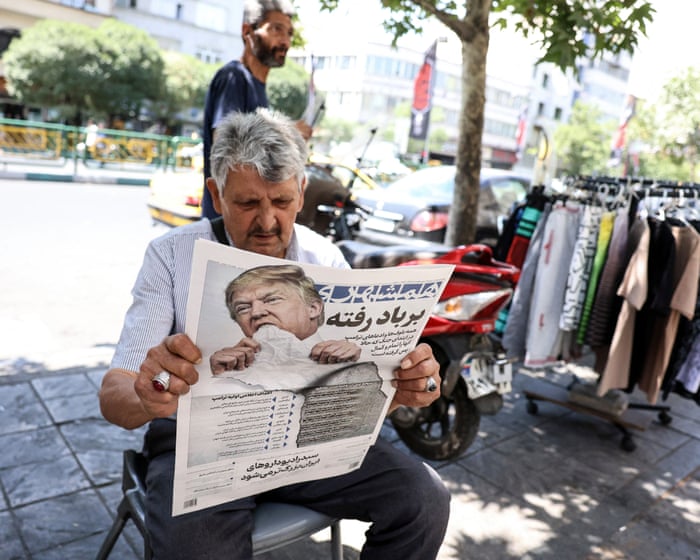
چهار ماه بعد، آمریکا و همان رژیم ایران—که اکنون جوانتر، نظامیگرتر و تندروتر شده است—بر سر یک یادداشت تفاهم (MoU) توافق کردند که تنگه هرمز را دوباره باز کرد. این یادداشت تفاهم عملاً کنترل ایران بر تنگه را به رسمیت میشناسد، انتظار میرود داراییهای مسدود شده ایران دوباره جریان یابد، و به طور موقت تحریمهای نفتی را با از سرگیری مذاکرات هستهای لغو میکند. این بهترین توافقی بود که ترامپ میتوانست به دست آورد، اما برای آمریکا یا اسرائیل توافق خوبی نبود—و انتقادها در هر دو کشور در حال افزایش است. با این حال، این امر تصریح ضمنی در یادداشت تفاهم را تغییر نمیدهد که قویترین طرف پیروز نشد.
این دو جنگ هر دو نقض جدی حقوق بینالملل هستند و نشان میدهند که حتی آنهایی که در بالای زنجیره غذایی هستند نیز میتوانند شکست بخورند.
آیا اروپا—که در کنار کییف و حقوق بینالملل ایستاده است در حالی که به طور ریاکارانه با رها کردن آن در خاورمیانه معاشقه میکند—از این لحظه برای تأیید مجدد تعهد خود به هنجارهای بینالمللی استفاده خواهد کرد؟ دو نشانه دلگرمکننده وجود دارد.
ائتلافی از حدود ۴۰ کشور، به رهبری فرانسه و بریتانیا، یک گروه ضربت را برای اعزام به تنگه هرمز تشکیل داده است تا مینروبی کند و آبراه را برای کشتیرانی ایمن سازد. این ابتکار تمایل اروپا را برای ایفای نقشی فعال و سازنده نشان میدهد. این کار غرایز چندجانبهگرایانه اروپا را با درگیر کردن گروهی گسترده از کشورهایی که مستقیماً در جنگ دخیل نیستند، احیا میکند. همچنین روشن میکند که هر استقرار بر اساس حقوق بینالملل و با هماهنگی همه کشورهای ساحلی، از جمله ایران، خواهد بود.
این عملیات احتمالاً انجام نخواهد شد. بسیار شبیه به «ائتلاف داوطلبان» برای استقرار یک نیروی اطمینانبخش در اوکراین پس از آتشبس، ائتلاف فرضی هرمز عمدتاً درباره مدیریت آمریکا است—این سیگنالی به واشنگتن است که اگرچه دولتهای اروپایی حاضر به جنگیدن در جنگ نبودند، آماده کمک به تأمین صلح هستند. اما ترامپ روشن کرده که به پیشنهادهای اروپا علاقهای ندارد، همانطور که در نشست گروه ۷ در اویان تکرار کرد. مهمتر از همه، ایران ایده کشتیهای جنگی اروپایی در تنگه را رد میکند. اروپاییها اعتراف میکنند که بدون رضایت تهران، هیچ عملیاتی انجام نخواهد شد.
یک ابتکار دوم اروپایی—که بسیار ملموستر و مفیدتر است—بیسروصدا و دور از چشمها شکل گرفته است. نروژ، که دارای اعتبار سیاسی قوی در خاورمیانه است (با محکوم کردن واضح... از همان ابتدا، کشوری مانند اسپانیا که با جنگ مخالف بود، هم اعتبار و هم تخصص در حقوق دریاها دارد. کنوانسیون سازمان ملل درباره حقوق دریاها (UNCLOS) توسط اکثر کشورها تصویب شده است، به استثنای چند کشور مانند آمریکا، اسرائیل و ایران. خبر خوب این است که حتی اگر آمریکا و ایران عضو UNCLOS نیستند، هر دو میخواهند قوانین آن را در تنگه رعایت کنند. بنابراین نروژ مشاوره حقوقی ارزشمندی به ایران، عمان و میانجیگران پاکستان و قطر ارائه کرده است، و اطمینان حاصل میکند که هرگونه ترتیبات پس از تنگه از اصل اصلی UNCLOS پیروی کند: آزادی کشتیرانی. از طریق این نوع مشارکت آرام، نرم و مبتنی بر تقاضا است که اروپاییها میتوانند اعتبار خود را بازسازی کنند و نقشی مفید در منطقه ایفا کنند.
جایی که اعتبار اروپا کاملاً از بین رفته است، در مناقشه اسرائیل و فلسطین است. درست مانند لبنان، «نگرانی» اروپا درباره اقدامات اسرائیل به سیاست واقعی تبدیل نشده است. نقض حقوق بینالملل توسط اسرائیل شدیدترین است، زیرا با هیچ پاسخگویی برای جنایات جنگی، جنایت علیه بشریت و احتمالاً نسلکشی در غزه مواجه نیست. دولتهای اروپایی نقش بزرگی در محافظت از اسرائیل در برابر تعهدات حقوقی بینالمللی خود ایفا کردهاند.
اما ممکن است سرانجام تغییر فرا برسد. تحریمهای اتحادیه اروپا علیه وزرای افراطی اسرائیل، ایتامار بن گویر و بتسلئیل اسموتریچ، رخ نخواهد داد زیرا نیاز به تأیید اتفاق آرا دارد که غیرممکن است. با این حال، این دولت اسرائیل است که باید پاسخگو باشد، نه فقط وزرای فردی. یک اقدام بسیار مهمتر—که خدمات حقوقی اتحادیه اروپا میگوید فقط به رأی اکثریت واجد شرایط نیاز دارد—میتواند ممنوعیت واردات از شهرکهای غیرقانونی اسرائیل در کرانه باختری اشغالی باشد. اکثریت کشورهای عضو در حال حاضر از این امر حمایت میکنند. برخی دیگر، مانند ایتالیا که زمانی مخالف بود، تغییر موضع احتمالی را نشان دادهاند. آلمان تنها کشور بزرگ مخالف باقی مانده است، و استدلال میکند که ممنوعیت تجارت شهرکها مانند تبعیض نازیها علیه یهودیان خواهد بود. این استدلال ظالمانه است، و نشاندهنده یک برابری نادرست بین شهرکهای غیرقانونی امروزی اسرائیل و مردم یهودی تحت آزار در آلمان دهه ۱۹۳۰ است.
خوشبختانه، فشار در حال افزایش است. نماینده عالی اتحادیه اروپا، کایا کالاس، که توسط اکثر دولتهای عضو تحت فشار قرار گرفته، به طور رسمی از کمیسیون اروپا خواسته است تا طرحی در این زمینه ارائه دهد. رئیس کمیسیون، اورزولا فون در لاین، ممکن است همچنان سعی در تأخیر یا ایجاد سردرگمی داشته باشد. اما برای همه روشن است که تجارت اتحادیه اروپا با شهرکهای غیرقانونی اسرائیل غیرقابل دفاع است. به جای جنگیدن در یک نبرد باخته و امتناع سرسختانه از اجرای حقوق بینالملل، اروپا خوب است که با پذیرش دوباره قوانین خود، به سمت درست بازگردد.
ناتالی توچی ستوننویس گاردین اروپا است.
آیا نظری درباره مسائل مطرح شده در این مقاله دارید؟ اگر مایلید پاسخی تا ۳۰۰ کلمه از طریق ایمیل برای انتشار در بخش نامههای ما ارسال کنید، لطفاً اینجا کلیک کنید.
**سوالات متداول**
در اینجا فهرستی از سوالات متداول بر اساس این جمله آورده شده است: حتی در این دوران که مارک کارنی آن را گسست جهانی مینامد، امید خود را از دست ندهید، هنوز دلیلی برای باور به حقوق بینالملل وجود دارد.
**سوالات سطح مبتدی**
۱. منظور مارک کارنی از «گسست جهانی» دقیقاً چیست؟
این اصطلاح به دورهای از فروپاشی شدید در همکاری، اعتماد و ثبات جهانی اشاره دارد. به رویدادهایی مانند همهگیری کووید-۱۹، جنگ در اوکراین، افزایش ملیگرایی و تغییرات اقلیمی فکر کنید—همه به طور همزمان رخ میدهند و نظم جهانی قدیم را متزلزل میکنند.
۲. اگر جهان در حال فروپاشی است، چرا باید هنوز به حقوق بینالملل امید داشته باشم؟
زیرا حقوق بینالملل فقط مجموعهای از قوانین نیست که شکسته شوند. بلکه یک زبان مشترک و مجموعهای از استانداردها نیز هست. حتی زمانی که کشورهای قدرتمند قوانین را زیر پا میگذارند، تقریباً همیشه احساس نیاز میکنند که اقدامات خود را با استفاده از حقوق بینالملل توجیه کنند. این نیاز به توجیه ثابت میکند که قانون همچنان مهم است.
۳. آیا میتوانید یک مثال ساده از کارکرد حقوق بینالملل در امروز ارائه دهید؟
قطعاً. واکنش جهانی به همهگیری کووید-۱۹، هرچند آشفته بود، توسط سازمان بهداشت جهانی و قوانین مربوط به اشتراکگذاری دادههای ویروس هماهنگ شد. همچنین، هر پرواز بینالمللی که انجام میدهید از قوانین سازمان بینالمللی هوانوردی کشوری پیروی میکند که سفر هوایی را در سراسر مرزها ایمن و سازگار نگه میدارد.
۴. آیا حقوق بینالملل فقط یک پیشنهاد نیست؟ کشورها هر کاری که میخواهند انجام میدهند.
این یک باور غلط رایج است. حقوق بینالملل قانون واقعی است، اما نیروی پلیس جهانی ندارد. در عوض، از طریق پیامدها—تحریمهای تجاری، انزوای دیپلماتیک، از دست دادن اعتبار و احکام دادگاههایی مانند دیوان بینالمللی دادگستری—کار میکند. شکستن آن هزینه واقعی دارد، حتی اگر همیشه فوری نباشد.
**سوالات سطح متوسط و پیشرفته**
۵. حقوق بینالملل چگونه در طول یک گسست مانند جنگ یا جنگ تجاری کمک میکند؟
این یک معیار ارائه میدهد. وقتی روسیه به اوکراین حمله کرد، جهان فقط نگفت «این بد است». به منشور سازمان ملل اشاره کرد که استفاده از زور را ممنوع میکند. این چارچوب قانونی امکان اعمال فوری تحریمها، تحریمهای تسلیحاتی و تحقیقات جنایات جنگی را فراهم کرد. قانون از حمله جلوگیری نکرد، اما واکنش را تعریف کرد و متجاوز را به یک طرد شده جهانی تبدیل کرد.
۶. در مورد تغییرات اقلیمی چطور؟ آیا این شکست بزرگی برای حقوق بینالملل نیست؟
نتیجهای مختلط است. توافق پاریس از این نظر موفقیتآمیز است که تقریباً همه کشورها را متعهد به اهداف کاهش انتشار کرده است. اما اجرای آن ضعیف است و کشورها به راحتی میتوانند از تعهدات خود عقبنشینی کنند. با این حال، این توافق یک چارچوب برای همکاری و شفافیت ایجاد کرده است که بدون آن وضعیت احتمالاً بسیار بدتر بود.