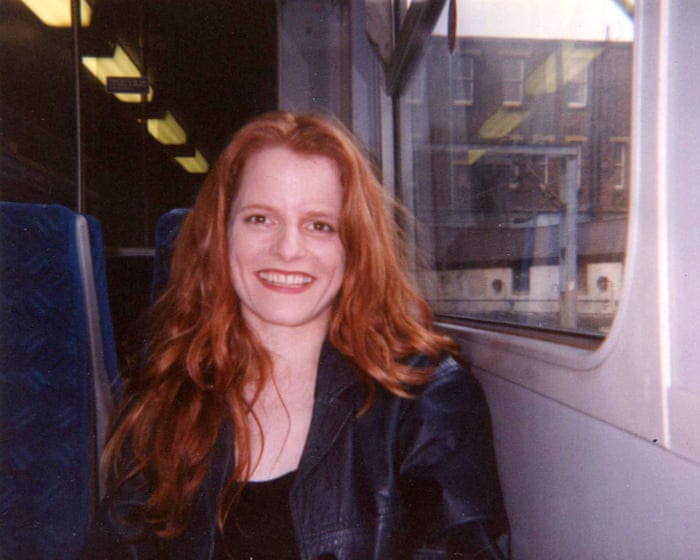
Öleceğimi düşündüğüm an, hayat daha yeni başlarken, yirmili yaşlarımın başında geldi. En iyi arkadaşım Helen ve ben, iş nedeniyle yakın zamanda oraya taşınan eski bir üniversite arkadaşımızı ziyaret etmek için York'tan Blackburn'a trenle seyahat ediyorduk. Birbirimizi göreceğimiz için heyecanlı ve eğlenceli bir hafta sonu için sabırsızlanarak durmadan sohbet ettik.
Çantalarımızı—şarap şişeleri ve yeni aldığım siyah takunyalarım gibi temel ihtiyaçlarla dolu—bagaja yerleştirip rahat bir iki kişilik bölmeye yerleştik. Yolculuğun yaklaşık 50. dakikasında, hafif bir patlama sesi duydum, ardından görmezden gelinmesi imkansız, çok daha yüksek bir ses geldi. Bir kadın çığlık attı ve vagonumuz sanki ağır çekimdeymiş gibi havaya kalktı. Aniden kendimizi Helen'la koridorda, sıkıca birbirimize tutunmuş halde bulduk. Başımı eğip gözlerimi kapayarak, vagonun filmlerdeki gibi devrilip alev almasına hazırlandım. Ailemizin ve arkadaşlarımızın haberi alacağını düşündüğümü hatırlıyorum. Sonra küçük bir kızın ağladığını duydum.
Yedi sekiz yaşlarında ve yalnız görünüyordu. Ağlaması beni şaşkınlığımdan çıkardı; işe yarama şansım gelmişti. Yanına gittim, kolumu omzuna attım ve boğuk bir sesle, "İyisin," diye fısıldadım. "Her şey bitti," diye mırıldandım, daha çok kendime. "Etrafa bakma," diye bağırdı Helen ama çok geçti. Yüzü kanlar içinde bir adam gördüm. Arkamızdaki pencereye devasa bir metal cisim girmişti. Daha sonra kontrolden çıkan bir ekskavatörün yokuştan yuvarlanıp trene çarparak raydan çıkmasına neden olduğunu öğrendik.
Vagonumuz ön ucu havada olacak şekilde yan yatmıştı. Uzaktan siren sesleri geliyordu ve bir yolcu benden küçük kızı ona vermemi istedi, böylece onu pencereden dışarı, bekleyen itfaiyecilere tahliye edilen çocukların olduğu yere iletebilecekti. Kısa süre sonra Helen ve ben de pencereden çıkıp bir merdivenle rayların üzerine indik.
Pudsey'de bir ambarın yanında, sağlam zemine ayak bastığımda, vücudum kontrol edilemez bir şekilde titremeye başladı. Küçük kızı aradım ve onu, kaza sırasında tuvalette olan annesinin kucağına aldığını gördüm. Bir itfaiyeci nazikçe takunyalarımı getirdi. Başka bir yolcu yanlışlıkla Helen'ın valizine oturdu ve valiz patladı—neyse ki şarap şişelerimiz sağlam kaldı. Yarım saat bekledikten sonra, bir genç erkek ve Helen'ın valizini kıran kadınla birlikte ücretsiz bir taksiyi paylaşarak Blackburn'a gittik. Arkadaşımız bizi endişeden solmuş bir halde bekliyordu. Trenin raydan çıktığını duymuş ve bir görevli onu haber beklerken bir çay içmek için ofisine götürmüştü.
Gençliğin yenilmezliğiyle, kazayı bir kenara bırakıp gece eğlencesine devam ettik; buna Blackburn'ün drag queen'i Clitheroe Kate'in unutulmaz bir performansı da dahildi. Olayda kimse ölmedi, ancak birkaç kişi hastaneye kaldırıldı. Helen ve ben, vagonda ileri fırlamamızın neden olduğu çürükler ve ağrılarla kurtulduk. Tren Leeds istasyonuna yaklaşırken yavaşlıyordu, bu da ciddi yaralanmaları önlemeye yardımcı oldu. Kimsenin ağır yaralanmaması, "ya şöyle olsaydı" diye düşünmemeyi kolaylaştırdı, ancak küçük kız bende kalıcı bir iz bıraktı. Onunla ilgilenmek ve sakinleştirmek, odağımı kendimden uzaklaştırmaya yardımcı oldu ve bir krizde dışarıya bakmanın değerini öğretti. Yıllar boyunca, o gün hakkında bir şey hatırlayıp hatırlamadığını ve onu ne kadar etkilediğini sık sık merak ettim.
Helen ve ben şimdi 30 yıldan fazla süredir arkadaşız ve "Pudsey", birlikte olduğumuz sürece her şeyin üstesinden gelebileceğimizin kısa ifadesi haline geldi. O gün yanımda onun olması, en kötü durumdan korunduğumu hissettirdi. Bu kaza aynı zamanda diğer türden krizlere yaklaşımımı da değiştirdi—bana perspektif kazandırdı, işler ne kadar kötü görünürse görünsün, yaşlanmanın her zaman bir ayrıcalık olduğunu hatırlattı. Anna Woodford'un Her Şey Mevcut adlı kitabı Salt Publishing tarafından yayımlandı. Guardian'ı desteklemek için kopyanızı guardianbookshop.com adresinden sipariş edin. Teslimat ücretleri uygulanabilir.
Sıkça Sorulan Sorular
Elbette İşte "Beni değiştiren bir an: trenim raydan çıktı ve sonra küçük bir kızın ağladığını duydum" kişisel anlatısı hakkında SSS listesi
Genel Başlangıç Soruları
S Bu hikaye ne hakkında?
C Bir tren kazasından sağ kurtulan birinin kişisel deneyimi hakkında bir deneme. Dönüm noktası sadece kazanın kendisi değil, ardından bir çocuğun ağlamasını duymaktı; bu, kişinin odağını kendi şokundan başkalarına yardım etmeye kaydırarak hayata bakış açısını temelden değiştirdi.
S Bu gerçek bir hikaye mi?
C Her kişisel anlatıyı doğrulayamasak da, bu, dönüştürücü bir deneyimin gerçek bir birinci şahıs anlatısı olarak sunulmaktadır.
S Küçük kızın ağlaması neden bu kadar önemli?
C Ağlama, kaosu ve anlatıcının kendi korkusunu keser. Kırılganlığı ve acil insan ihtiyacını temsil eder, anlatıcıyı şokun benmerkezci halinden çıkarıp şefkat ve eylem moduna sokar.
S Bu deneyim kişiyi nasıl değiştirdi?
C Genellikle böyle bir deneyim, önceliklerde bir değişime yol açar—insan bağını önemsiz meselelerin üzerinde değerli görmek, hayatın kırılganlığını anlamak ve bir krizdeki cesaret ve empati kapasitesini fark etmek.
Derin İleri Düzey Sorular
S Bu tür hikayelerde genellikle hangi psikolojik temalar işlenir?
C Ana temalar arasında Travma Sonrası Büyüme, kurban yardımcı zihniyetine geçiş, ölümlülüğün akut farkındalığı ve felaket sırasında paylaşılan insan deneyiminin derin etkisi yer alır.
S Anlatıcı hayatta kalma suçluluğu yaşamış olabilir mi?
C Bu çok mümkün. Hayatta kalma suçluluğu, başkalarının yaralandığı veya öldüğü travmatik olaylardan sonra yaygındır. Kıza yardım etmeye odaklanmak, bu duygularla anlamlı bir eylemde bulunarak başa çıkmanın bir yolu olabilir.
S Bu yaygın bir dönüştürücü deneyim türü mü?
C Evet. Ölümden dönme deneyimleri veya bir felaketten sağ kurtulmak, genellikle insanları hayatlarını, ilişkilerini ve amaçlarını yeniden değerlendirmeye zorlayan uyanış çağrıları veya belirleyici anlar olarak hizmet eder.
S Anlatıcının karakterinin öncesi ve sonrası nasıl olabilir?
C